Issue · Budget & Taxes

Budget & Taxes

Every budget & taxes bill, vote, and legislator stance in United States, automatically classified by Maddy, our AI policy reader.

Total bills
305
119th Congress
Top supporter
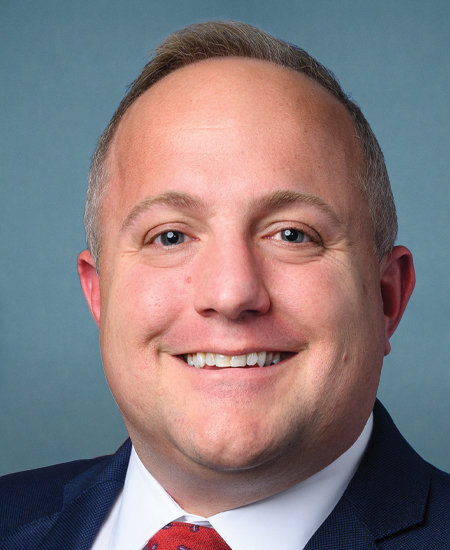
Clay Fuller
86% support rate
Top opponent
Eleanor Holmes Norton
0% support rate
Ranked legislators
10
5 support · 5 oppose
Key legislators

Who's moving budget & taxes in United States

Legislators moving budget & taxes in United States
Legislator Party Stance Support rate Votes
Clay Fuller
Clay Fuller House · District 14
R
Strong +
86% 55
Tina Smith
Tina Smith Senate
D
Strong +
83% 251
Andrew Ogles
Andrew Ogles House · District 5
R
Strong +
83% 175
Russell Fry
Russell Fry House · District 7
R
Strong +
82% 186
John Joyce
John Joyce House · District 13
R
Strong +
82% 185
Eleanor Holmes Norton
Eleanor Holmes Norton House · District At-Large
D
Strong −
0% 46
Pablo José Hernández
Pablo José Hernández House · District At-Large
D
Strong −
7% 46
George Latimer
George Latimer House · District 16
D
Strong −
14% 181
Analilia Mejia
Analilia Mejia House · District 11
D
Strong −
14% 52
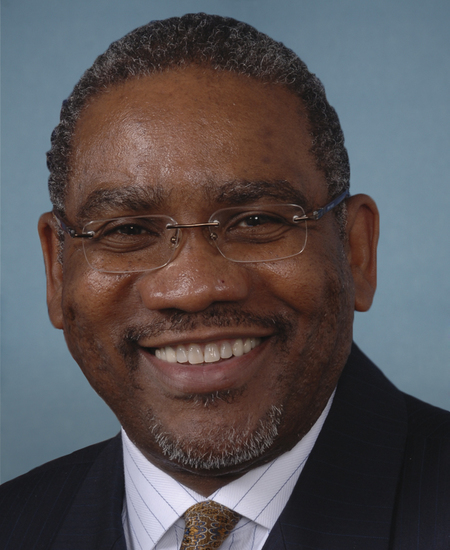
Gregory W. Meeks
Gregory W. Meeks House · District 5
D
Strong −
14% 181
Showing 41–50 of 305 bills

All budget & taxes bills

in committee · United States · House Apr 30, 2026

HR 8617: American Family Cost-of-Living Relief Act of 2026

This bill requires federal agencies to analyze how new regulations will affect household costs before they are finalized. It mandates that agencies publish an initial impact statement detailing potential cost increases, affected goods, and possible alternatives, along with a final report that addresses public comments. The law prohibits agencies from issuing final rules that raise household costs by $50 or more annually unless the rule is legally required or addresses specific emergencies like national security threats or major disasters. Additionally, the Office of Management and Budget must annually review and report on major rules that have significantly increased living expenses, while courts are given the authority to review agency compliance with these new requirements.
in committee · United States · House May 21, 2026

HR 8995: REMITTANCE Act

The REMITTANCE Act increases the excise tax on remittance transfers from 1 percent to 25 percent, with the goal of reducing the federal deficit by directing the collected funds to the Treasury's general fund. While this higher tax applies broadly, the bill creates a specific refundable tax credit for U.S. citizens who send money for business or travel purposes, allowing them to claim back the tax paid on those specific transactions. The legislation defines remittance transfers using existing standards from the Electronic Fund Transfer Act and applies these new tax rules retroactively to the date of a previous law. Ultimately, the bill aims to discourage personal money transfers while providing financial relief to individuals sending funds for work or travel.
in committee · United States · House May 20, 2026

HR 8801: DC ROADS Act

The DC ROADS Act prohibits the District of Columbia government from enacting or enforcing any congestion tolls on roads, bridges, and tunnels within the city. This legislation directly affects local officials by legally barring the Council and Mayor from implementing such fees and amends the Home Rule Act to include this restriction. The bill defines a congestion toll as any charge for entering or passing through a designated zone in the District, effectively preventing the city from using this specific revenue-raising method.
in committee · United States · House May 29, 2026

HR 9075: Tax the Grift Act

The Tax the Grift Act imposes a 100 percent tax on any money received from a specific fund created by a civil lawsuit filed by the President against the Internal Revenue Service. This tax applies to all recipients of these payments and is treated as a standard income tax rather than a special exclusion. However, the bill also prevents these payments from being counted as taxable income, effectively nullifying the tax by allowing recipients to exclude the funds from their gross income. The law takes effect for any amounts received after the bill is enacted.
Sub-Topics Income Tax
in committee · United States · House May 22, 2026

HR 9020: No U.S. Funding for UNIFIL Act

This bill prohibits the U.S. government from providing any funds to support the United Nations Interim Force in Lebanon (UNIFIL) starting October 1, 2027. It requires the United States to stop contributing money to UNIFIL when its mandate ends on December 31, 2026, and mandates that if the mission is extended beyond that date, the U.S. must withhold an amount equal to UNIFIL's annual budget from its overall contribution to UN peacekeeping funds. The legislation directly affects the Department of State, the Department of Defense, and the United Nations by cutting off financial support for the peacekeeping force in Lebanon after its current timeline expires.
in committee · United States · House Apr 2, 2026

HR 8172: Federal Benefits Repatriation Verification Act of 2026

The Federal Benefits Repatriation Verification Act of 2026 restricts noncitizens receiving federal benefits from sending more than $1,000 in monetary assets to foreign accounts or individuals within any 12-month period. To enforce this limit, the bill requires noncitizen recipients to annually certify their compliance and mandates that financial institutions, including banks and cryptocurrency exchanges, check a new Treasury database before processing transfers. If a noncitizen exceeds the limit or fails to provide certification, they become ineligible for programs such as Social Security, SNAP, and Medicaid, while financial institutions face civil penalties for non-compliance. The legislation also directs the Treasury to create a secure database to track these transactions and share data with benefit agencies to verify eligibility in real time.
in committee · United States · House May 19, 2026

HR 8885: STOP TRUMP ACT

This bill, known as the STOP TRUMP ACT, prohibits the use of federal funds to pay claims or establish compensation programs for the President, their family, political appointees, or individuals designated for preferential treatment regarding alleged government retaliation. It specifically bars the Department of Justice from representing the United States in lawsuits where the President seeks financial or political benefits and mandates the repayment of any funds already disbursed in violation of these rules. The legislation declares any agreements or settlements made in breach of these provisions to be legally void and empowers the Treasury to recover illicit payments through asset seizures and offsets against other federal benefits.
in committee · United States · Senate May 11, 2026

S 4485: Gas Tax Suspension Act

The Gas Tax Suspension Act temporarily eliminates the federal excise tax on gasoline and diesel fuel for purchases made between the date of enactment and a specified end date. To prevent this tax break from reducing government revenue, the bill requires the Treasury Secretary to transfer money from the general fund to the Highway Trust Fund and the Leaking Underground Storage Tank Trust Fund to make up for the lost tax income. The tax holiday is set to last for at least 90 days, but the President has the authority to extend it to 180 days if economic conditions warrant it.
in committee · United States · House Jun 25, 2026

HR 8767: Compensation Fund Recrediting Act

The Compensation Fund Recrediting Act sets a specific end date for the Filipino Veterans Equity Compensation Fund, which provides financial compensation to Filipino veterans of World War II. Under this legislation, the fund will stop operating on January 1, 2027, and any remaining money in the fund will be transferred to the Treasury's general fund. This change affects the timeline for when veterans can receive payments and determines how leftover funds are handled after the program concludes.
in committee · United States · Senate May 12, 2026

S 4490: Fair Trusts for Fiscal Responsibility Act

This bill introduces a new annual tax on the total value of assets held in certain trusts, requiring owners to file detailed reports of trust holdings and beneficiary interests. The tax is calculated using a progressive rate structure that ranges from 1% to 3%, with specific thresholds that are adjusted for inflation starting in 2027. To offset this new liability, the legislation creates a "trust withholding credit account" that allows beneficiaries to claim credits against future estate and generation-skipping transfer taxes based on the taxes paid by the trust. Additionally, the bill modifies rules for grantor trusts by treating payments made by grantors to cover trust taxes as taxable gifts, while simultaneously denying any tax deductions for those payments.
Showing 41 to 50 of 305 bills
Previous 1 4 5 6 31 Next