

Issue · Budget & Taxes
Budget & Taxes
Every budget & taxes bill, vote, and legislator stance in United States, automatically classified by Maddy, our AI policy reader.
Total bills
2,067
119th Congress
Top supporter
Clay Fuller
87% support rate
Top opponent
Eleanor Holmes Norton
0% support rate
Ranked legislators
10
5 support · 5 oppose
Key legislators
Who's moving budget & taxes in United States
| Legislator | Party | Stance | Support rate | Decisive votes |
|---|---|---|---|---|
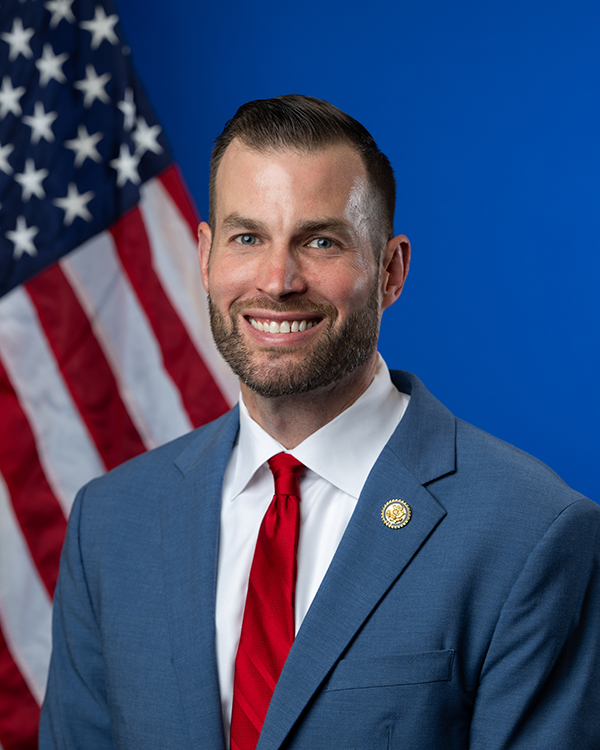
Clay Fuller
House · District 14
|
R |
Strong +
|
87% | 46 |
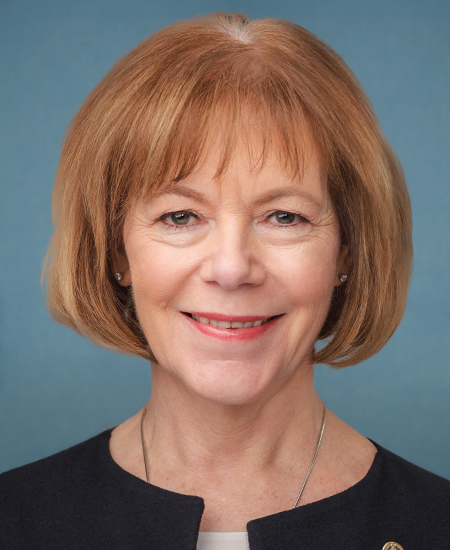
Tina Smith
Senate
|
D |
Strong +
|
83% | 77 |

Andrew Ogles
House · District 5
|
R |
Strong +
|
83% | 65 |
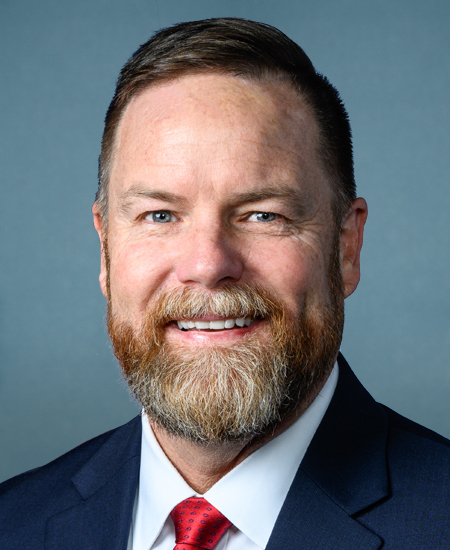
Aaron Bean
House · District 4
|
R |
Strong +
|
83% | 69 |
Ben Cline
House · District 6
|
R |
Strong +
|
83% | 69 |
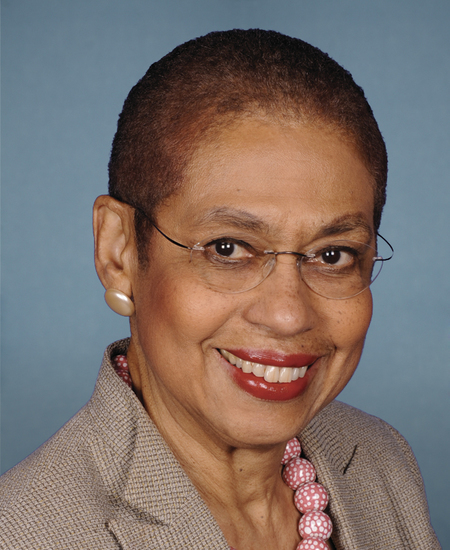
Eleanor Holmes Norton
House · District At-Large
|
D |
Strong −
|
0% | 26 |
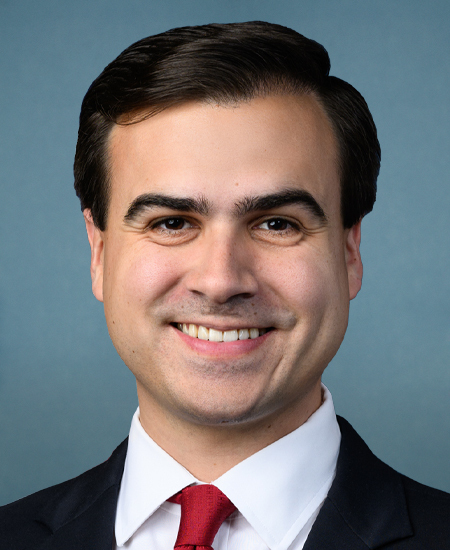
Pablo José Hernández
House · District At-Large
|
D |
Strong −
|
7% | 28 |
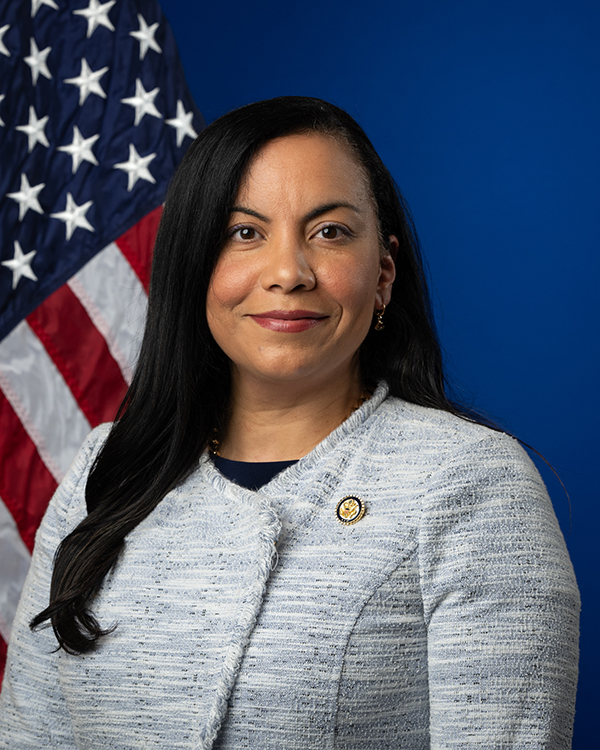
Analilia Mejia
House · District 11
|
D |
Strong −
|
13% | 45 |
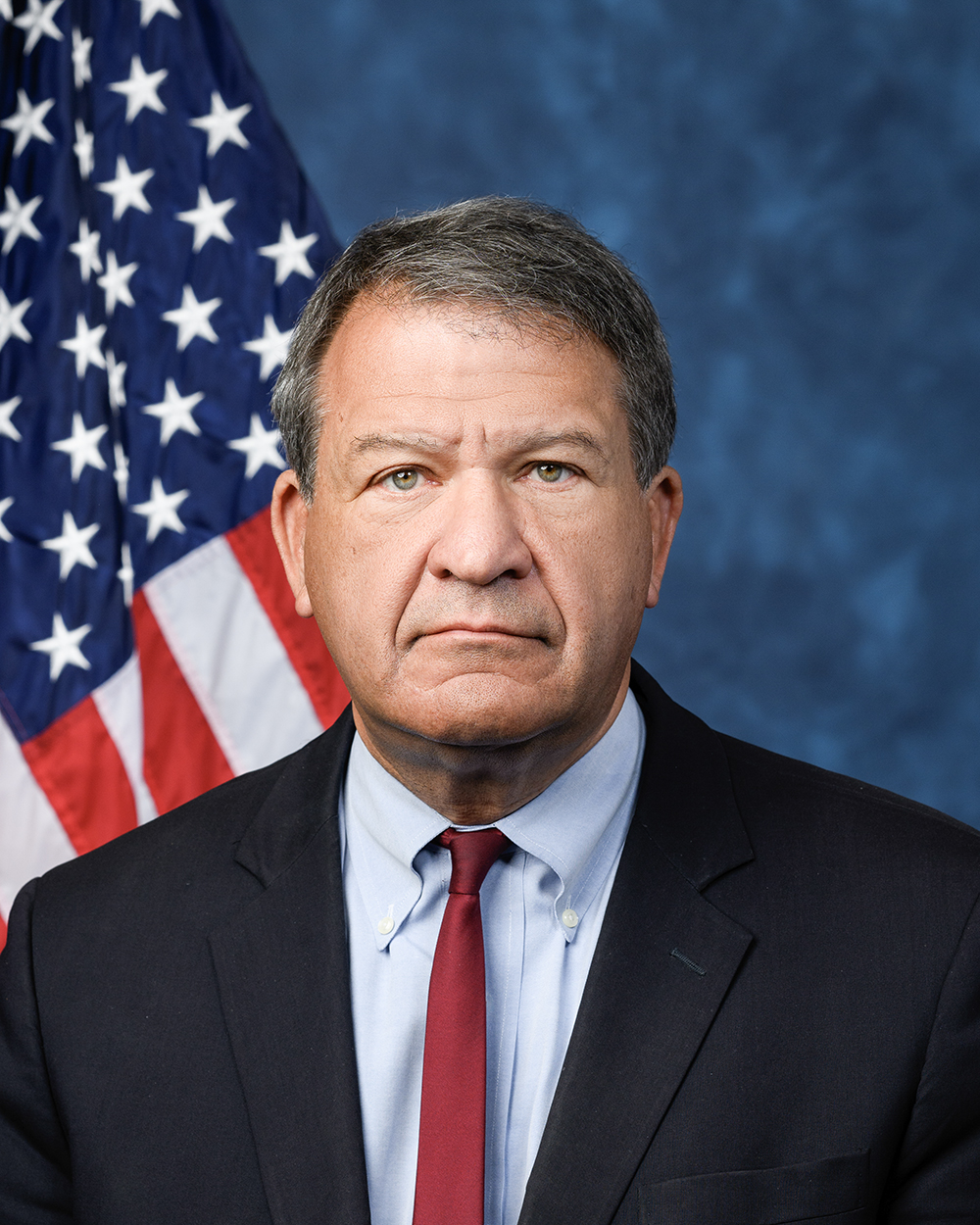
George Latimer
House · District 16
|
D |
Strong −
|
13% | 67 |
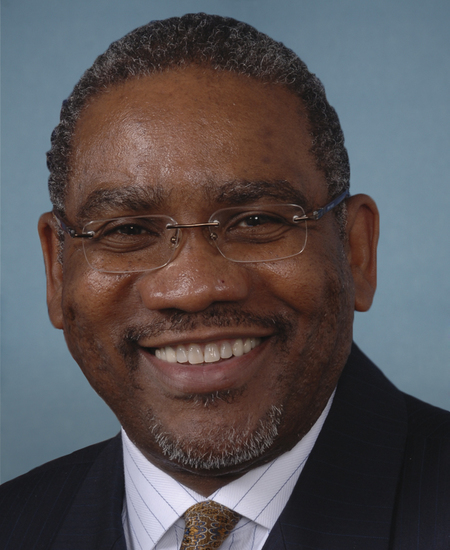
Gregory W. Meeks
House · District 5
|
D |
Strong −
|
14% | 66 |
Showing 351–360 of 2,067
bills
All budget & taxes bills
S 4330: Ending the Carried Interest Loophole Act
Sub-Topics
Income Tax
HR 9002: SURS Extension Act
Topics
✓ Budget & TaxesSupports Budget & TaxesBill extends funding for a healthcare program serving rural and underserved communities, aligning with increasing public service funding.
✓ HealthcareSupports HealthcareBill extends funding for a program providing financial incentives to healthcare providers in rural and underserved areas, improving access and strengthening support.
S 4353: Health Savings Account Expansion Act
Topics
✓ Budget & TaxesSupports Budget & TaxesBill modifies tax rules to expand Health Savings Accounts, providing tax relief and increasing flexibility for individuals on government-sponsored plans.
✓ HealthcareSupports HealthcareBill expands Health Savings Accounts to include government-sponsored plans and sharing ministries, increasing access to tax-advantaged health funding.
HR 8497: Supporting Energy and Economic Development (SEED) Act
Topics
✓ Budget & TaxesSupports Budget & TaxesBill extends tax credits for renewable fuel production, providing economic incentives and fiscal support for energy development.
✓ EnergySupports EnergyBill extends tax credits for biodiesel and renewable diesel, directly advancing renewable energy production and infrastructure.
✓ EnvironmentSupports EnvironmentBill extends tax credits for biodiesel and renewable diesel, promoting clean energy and reducing reliance on fossil fuels.
HR 8632: PFAS Cleanup Act
Topics
✓ Budget & TaxesSupports Budget & TaxesBill imposes an excise tax on PFAS chemicals to fund cleanup efforts, directly addressing fiscal management and generating revenue for public health services.
✓ EnvironmentSupports EnvironmentBill imposes taxes on PFAS chemicals and funds water system cleanup, directly addressing pollution control and environmental protection.
✓ HealthcareSupports HealthcareBill funds PFAS water cleanup to reduce health risks from chemical contamination, protecting public health and preventing disease.
S 4613: Manufactured Housing Community Sustainability Act of 2026
Topics
✓ Budget & TaxesSupports Budget & TaxesBill creates a federal tax credit to encourage affordable housing preservation, aligning with fiscal incentives for public benefit.
✓ HousingSupports HousingBill creates a federal tax credit to encourage the sale of manufactured home communities to residents or nonprofits, directly advancing affordable housing preservation.
S 4584: Norma Ruth Criswell Carpenter & Clovis C. Criswell Grant Parish Restoration Act of 2026
HR 8662: To provide assisted living assistance through Medicaid and low-income housing tax credit.
Topics
✓ Budget & TaxesSupports Budget & TaxesBill expands Medicaid and prioritizes housing tax credits to reduce long-term medical costs, indicating support for public service funding and fiscal management.
✓ HealthcareSupports HealthcareBill expands Medicaid coverage for assisted living and prioritizes funding to reduce long-term medical costs, directly strengthening healthcare access.
✓ HousingSupports HousingBill expands Medicaid for assisted living and prioritizes Low-Income Housing Tax Credits for non-institutional elderly care, directly funding and strengthening housing options.
Sub-Topics
Tax Credits
Hospitals
Long-Term Care
Medicaid
Affordable Housing
Historic Preservation
Housing Finance
Tags
Seniors
HR 8952: Elder Pride Act of 2026
Topics
✓ Budget & TaxesSupports Budget & TaxesBill authorizes $5M in annual funding for rural outreach and health programs under the Older Americans Act.
✓ HealthcareSupports HealthcareBill allocates $5M for rural outreach and sexual health services for older adults, explicitly expanding healthcare access and funding.