

Issue · Budget & Taxes
Budget & Taxes (Tax Credits)
Every budget & taxes bill, vote, and legislator stance in United States, automatically classified by Maddy, our AI policy reader.
Total bills
420
119th Congress
Top supporter
Adam B. Schiff
100% support rate
Top opponent
Ashley Moody
0% support rate
Ranked legislators
10
5 support · 5 oppose
Key legislators
Who's moving tax credits in United States
| Legislator | Party | Stance | Support rate | Decisive votes |
|---|---|---|---|---|

Adam B. Schiff
Senate
|
D |
Strong +
|
100% | 10 |

Alex Padilla
Senate
|
D |
Strong +
|
100% | 10 |

Amy Klobuchar
Senate
|
D |
Strong +
|
100% | 10 |

Andy Kim
Senate
|
D |
Strong +
|
100% | 10 |

Angela D. Alsobrooks
Senate
|
D |
Strong +
|
100% | 10 |

Ashley Moody
Senate
|
R |
Strong −
|
0% | 10 |

Bernie Moreno
Senate
|
R |
Strong −
|
0% | 10 |
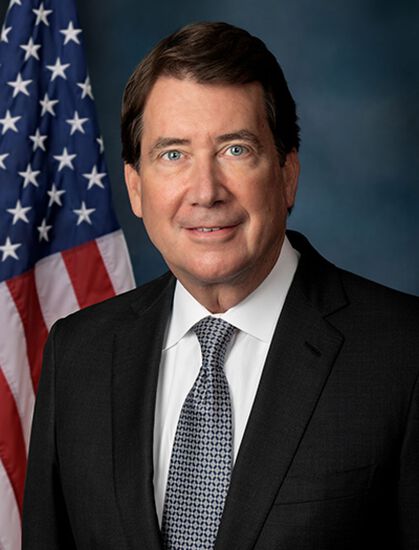
Bill Hagerty
Senate
|
R |
Strong −
|
0% | 10 |
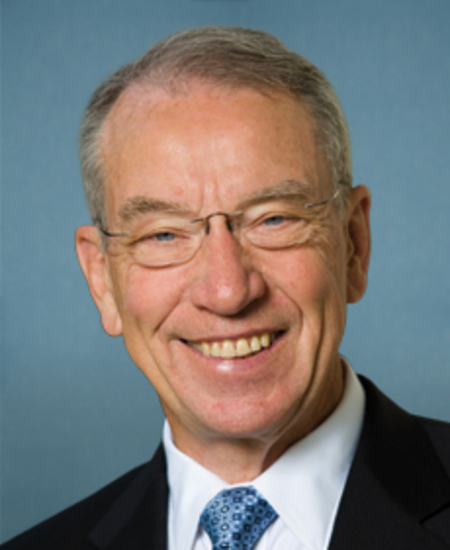
Chuck Grassley
Senate
|
R |
Strong −
|
0% | 10 |
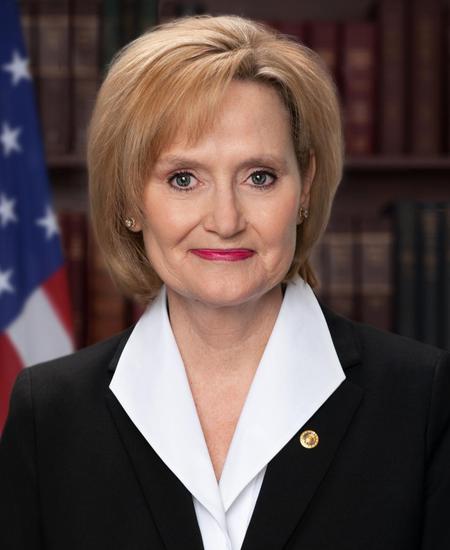
Cindy Hyde-Smith
Senate
|
R |
Strong −
|
0% | 10 |
Showing 301–310 of 420
bills
All budget & taxes bills
HR 3308: RETAIN Act
Topics
✓ Budget & TaxesSupports Budget & TaxesProvides refundable tax credit ($5,800-$11,600) to educators/mental health workers in high-need schools, offering tax relief to middle-income public service workers while funding retention programs.
✓ EducationSupports EducationProvides refundable tax credits ($5,800-$11,600) for educators in high-need schools to address low pay and retention challenges, directly supporting teachers and schools serving high-poverty communities.
✓ HealthcareSupports HealthcareDirectly provides tax credits to mental health providers in high-need schools, improving retention and access to mental health services per bill's explicit focus on mental health providers.
✓ Labor & EmploymentSupports Labor & EmploymentProvides refundable tax credit ($5,800-$11,600 annually) to address low pay and retention for educators in high-need schools, directly strengthening wages and workforce stability.
HR 2764: Tax Cut for Workers Act of 2025
Topics
✓ Budget & TaxesSupports Budget & TaxesBill expands EITC for low-income workers by lowering age limits, removing age caps, doubling credit percentage, and raising income thresholds, providing direct tax relief to target demographic.
✓ Labor & EmploymentSupports Labor & EmploymentExpands EITC for low-income workers by lowering age limits, removing maximum age, doubling credit percentage, and increasing income thresholds, directly increasing worker benefits and income.
HR 5099: SAFES Act
S 2790: Resilient Tire Supply and Jobs Act
Topics
✓ Budget & TaxesSupports Budget & TaxesCreates federal tax credit (up to $30/tire) for U.S. tire retreading businesses, directly providing tax relief under Budget & Taxes policy area.
✓ EnvironmentSupports EnvironmentPromotes tire retreading to reduce waste, conserve resources, and lower environmental impact of tire production.
✓ TransportationSupports TransportationPromotes sustainable tire use via federal procurement rules and tax credit, aligning with sustainable transportation indicators in vehicle operations.
S 3295: A bill to amend the Internal Revenue Code of 1986 to establish a credit for adult child caregivers.
Topics
✓ Budget & TaxesSupports Budget & TaxesBill establishes a $2,000 tax credit for caregivers, providing direct tax relief to qualifying individuals, aligning with tax relief policies under Budget & Taxes.
✓ HealthcareSupports HealthcareBill creates tax credit for caregivers of elderly meeting healthcare-defined care needs (ADLs/IADLs), verified by healthcare providers, supporting family care access and reducing strain on formal healthcare systems.
S 1515: Affordable Housing Credit Improvement Act of 2025
Topics
✓ Budget & TaxesSupports Budget & TaxesExpands Low-Income Housing Tax Credit program via increased state allocations and revised eligibility, directly funding affordable housing through tax incentives - aligns with supporting essential programs via fiscal policy.
✓ HousingSupports HousingBill explicitly increases affordability via tax credit updates, expands protections for tenants/victims, targets low-income households, and broadens development areas to rural/Indian lands.
S 1323: The Facilitating Increased Resilience, Environmental Weatherization And Lowered Liability (FIREWALL) Act
Sub-Topics
Tax Credits
HR 4933: Research and Development Tax Credit Expansion Act of 2025
Topics
✓ Budget & TaxesSupports Budget & TaxesExpands refundable R&D tax credit for small businesses, increasing rate to 20% and broadening eligibility, directly providing tax relief and incentivizing business investment.
✓ TechnologySupports TechnologyExpands R&D tax credits for small businesses, directly funding technology innovation and development through increased refundable credits and broader eligibility.