

Issue · Budget & Taxes
Budget & Taxes
Every budget & taxes bill, vote, and legislator stance in United States, automatically classified by Maddy, our AI policy reader.
Total bills
2,046
119th Congress
Top supporter
Clay Fuller
87% support rate
Top opponent
Eleanor Holmes Norton
0% support rate
Ranked legislators
10
5 support · 5 oppose
Key legislators
Who's moving budget & taxes in United States
| Legislator | Party | Stance | Support rate | Decisive votes |
|---|---|---|---|---|

Clay Fuller
House · District 14
|
R |
Strong +
|
87% | 46 |
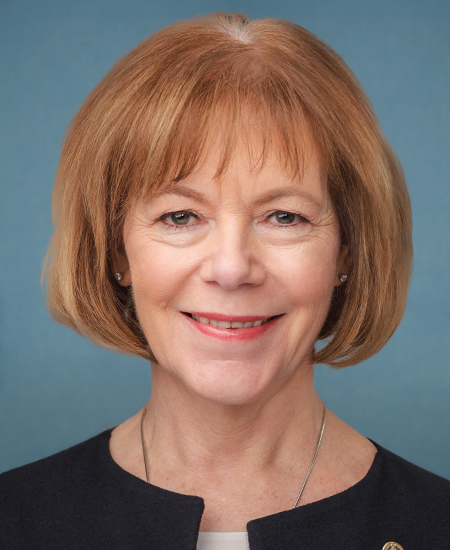
Tina Smith
Senate
|
D |
Strong +
|
83% | 77 |

Andrew Ogles
House · District 5
|
R |
Strong +
|
83% | 65 |

Aaron Bean
House · District 4
|
R |
Strong +
|
83% | 69 |
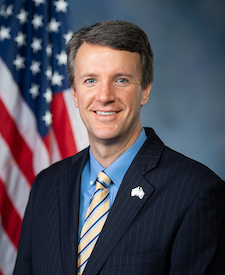
Ben Cline
House · District 6
|
R |
Strong +
|
83% | 69 |

Eleanor Holmes Norton
House · District At-Large
|
D |
Strong −
|
0% | 26 |
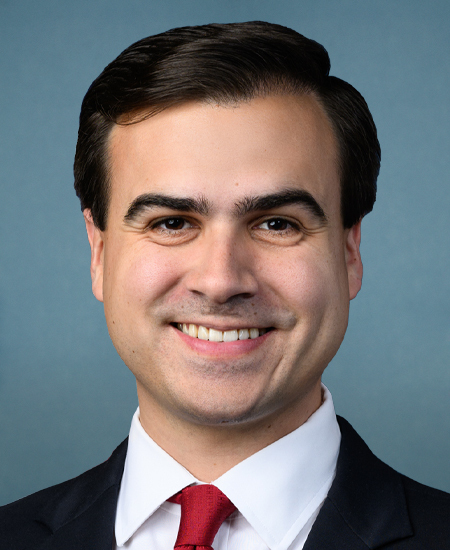
Pablo José Hernández
House · District At-Large
|
D |
Strong −
|
7% | 28 |

Analilia Mejia
House · District 11
|
D |
Strong −
|
13% | 45 |
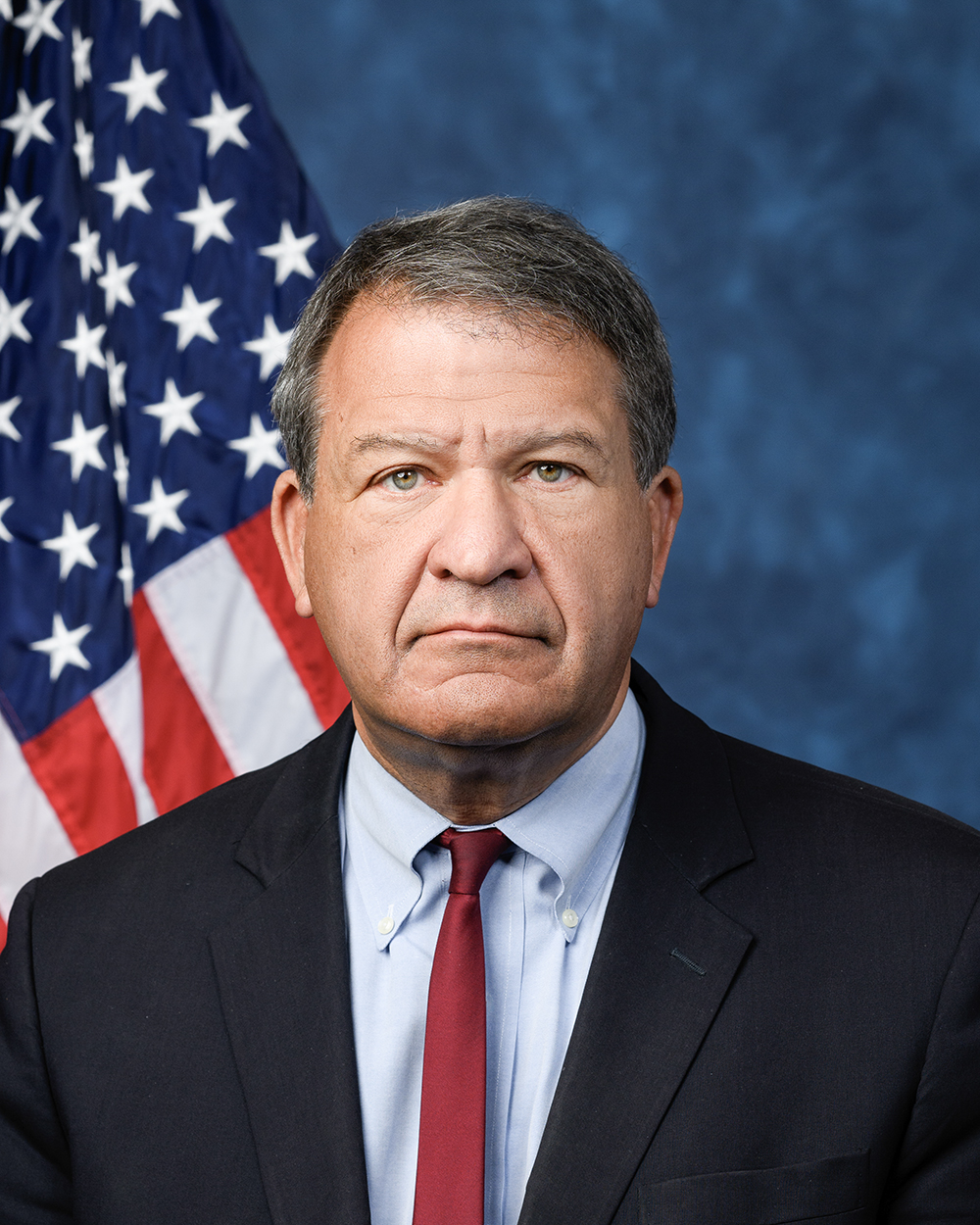
George Latimer
House · District 16
|
D |
Strong −
|
13% | 67 |
Gregory W. Meeks
House · District 5
|
D |
Strong −
|
14% | 66 |
Showing 291–300 of 2,046
bills
All budget & taxes bills
S 4587: Dietary Supplements Access Act
Topics
✓ Budget & TaxesSupports Budget & TaxesBill allows pre-tax spending on supplements, providing tax relief and expanding health-related tax benefits.
✓ HealthcareSupports HealthcareBill expands pre-tax funding for dietary supplements, improving patient access to health-related products.
HR 8590: CARE for Parenting Students Act
Topics
✓ Budget & TaxesSupports Budget & TaxesBill authorizes $850M annually to expand childcare funding for student parents, directly increasing government spending on essential services.
✓ EducationSupports EducationBill expands childcare funding and access for parents in education/training programs, directly enhancing educational access and support.
✓ Labor & EmploymentSupports Labor & EmploymentBill expands childcare funding and eligibility, directly supporting workers' ability to balance employment and education.
S 4588: Taxing Buybacks from Big Oil Windfalls Act
Topics
✓ Budget & TaxesSupports Budget & TaxesBill increases corporate tax on oil buybacks, closing a loophole and generating revenue for public funds.
✗ EnergyOpposes EnergyBill imposes higher taxes on major oil and gas companies, restricting their financial flexibility and potentially increasing energy costs or hindering industry operations.
HR 8872: Preventing Waste, Fraud, and Abuse in TANF Act
HR 8637: Release Your Taxes Act of 2026
Tags
Government Transparency
HR 8607: Equitable Transit Oriented Development Support Act
Topics
✓ Budget & TaxesSupports Budget & TaxesBill establishes a new funding mechanism and creates special accounts to support affordable housing and small businesses near transit, directly advancing fiscal management for public services.
✓ HousingSupports HousingBill creates funding mechanisms to support affordable housing near transit stations and funds projects in low-income areas.
✓ TransportationSupports TransportationBill creates funding for affordable housing near transit stations, directly supporting public transit infrastructure and accessibility.
HR 9007: Constance C. McDaniel Medically Necessary Infant Formula and Donor Milk Act
Topics
✓ Budget & TaxesSupports Budget & TaxesBill directs HHS to create a pilot program providing financial assistance to parents, representing new government spending to fund essential health needs.
✓ HealthcareSupports HealthcareBill directs HHS to create a pilot program providing financial assistance for medically necessary infant formula and donor milk, improving access to essential healthcare for vulnerable infants.
HR 8600: To amend the Internal Revenue Code of 1986 to temporarily suspend certain fuel excise taxes for fuel separated during periods in which the national average price of gasoline exceeds $3.99 per gallon, and to prohibit certain credits or deductions for oil and gas companies during such periods.
Topics
✓ Budget & TaxesSupports Budget & TaxesBill suspends fuel taxes to lower consumer costs while redirecting savings to trust funds and limiting corporate tax breaks, promoting fiscal responsibility.
✓ TransportationSupports TransportationBill protects Highway Trust Fund by redirecting tax savings, ensuring continued funding for road infrastructure.
HR 9014: Affordable Housing and Area Median Income Fairness Act of 2026
Topics
✓ Budget & TaxesSupports Budget & TaxesBill explicitly allocates $5 billion annually to fund affordable housing programs, directly advancing the budget topic through increased government spending.
✓ HousingSupports HousingBill allocates $5B annually for affordable housing programs in high-cost areas and mandates a study on income limits.