

Issue · Budget & Taxes
Budget & Taxes
Every budget & taxes bill, vote, and legislator stance in United States, automatically classified by Maddy, our AI policy reader.
Total bills
306
119th Congress
Top supporter
Clay Fuller
87% support rate
Top opponent
Eleanor Holmes Norton
0% support rate
Ranked legislators
10
5 support · 5 oppose
Key legislators
Who's moving budget & taxes in United States
| Legislator | Party | Stance | Support rate | Decisive votes |
|---|---|---|---|---|
Clay Fuller
House · District 14
|
R |
Strong +
|
87% | 46 |

Tina Smith
Senate
|
D |
Strong +
|
83% | 77 |

Andrew Ogles
House · District 5
|
R |
Strong +
|
83% | 65 |

Aaron Bean
House · District 4
|
R |
Strong +
|
83% | 69 |
Ben Cline
House · District 6
|
R |
Strong +
|
83% | 69 |

Eleanor Holmes Norton
House · District At-Large
|
D |
Strong −
|
0% | 26 |
Pablo José Hernández
House · District At-Large
|
D |
Strong −
|
7% | 28 |
Analilia Mejia
House · District 11
|
D |
Strong −
|
13% | 45 |
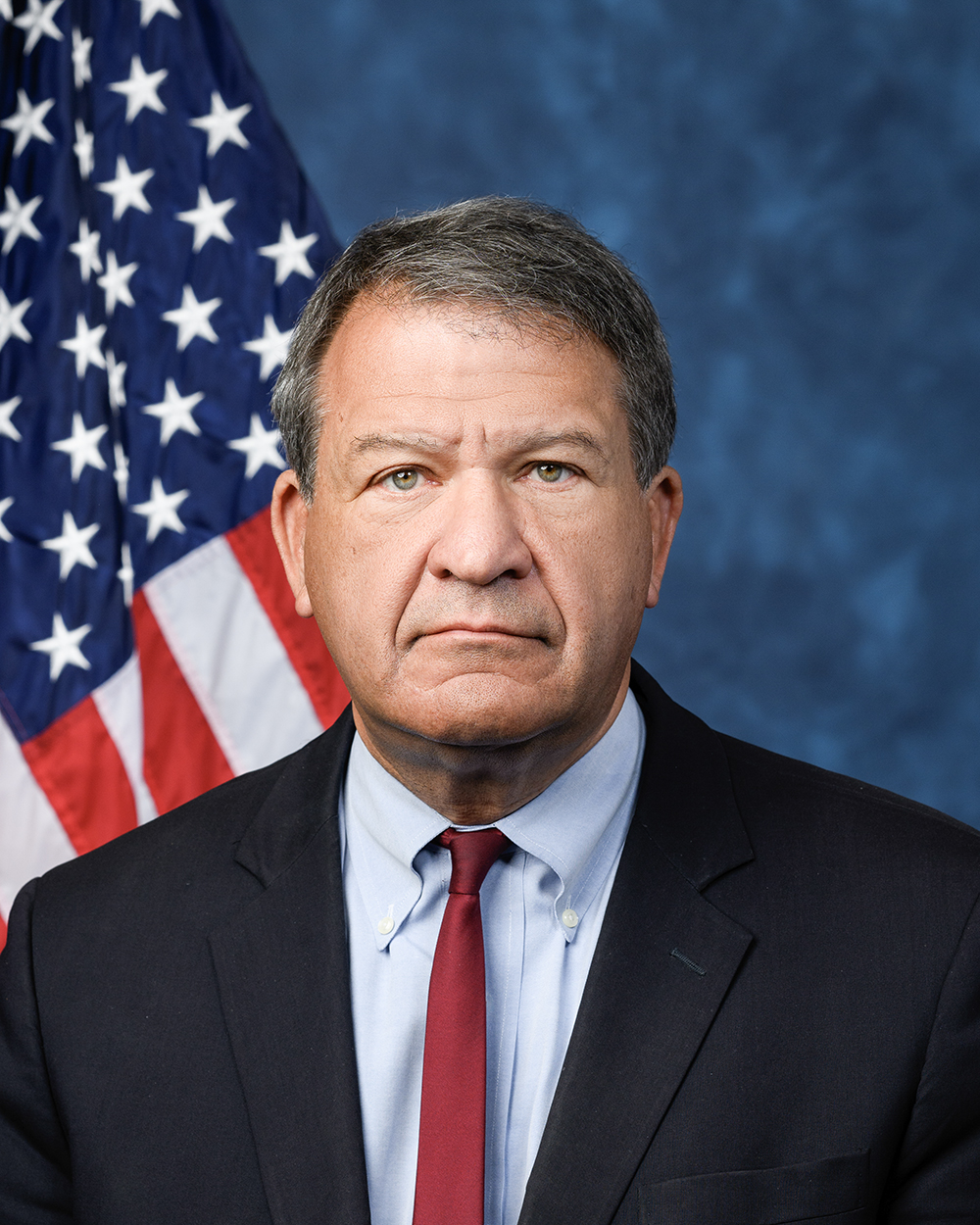
George Latimer
House · District 16
|
D |
Strong −
|
13% | 67 |
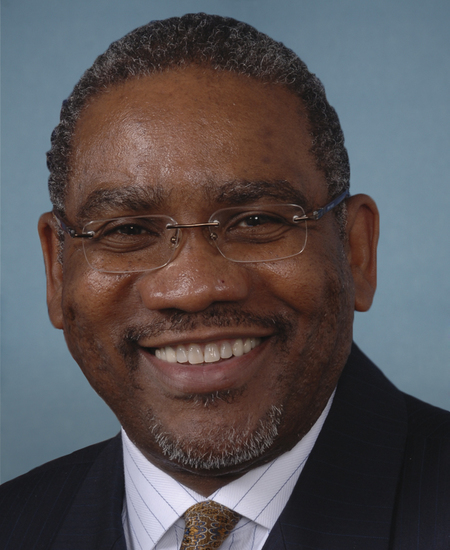
Gregory W. Meeks
House · District 5
|
D |
Strong −
|
14% | 66 |
Showing 211–220 of 306
bills
All budget & taxes bills
HR 1754: FARM Act of 2025
Topics
✗ Budget & TaxesOpposes Budget & TaxesBill blocks tax credits for renewable energy on agricultural land, removing tax incentives. This restricts tax benefits, aligning with 'oppose' stance for Budget & Taxes.
✗ EnergyOpposes EnergyBlocks tax credits for solar/wind on agricultural land under Sections 48 and 45, directly restricting renewable energy development incentives.
✗ EnvironmentOpposes EnvironmentBlocks tax credits for solar/wind on farmland, directly hindering renewable energy expansion and environmental protection efforts per bill summary.
HR 374: DIRECT Act
Topics
✗ Budget & TaxesOpposes Budget & TaxesRedirects IRS enforcement funds to border security, defunding tax enforcement component of budget
✗ ImmigrationOpposes ImmigrationRedirects IRS enforcement funds to CBP border agents, increasing border enforcement funding, aligning with restrictive immigration policies.
S 3462: Safeguarding American Families and Expanding Social Security Act of 2025
Topics
✗ Budget & TaxesOpposes Budget & TaxesReduces Social Security tax on high earners' income above cap, creating tax break for wealthy
✓ Labor & EmploymentSupports Labor & EmploymentBill increases Social Security benefits for low earners by raising benefit calculation percentage from 90% to 95%, expanding worker benefits as per topic indicators.
S 3090: No Nuclear Testing Act of 2025
Topics
✗ Budget & TaxesOpposes Budget & TaxesDefunds nuclear testing program, restricting defense spending per bill's explicit funding block for explosive tests
✓ EnvironmentSupports EnvironmentBans nuclear testing, preventing radioactive pollution and environmental harm, directly aligns with environmental protection goals.
S 587: Death Tax Repeal Act of 2025
S 1930: Small Biotech Innovation Act
Topics
✗ Budget & TaxesOpposes Budget & TaxesExempts qualifying drugs from Medicare price negotiations, increasing government spending on pharmaceuticals and opposing fiscal responsibility.
✓ HealthcareSupports HealthcareExempts small biotech drugs from Medicare price negotiations to incentivize R&D, supporting healthcare innovation and drug development.
S 1188: FLARE Act
Topics
✗ Budget & TaxesOpposes Budget & TaxesProvides 100% tax deduction for oil/gas emissions systems, reducing government tax revenue. Creates corporate tax break aligns with 'oppose' indicators.
✗ EnergyOpposes EnergyProvides tax incentives for oil/gas emission capture, favoring fossil fuel operations over renewable energy development.
✓ EnvironmentSupports EnvironmentIncentivizes emission reduction by allowing tax deductions for capturing gas that would otherwise be flared, directly reducing pollution from oil/gas operations.
Sub-Topics
Oil & Gas
S 2965: No Argentina Bailout Act
Sub-Topics
Procurement
S 1551: No Subsidies for Gender Transition Procedures Act
Topics
✗ Budget & TaxesOpposes Budget & TaxesBill denies federal tax deductions and prohibits Medicaid/Medicare funding for gender transition care, directly defunding essential health services and restricting tax benefits.
✗ HealthcareOpposes HealthcareDefunds Medicaid/Medicare coverage for gender transition procedures, restricting access to healthcare services for transgender individuals.