Issue · Budget & Taxes

Budget & Taxes

Every budget & taxes bill, vote, and legislator stance in United States, automatically classified by Maddy, our AI policy reader.

Total bills
2,046
119th Congress
Top supporter
Clay Fuller
87% support rate
Top opponent
Eleanor Holmes Norton
0% support rate
Ranked legislators
10
5 support · 5 oppose
Key legislators

Who's moving budget & taxes in United States

Legislators moving budget & taxes in United States
Legislator Party Stance Support rate Decisive votes
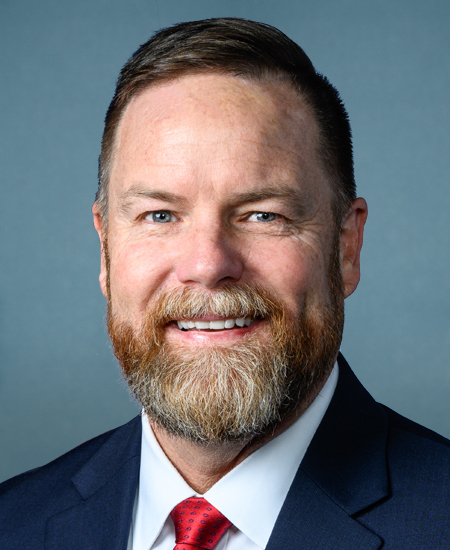
Clay Fuller
Clay Fuller House · District 14
R
Strong +
87% 46
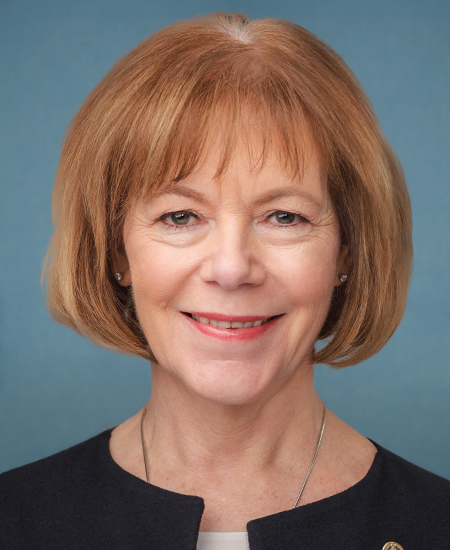
Tina Smith
Tina Smith Senate
D
Strong +
83% 77
Andrew Ogles
Andrew Ogles House · District 5
R
Strong +
83% 65
Aaron Bean
Aaron Bean House · District 4
R
Strong +
83% 69
Ben Cline
Ben Cline House · District 6
R
Strong +
83% 69
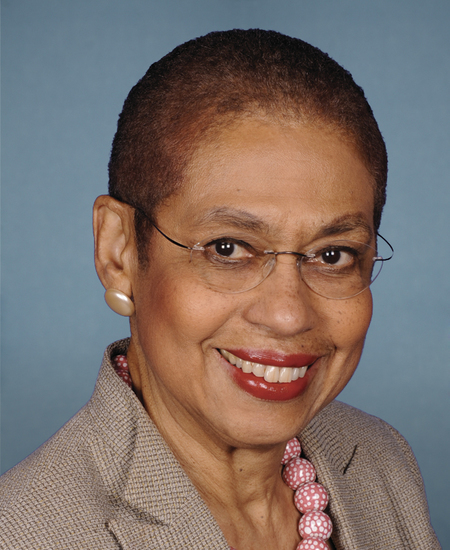
Eleanor Holmes Norton
Eleanor Holmes Norton House · District At-Large
D
Strong −
0% 26
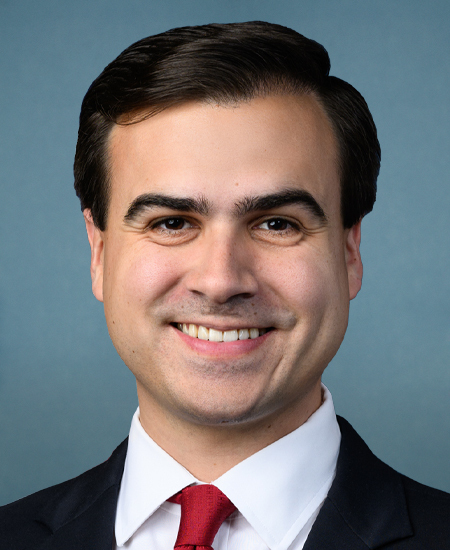
Pablo José Hernández
Pablo José Hernández House · District At-Large
D
Strong −
7% 28
Analilia Mejia
Analilia Mejia House · District 11
D
Strong −
13% 45
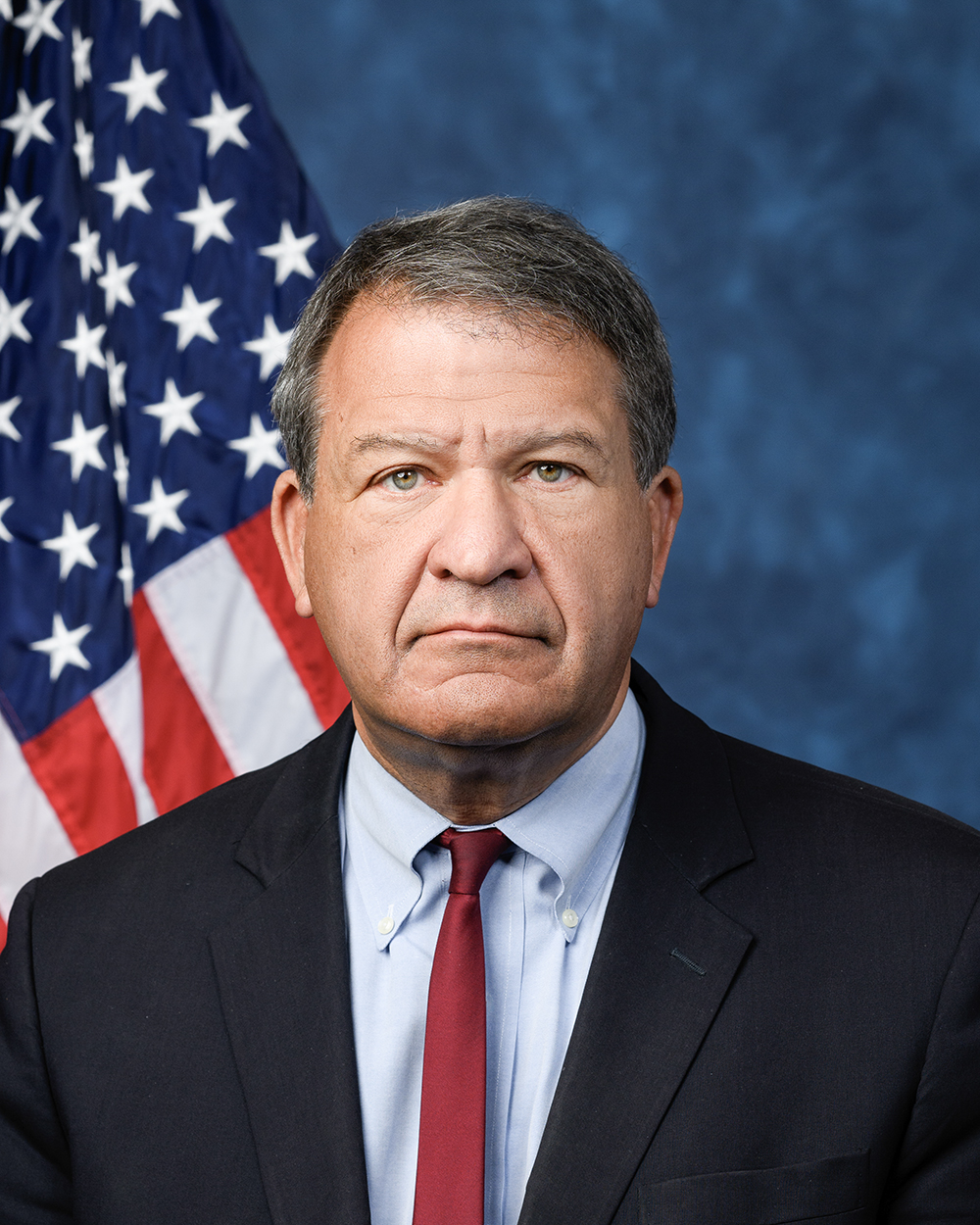
George Latimer
George Latimer House · District 16
D
Strong −
13% 67
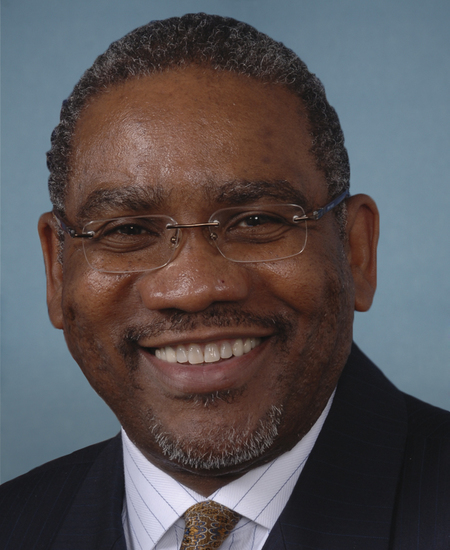
Gregory W. Meeks
Gregory W. Meeks House · District 5
D
Strong −
14% 66
Showing 1,831–1,840 of 2,046 bills

All budget & taxes bills

in committee · United States · House Feb 18, 2025

HR 1427: To amend the Internal Revenue Code of 1986 to increase the amount of the adoption credit and to establish the in vitro fertilization expenses credit.

HR 1427 increases the federal adoption tax credit from $10,000 to $25,000 per child for both general adoptions and adoptions of children with special needs, effective for tax years beginning after December 31, 2024. It also creates a new tax credit for qualified in vitro fertilization (IVF) medical expenses, allowing taxpayers to claim a credit for IVF-related costs paid during the tax year. The bill includes a new inflation adjustment mechanism for the adoption credit starting in 2025 and specifies that IVF credit expenses cannot be claimed for other deductions or credits. This legislation directly affects individuals adopting children or undergoing IVF treatments who itemize deductions on their federal tax returns.
Sub-Topics Income Tax Tax Credits
in committee · United States · House Feb 6, 2025

HR 1092: Responsible Budgeting Act

The Responsible Budgeting Act (HR 1092) changes how the U.S. debt ceiling can be raised. It requires Congress to adopt a budget resolution that reduces the projected debt-to-GDP ratio by at least 5 percentage points over 10 years to automatically increase the debt ceiling. If Congress fails to adopt such a resolution by a deadline, the President can submit a debt reduction proposal meeting this target, triggering an automatic debt ceiling increase after 30 days unless Congress passes a joint resolution disapproving it within that timeframe. The bill establishes expedited procedures for Congress to consider and vote on debt reduction proposals, with strict requirements for any proposal to meet the required debt reduction target.
in committee · United States · Senate Feb 3, 2026

S 3770: Strong Start Act

The Strong Start Act creates a new $3,000 tax credit for eligible parents with new children (born, adopted, or placed with them after enactment), paid within 30 days of claim. It establishes "American Dream accounts" for children with additional government contributions: $750 for EITC-eligible families (plus any personal contributions up to $250) and $500 for other families, both adjusted for inflation. The bill renames "Trump accounts" to "American Dream accounts" throughout the tax code and includes provisions for automatic enrollment of eligible families into these accounts. It also ensures account funds are disregarded for means-tested programs like Supplemental Security Income, with limited exceptions for SSI benefit calculations.
Sub-Topics Tax Credits
in committee · United States · House May 5, 2025

HR 3186: Universal Savings Account Act of 2025

HR 3186, the Universal Savings Account Act of 2025, creates a new tax-advantaged savings account type. It allows individuals to contribute up to $10,000 in 2025 (increasing annually with inflation, capped at $25,000), with contributions growing tax-free until withdrawal. The accounts must be held by banks or approved institutions, accept only cash contributions, and prohibit investments in life insurance. This directly affects individual savers seeking tax-free growth for future needs, excluding retirement-specific accounts like IRAs. The bill takes effect for taxable years starting after December 31, 2024.
Sub-Topics Sales Tax
in committee · United States · House Mar 4, 2025

HR 1827: Child Care Availability and Affordability Act

HR 1827, the Child Care Availability and Affordability Act, increases tax benefits for families with child care needs and employers providing child care. It raises the employer child care credit from 25% to 50% of expenses with a maximum credit of $500,000 (up from $150,000), and creates a new household and dependent care credit allowing families to claim up to 50% of eligible child care expenses, with the credit amount reduced as income increases, up to $8,000 for multiple children. The bill directly affects working parents with children under 13 or dependents needing care, as well as employers offering child care benefits. Key provisions include expanded credit amounts, new definitions for qualifying care, and special rules for small businesses.
in committee · United States · House Feb 21, 2025

HR 1454: Rural Historic Tax Credit Improvement Act

This bill increases tax credits for rehabilitating historic buildings in rural areas. It creates a new "applicable rural project" category: affordable housing projects get a 40% credit on rehabilitation costs (up to $5 million total), while other rural projects get a 30% credit. The credit can now be transferred to other taxpayers, unlike previous rules. It specifically targets buildings in areas outside cities over 50,000 people or adjacent urban zones, and requires affordable housing projects to maintain housing affordability standards. The changes apply to property placed in service after December 31, 2025.
in committee · United States · House Feb 7, 2025

HR 1130: Bonus Tax Relief for America’s Seniors Act

This bill increases the additional standard deduction for seniors aged 65 or older from $600 to $5,000 for tax years beginning after December 31, 2025. It also requires annual inflation adjustments to the $5,000 amount starting in 2026, using the cost-of-living adjustment formula. The change directly affects seniors filing taxes who qualify for the standard deduction, lowering their taxable income. The provision applies to all eligible seniors regardless of income level or filing status.
Sub-Topics Income Tax Tags Seniors
in committee · United States · Senate Oct 29, 2025

S 3073: Pay Our Capitol Police Act

This bill ensures the U.S. Capitol Police continue receiving pay during fiscal year 2026 funding gaps by authorizing temporary funds for salaries, benefits (including hazard pay and retirement), and contractor support. It directly affects Capitol Police officers (classified as "excepted employees" during emergencies), their civilian support staff, and contractors providing essential services. The funding mechanism provides immediate payments for the period starting October 1, 2025, and lasts until Congress passes regular appropriations for the Capitol Police or September 30, 2026, whichever comes first.
in committee · United States · House Jan 7, 2026

HRES 981: Expressing the sense of the House of Representatives that the United States should reduce and maintain the Federal unified budget deficit at or below 3 percent of gross domestic product.

This resolution expresses the sense of the House of Representatives that (1) Congress should adopt a fiscal target to reduce the federal budget deficit to 3% of gross domestic product or less as soon as possible and no later than the end of FY2030; and (2) after the target is achieved, Congress should continue to pursue further deficit reduction with the goal of achieving a balanced federal budget.
Sub-Topics State Budget
in committee · United States · Senate Dec 4, 2025

S 3378: HUSTLE Act

The HUSTLE Act creates tax-advantaged investment accounts for student athletes to save income from name, image, and likeness (NIL) deals. Eligible student athletes at participating colleges can contribute NIL earnings (like endorsements and social media content) to these accounts, which are tax-exempt for the athlete. Distributions before graduation are taxed as ordinary income, but distributions after graduation or transfer qualify for lower long-term capital gains tax rates. The accounts have annual contribution limits based on the gift tax exclusion and require management by banks or approved entities. The bill also includes new rules for sports agents, such as a 5% fee cap on endorsement contracts and registration requirements.
Showing 1,831 to 1,840 of 2,046 bills