Issue · Budget & Taxes

Budget & Taxes

Every budget & taxes bill, vote, and legislator stance in United States, automatically classified by Maddy, our AI policy reader.

Total bills
2,067
119th Congress
Top supporter
Clay Fuller
87% support rate
Top opponent
Eleanor Holmes Norton
0% support rate
Ranked legislators
10
5 support · 5 oppose
Key legislators

Who's moving budget & taxes in United States

Legislators moving budget & taxes in United States
Legislator Party Stance Support rate Decisive votes
Clay Fuller
Clay Fuller House · District 14
R
Strong +
87% 46
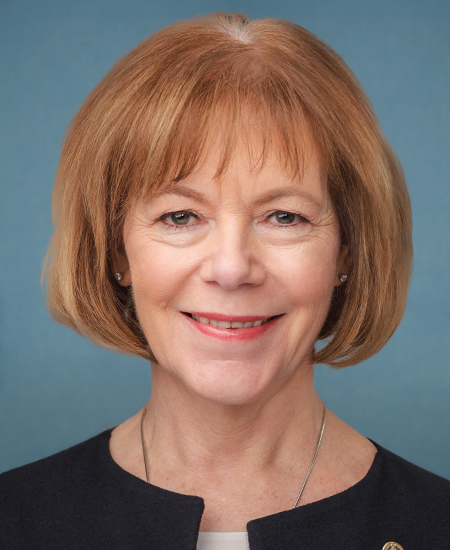
Tina Smith
Tina Smith Senate
D
Strong +
83% 77
Andrew Ogles
Andrew Ogles House · District 5
R
Strong +
83% 65
Aaron Bean
Aaron Bean House · District 4
R
Strong +
83% 69
Ben Cline
Ben Cline House · District 6
R
Strong +
83% 69
Eleanor Holmes Norton
Eleanor Holmes Norton House · District At-Large
D
Strong −
0% 26
Pablo José Hernández
Pablo José Hernández House · District At-Large
D
Strong −
7% 28
Analilia Mejia
Analilia Mejia House · District 11
D
Strong −
13% 45
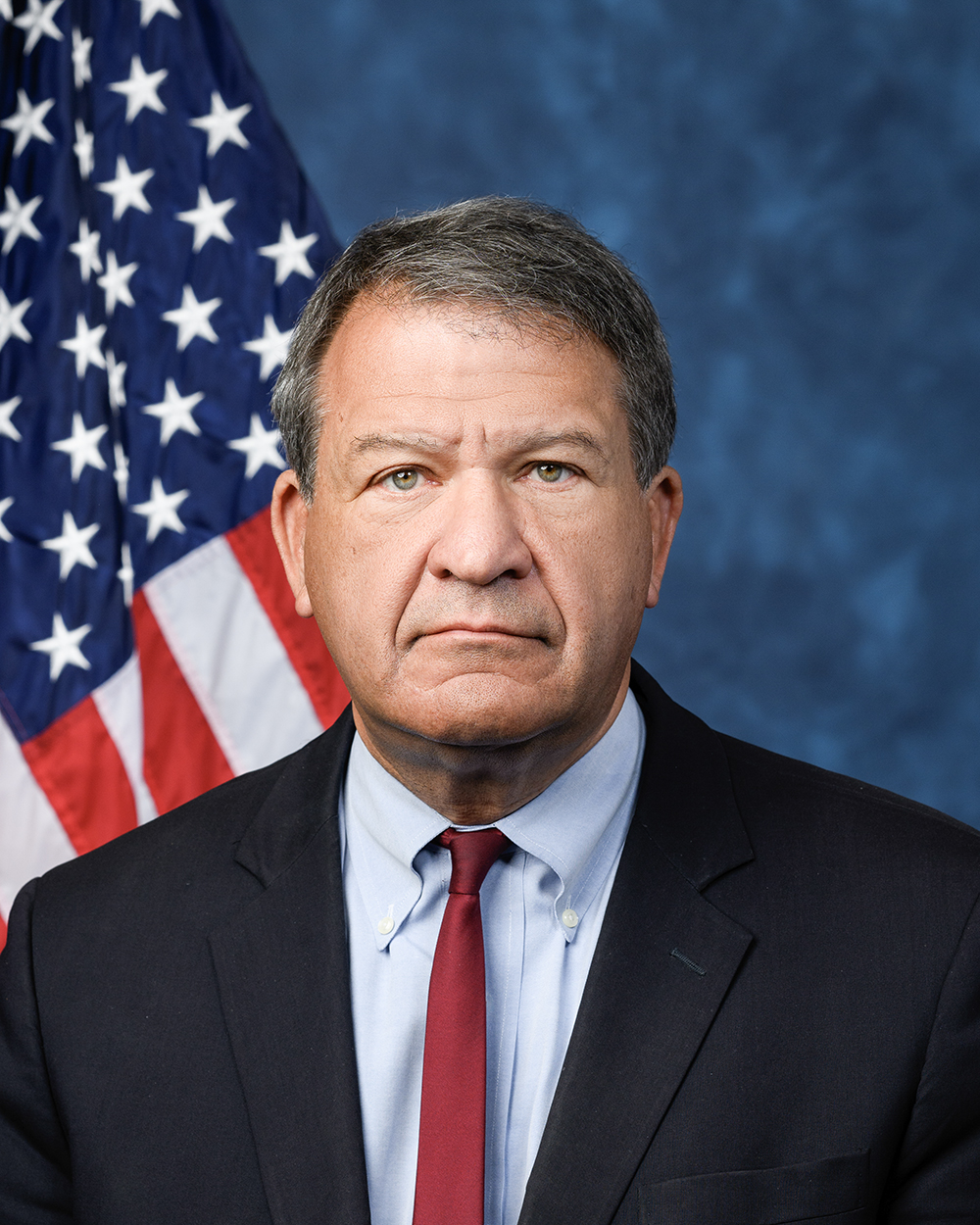
George Latimer
George Latimer House · District 16
D
Strong −
13% 67
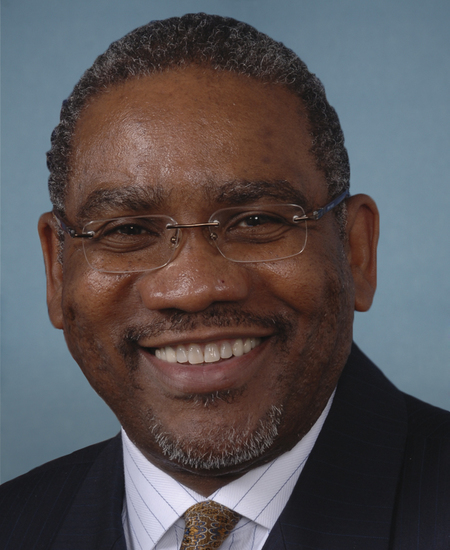
Gregory W. Meeks
Gregory W. Meeks House · District 5
D
Strong −
14% 66
Showing 1,711–1,720 of 2,067 bills

All budget & taxes bills

in committee · United States · House Jan 28, 2025

HCONRES 4: Expressing the sense of Congress that tax-exempt fraternal benefit societies have historically provided and continue to provide critical benefits to the people and communities of the United States.

HCONRES 4 is a symbolic resolution expressing Congress's support for tax-exempt fraternal benefit societies (like mutual aid organizations). It recognizes these groups, which have over 7 million members nationwide, as historically and currently providing critical community benefits - including life/health insurance, charitable work, and volunteer services - valued at over $3.8 billion annually. The resolution affirms that their tax-exempt status under Section 501(c)(8) of the Internal Revenue Code remains beneficial and should continue to be promoted. This is a non-binding expression of congressional sentiment, not a policy change.
in committee · United States · House Feb 4, 2025

HRES 91: Providing amounts for the expenses of the Committee on the Budget in the One Hundred Nineteenth Congress.

HRES 91 allocates $11,990,000 for the operational expenses of the House Committee on the Budget during the 119th Congress, including staff salaries and committee-related costs. The funding is split equally between two sessions: $5,995,000 for expenses from January 2025 to January 2026, and $5,995,000 for expenses from January 2026 to January 2027. Payments require vouchers signed by the Committee Chairman and approved by the Committee on House Administration, following its established regulations. This resolution directly affects the Committee on the Budget's ability to function within its allocated budget for the congressional term.
Sub-Topics Appropriations
in committee · United States · Senate Apr 8, 2025

S 1323: The Facilitating Increased Resilience, Environmental Weatherization And Lowered Liability (FIREWALL) Act

This bill creates a refundable tax credit for homeowners who make specific disaster-prevention improvements to their primary residence. It allows a 50% credit on qualified expenses (up to $25,000 per household) for work like reinforcing roofs, installing flood barriers, adding fire-resistant materials, or creating storm shelters, as defined by FEMA standards. The credit applies only to homes located in areas with recent federal disaster declarations for wildfires, hurricanes, floods, or windstorms. Expenses covered by government funds are excluded, and the credit becomes available for 2025 tax returns and later.
Sub-Topics Tax Credits
in committee · United States · Senate Jan 8, 2025

S 35: Homeowners Premium Tax Reduction Act of 2025

This bill would allow homeowners to deduct up to $10,000 annually in homeowners insurance premiums paid for their primary residence from their taxable income. It directly affects individual homeowners who pay for insurance on their main home, reducing their taxable income by the amount of eligible premiums (up to $10,000 per year). The key provision creates a new tax deduction under the Internal Revenue Code, calculated when determining adjusted gross income. The deduction applies to premiums paid for policies covering the principal residence, as defined in existing tax law. The change would take effect for tax years beginning after the bill's enactment.
in committee · United States · House Dec 19, 2025

HR 6912: Remotely Piloted Aircraft Crews Tax Relief Act

This bill expands tax benefits for military personnel by adding drone operators to the existing combat zone tax exclusion under the Internal Revenue Code. It specifically includes "the operation of a remotely piloted aircraft in a combat zone" and related intelligence/support activities certified by the Secretary of Defense as directly supporting combat operations. The change affects military personnel who operate drones in active combat zones, extending tax-free compensation they previously received. This provision modifies existing tax law to cover drone crews' service, applying to compensation received after the bill's enactment.
in committee · United States · Senate Sep 18, 2025

S 2867: Uplifting First-Time Homebuyers Act of 2025

This bill increases the limit for penalty-free withdrawals from retirement accounts for first-time homebuyers. It amends the tax code to raise the maximum amount from $10,000 to $50,000 per individual for qualified first-time homebuyer distributions. This change directly affects first-time homebuyers who need to access retirement savings to purchase a home without incurring early withdrawal penalties. The provision applies to taxable years beginning after December 31, 2024.
Sub-Topics Homeownership
in committee · United States · Senate Jul 31, 2025

S 2631: Saving NIST’s Workforce Act

S 2631, the "Saving NIST’s Workforce Act," prevents the National Institute of Standards and Technology (NIST) from implementing layoffs until full-year funding for fiscal year 2026 is secured. The bill imposes a moratorium on reductions in force under federal workforce laws until Congress passes the 2026 budget. This directly affects NIST employees by halting potential workforce cuts during the budget gap. The key mechanism is a temporary legal barrier requiring Congress to enact 2026 funding before NIST can reduce its staff.
in committee · United States · Senate Jul 30, 2025

S 2530: CREATE Act

The CREATE Act increases tax deduction limits for eligible audio and television productions, raising the annual cap from $15 million to $30 million and the secondary limit from $20 million to $40 million. It adds annual inflation adjustments to these limits starting in 2027, tying increases to the cost-of-living index. The bill extends the program's expiration date from 2025 to 2030, applying to productions commencing after December 31, 2025. This directly affects media production companies qualifying for these tax benefits under IRS Section 181.
in committee · United States · House Aug 8, 2025

HR 4933: Research and Development Tax Credit Expansion Act of 2025

HR 4933, the Research and Development Tax Credit Expansion Act of 2025, expands tax benefits for small businesses conducting research. It increases the refundable R&D credit rate to 20% (from 14%) for qualified small businesses, adjusts credit amounts for inflation annually, and allows the credit to be refunded against unemployment taxes instead of just income taxes. The bill broadens eligibility by raising the gross receipts threshold from $5 million to $10 million for "qualified small businesses" and modifies rules for calculating credits in early years of research activity. These changes apply to taxable years beginning after December 31, 2025, directly affecting qualifying small businesses with under $25 million in annual revenue.
Sub-Topics Business Taxes Tax Credits Tax Incentives Tags Small Business
in committee · United States · Senate Mar 25, 2025

S 1108: Tax Cuts for Veterans Act of 2025

S 1108, the Tax Cuts for Veterans Act of 2025, excludes specific military retirement and disability benefits from taxable income for veterans. It directly affects veterans receiving retirement pay under Titles 10 or 14 U.S. Code, or disability-related payments under Titles 10, 14, 37, or 38 U.S. Code. The bill amends the Internal Revenue Code to remove these benefits from gross income calculations, effectively reducing taxable income for qualifying veterans. This policy change applies to taxable years beginning after the bill's enactment, providing immediate tax relief for affected veterans.
Showing 1,711 to 1,720 of 2,067 bills