

Issue · Budget & Taxes
Budget & Taxes
Every budget & taxes bill, vote, and legislator stance in United States, automatically classified by Maddy, our AI policy reader.
Total bills
2,101
119th Congress
Top supporter
Clay Fuller
87% support rate
Top opponent
Eleanor Holmes Norton
0% support rate
Ranked legislators
10
5 support · 5 oppose
Key legislators
Who's moving budget & taxes in United States
| Legislator | Party | Stance | Support rate | Decisive votes |
|---|---|---|---|---|
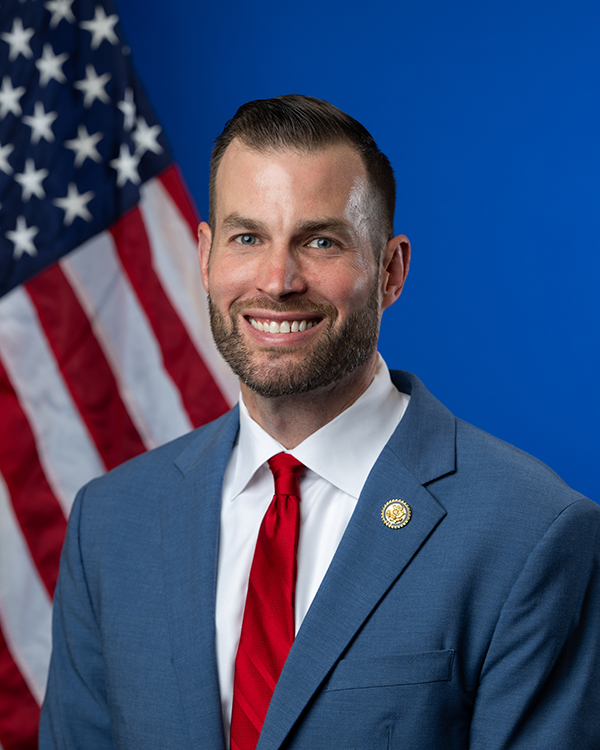
Clay Fuller
House · District 14
|
R |
Strong +
|
87% | 46 |
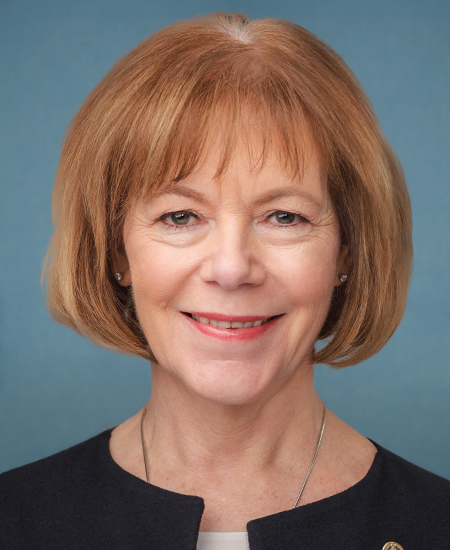
Tina Smith
Senate
|
D |
Strong +
|
83% | 77 |

Andrew Ogles
House · District 5
|
R |
Strong +
|
83% | 65 |
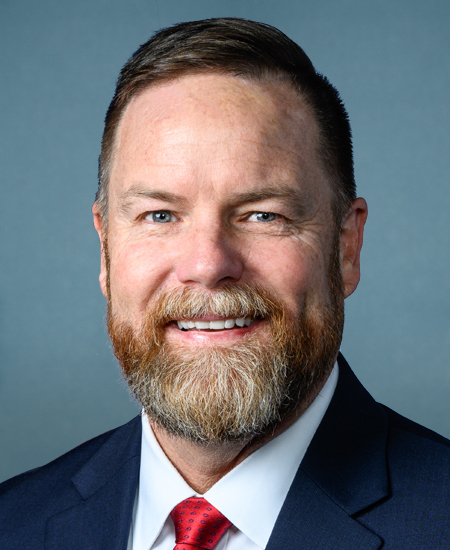
Aaron Bean
House · District 4
|
R |
Strong +
|
83% | 69 |
Ben Cline
House · District 6
|
R |
Strong +
|
83% | 69 |
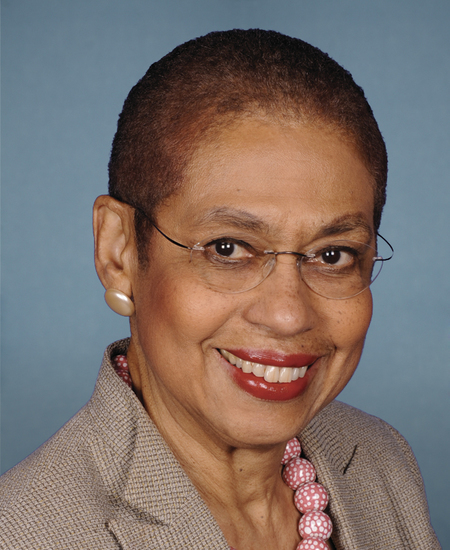
Eleanor Holmes Norton
House · District At-Large
|
D |
Strong −
|
0% | 26 |
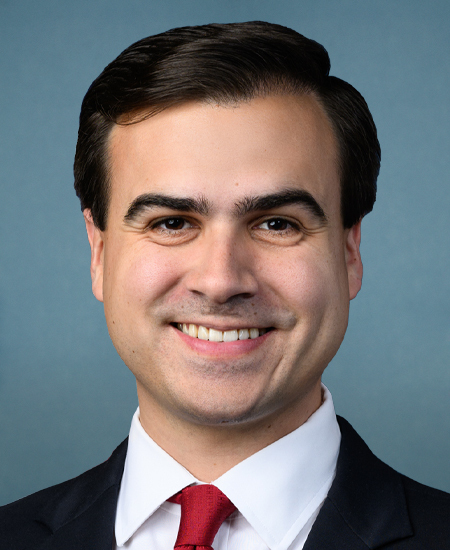
Pablo José Hernández
House · District At-Large
|
D |
Strong −
|
7% | 28 |
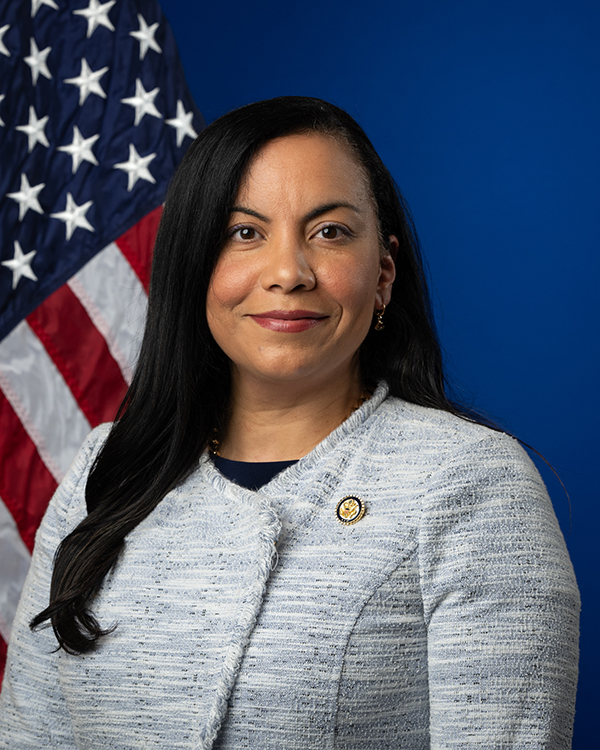
Analilia Mejia
House · District 11
|
D |
Strong −
|
13% | 45 |
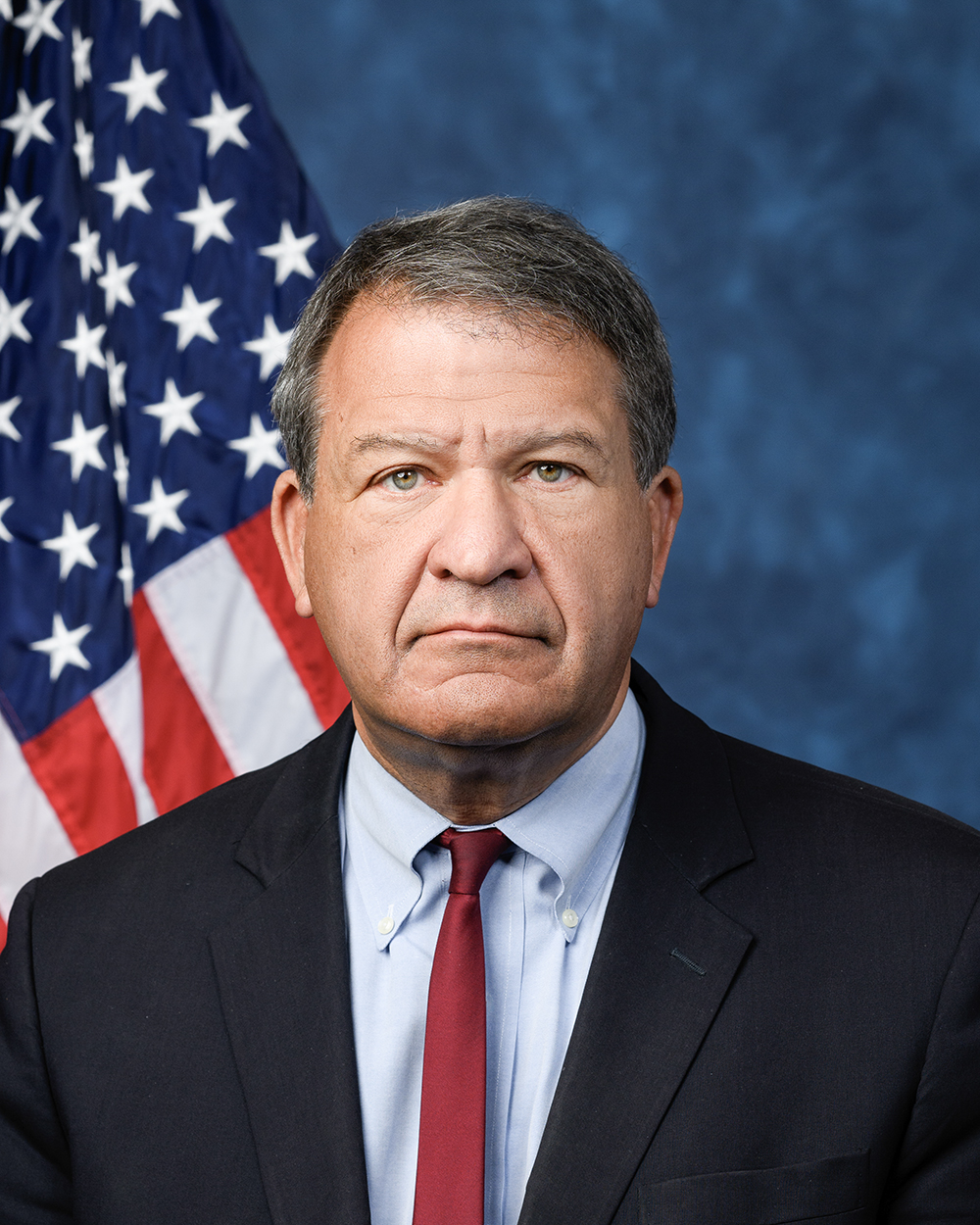
George Latimer
House · District 16
|
D |
Strong −
|
13% | 67 |
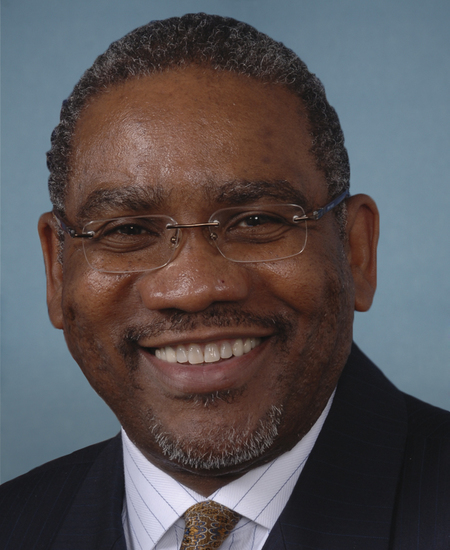
Gregory W. Meeks
House · District 5
|
D |
Strong −
|
14% | 66 |
Showing 1,621–1,630 of 2,101
bills
All budget & taxes bills
HR 4548: Small Nonprofit Retirement Security Act of 2025
Topics
✓ Budget & TaxesSupports Budget & TaxesBill creates tax credit for nonprofits' payroll taxes, reducing their tax liability to encourage retirement plans. This provides tax relief, aligning with SUPPORT indicators for tax policy.
✓ Labor & EmploymentSupports Labor & EmploymentBill expands retirement benefits for nonprofit employees by creating tax credits for retirement plans, directly supporting worker benefits under employment standards.
HR 2872: RESILIENCE Act of 2025
S 2189: Equal Access to Reproductive Care Act
Topics
✓ Budget & TaxesSupports Budget & TaxesAmends tax code to allow medical expense deductions for reproductive services, providing tax relief to eligible taxpayers.
✓ HealthcareSupports HealthcareBill expands healthcare access by classifying assisted reproductive services as deductible medical expenses, reducing costs for IVF, surrogacy, and egg/sperm donation, directly improving patient access to reproductive care.
S 3167: No Troops in Our Streets Act of 2025
Topics
✓ Budget & TaxesSupports Budget & TaxesAllocates $900M for state/local law enforcement funding, directly supporting public safety budget allocations under fiscal management.
✓ Criminal JusticeSupports Criminal JusticeRestricts military involvement in domestic policing, aligning with civil rights protections and reducing militarization of law enforcement under criminal justice reform.
Sub-Topics
Law Enforcement
S 2103: Healthy Food Financing Initiative Reauthorization Act of 2025
Topics
✓ Budget & TaxesSupports Budget & TaxesAllocates $25M-$50M annually for food access programs via Commodity Credit Corp, increasing government spending on public service.
✓ HealthcareSupports HealthcareBill increases federal funding for Healthy Food Financing Initiative to expand access to healthy food in underserved communities, addressing nutrition as a component of healthcare.
S 2002: REMIT Act
Topics
✓ Budget & TaxesSupports Budget & TaxesImposes 15% tax on international remittances, generating new IRS revenue to fund government operations, aligning with fiscal responsibility and budget strengthening.
✗ ImmigrationOpposes ImmigrationBill imposes financial penalties on remittances sent by non-citizens, restricting immigrant access to financial services and increasing economic barriers for immigrants.
S 584: Tax Fairness for Survivors Act
Topics
✓ Budget & TaxesSupports Budget & TaxesExempts survivors' settlements from federal taxes, providing direct tax relief. Aligns with support indicators for tax relief to vulnerable groups.
✓ Labor & EmploymentSupports Labor & EmploymentExempts tax on harassment settlement funds, protecting survivors' financial recovery under workplace rights.
HR 6236: BOOST Act of 2025
S 2882: Continuing Appropriations and Extensions and Other Matters Act, 2026
Topics
✓ Budget & TaxesSupports Budget & TaxesMaintains current funding levels for essential programs including health, veterans, and defense services without cuts or tax changes.
✓ HealthcareSupports HealthcareMaintains funding for community health centers, Medicare, and veterans' healthcare services, preserving existing coverage and access without cuts or restrictions.
✓ TransportationSupports TransportationBill explicitly authorizes funding for Transportation department, maintaining existing program levels without defunding or restrictions.
✓ VeteransSupports VeteransBill explicitly authorizes funding for Veterans Affairs and extends veterans' benefits per summary, directly advancing veteran services.