Issue · Budget & Taxes

Budget & Taxes

Every budget & taxes bill, vote, and legislator stance in United States, automatically classified by Maddy, our AI policy reader.

Total bills
2,101
119th Congress
Top supporter
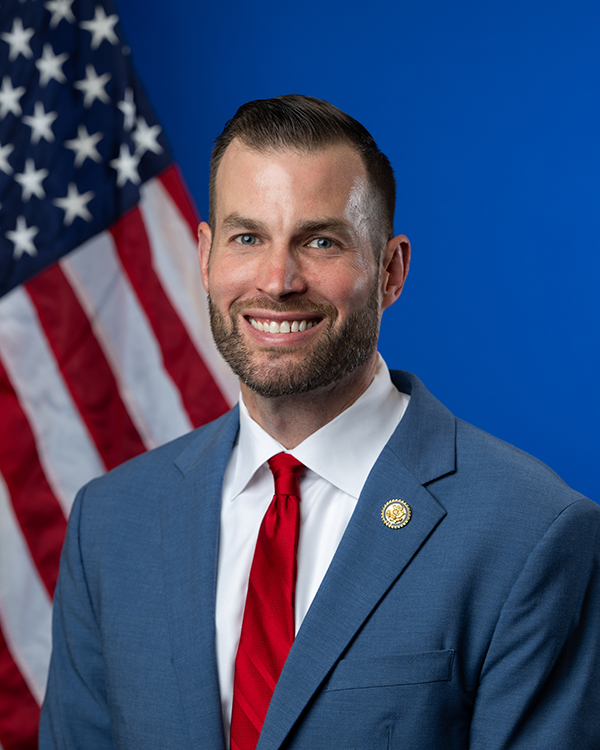
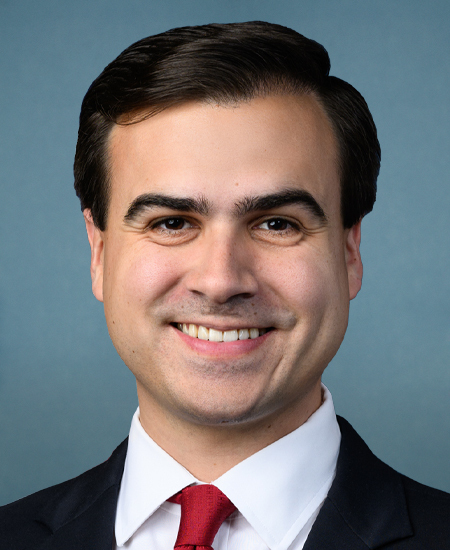
Clay Fuller
87% support rate
Top opponent
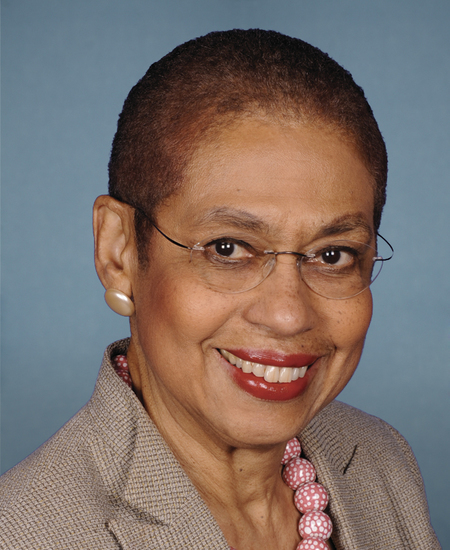
Eleanor Holmes Norton
0% support rate
Ranked legislators
10
5 support · 5 oppose
Key legislators

Who's moving budget & taxes in United States

Legislators moving budget & taxes in United States
Legislator Party Stance Support rate Decisive votes
Clay Fuller
Clay Fuller House · District 14
R
Strong +
87% 46
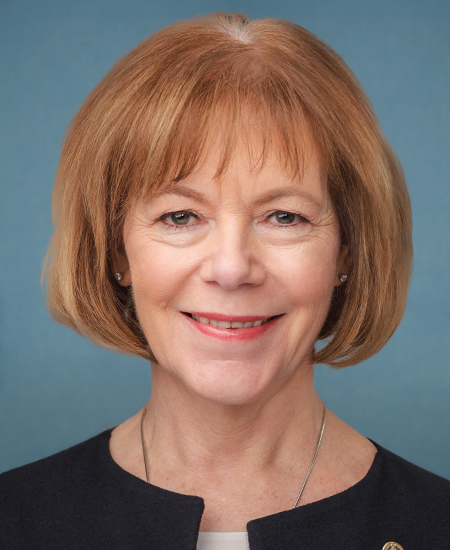
Tina Smith
Tina Smith Senate
D
Strong +
83% 77
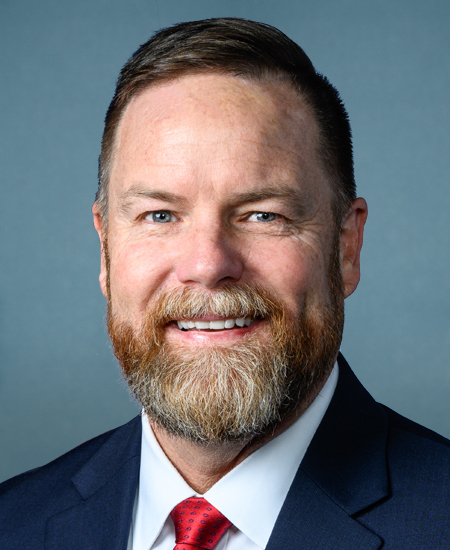
Andrew Ogles
Andrew Ogles House · District 5
R
Strong +
83% 65
Aaron Bean
Aaron Bean House · District 4
R
Strong +
83% 69
Ben Cline
Ben Cline House · District 6
R
Strong +
83% 69
Eleanor Holmes Norton
Eleanor Holmes Norton House · District At-Large
D
Strong −
0% 26
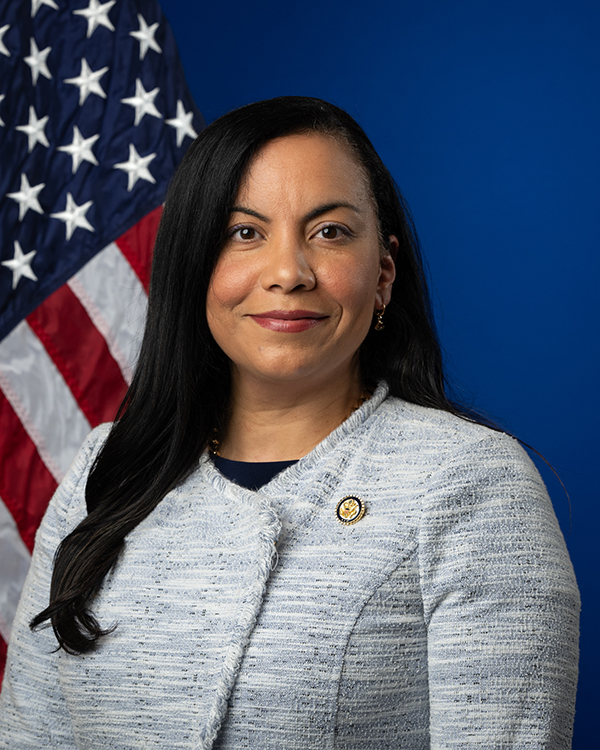
Pablo José Hernández
Pablo José Hernández House · District At-Large
D
Strong −
7% 28
Analilia Mejia
Analilia Mejia House · District 11
D
Strong −
13% 45
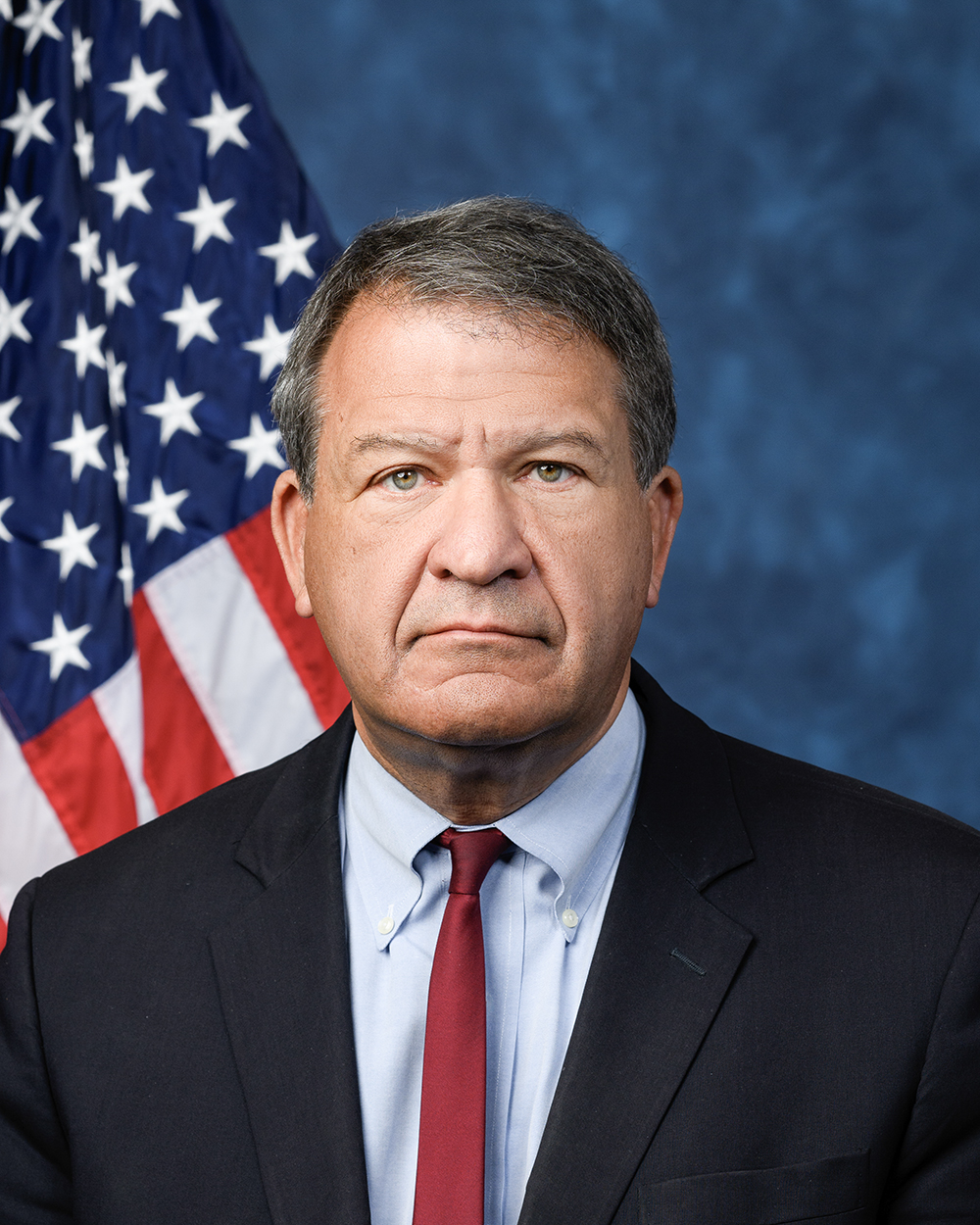
George Latimer
George Latimer House · District 16
D
Strong −
13% 67
Gregory W. Meeks
Gregory W. Meeks House · District 5
D
Strong −
14% 66
Showing 1,401–1,410 of 2,101 bills

All budget & taxes bills

in committee · United States · House Jan 9, 2026

HR 6999: Tax Relief for Fraud Victims Act

HR 6999, the Tax Relief for Fraud Victims Act, provides tax relief for individuals who experience theft losses involving fraud, deceit, or misrepresentation. It removes a limitation on deducting personal casualty losses and allows victims to elect to treat such fraud-related theft losses as occurring in the year the loss happened (rather than when discovered). The bill also extends the deadline for filing refund claims related to these losses to one year after discovery and applies similar rules to early retirement withdrawals tied to such thefts. These changes apply to losses sustained in taxable years beginning after December 31, 2025.
in committee · United States · House Dec 17, 2025

HR 6793: Public Shipyard Workforce Protection Act of 2025

This bill prohibits using fiscal year 2026 Department of Defense funds to implement hiring freezes, layoffs, or unnecessary delays in filling vacant positions at public shipyards. It directly affects public shipyards and their Federal civilian employees by preventing workforce reductions without justification. The key provision blocks specific personnel actions - hiring freezes, layoffs, and unfounded hiring delays - using Defense Department funding. This is a procedural measure focused on preserving existing workforce stability at these facilities.
Sub-Topics Public Employees
in committee · United States · House Feb 10, 2026

HR 7468: First-Time Home Buyer Empowerment Act

This bill amends the tax code to allow first-time homebuyers to use funds from 529 college savings plans for home purchases without tax penalties, under specific conditions. It permits tax-free withdrawals of the original contributions (plus earnings) if the account was maintained for 15 years, the funds are used within 60 days for a first home purchase, and the total lifetime withdrawals do not exceed $35,000. If the home is sold within 5 years, a recapture tax may apply based on the time held. It directly affects first-time homebuyers who have maintained 529 plans for 15 years and use the funds for qualifying home purchases.
Sub-Topics Homeownership
in committee · United States · House Jan 8, 2026

HR 6985: Facilitating Useful Loss Limitations to Help Our Unique Service Economy (FULL HOUSE) Act

This bill limits tax deductions for gambling losses to only the amount of gambling gains earned in the same year. It directly affects individuals who report gambling income on their tax returns, requiring them to offset losses against prior gambling winnings rather than using losses to reduce other taxable income. The key provision amends the tax code to restrict wagering loss deductions under Section 165(d), making losses deductible only up to the level of gambling gains. The rule applies to taxable years beginning after December 31, 2025.
in committee · United States · House Jan 13, 2026

HR 7041: Earmark Elimination Act of 2026

HR 7041, the Earmark Elimination Act of 2026, prohibits the U.S. House of Representatives from considering any bill, resolution, or amendment containing a congressional earmark, limited tax benefit, or limited tariff benefit. It defines an earmark as a special spending request for a specific district or entity, a tax break for 10 or fewer beneficiaries with non-uniform rules, or a tariff change benefiting 10 or fewer entities. If such a provision is included, a point of order can be raised to strike it from the bill without debate. This rule change directly affects how House legislation is processed, preventing targeted spending or tax provisions from advancing. The bill does not alter existing laws but modifies House procedural rules to eliminate these specific types of provisions from consideration.
in committee · United States · House Feb 20, 2026

HR 7620: CHEERS Act of 2026

This bill changes tax depreciation rules for specific equipment used in restaurants and bars. It classifies "qualified energy-efficient draft alcohol property" (like stainless steel/aluminum containers and tap systems for serving alcohol) as 15-year property for tax purposes, allowing faster depreciation deductions. The change applies to equipment installed after December 31, 2025, and directly affects restaurant, bar, and entertainment venue owners who purchase this equipment. The bill does not alter tax rates or create new programs, only modifying how eligible equipment is treated under existing tax code provisions.
in committee · United States · House Feb 20, 2026

HR 7610: To amend the Internal Revenue Code of 1986 to establish a credit for adult child caregivers.

HR 7610 creates a new $2,000 annual tax credit for adult children who provide care to elderly relatives living in the same household. To qualify, the caregiver must be 18+ (or 16+ emancipated), live with the relative for at least 6 months, and provide 10+ hours weekly of assistance with daily living tasks (like meal prep, managing money, or mobility). The elderly relative must be 55+, unable to perform key activities independently (such as bathing or shopping), and require care for at least 180 days. The credit phases out for single filers earning over $75,000 (or $150,000 for joint filers) and applies only to tax years beginning after December 31, 2026.
Sub-Topics Tax Credits Tags Seniors
in committee · United States · House Feb 5, 2026

HR 7408: Water Project Navigators Act

HR 7408 establishes the Water Project Navigators Program, which provides federal grants to eligible entities like states, tribes, local water districts, and nonprofits. The program funds "navigators" to help disadvantaged communities, rural areas, and tribal nations develop multi-benefit water projects that improve water access, climate resilience, and ecosystem health. Key provisions include prioritizing applications serving underserved communities, limiting federal funding to 75% of project costs (with waivers for financial hardship), and authorizing $15 million annually for fiscal years 2027-2032. Navigators assist with grant writing, project planning, and technical support to address water supply imbalances and infrastructure needs.
in committee · United States · House Feb 4, 2026

HR 7349: Time to Heal Act

This bill increases the home sale exclusion for surviving spouses from $250,000 to $500,000 under specific conditions. It directly affects individuals who sell their primary residence after their spouse's death, provided they met the original home sale exclusion requirements before the spouse's death and have not remarried at any time after the spouse's death until the sale occurs. The key provision amends the Internal Revenue Code to substitute $500,000 for $250,000 in calculating the exclusion for qualifying sales. The change applies to taxable years beginning after the bill's enactment date.
in committee · United States · Senate Feb 10, 2025

S 68: Complete COVID Collections Act

S.68, the Complete COVID Collections Act, extends the deadline for prosecuting fraud related to pandemic relief programs to 10 years and streamlines collection processes for small business loans. It requires the Small Business Administration to refer claims under $100,000 to the Treasury for collection, mandates monthly reports to Congress on collection efforts, and demands monthly DOJ reports detailing fraud prosecutions and recovered funds. The bill directly affects businesses that received CARES Act loans, restaurant grants, or venue operator funds, as well as the SBA, Treasury, and DOJ. Key provisions include standardizing fraud enforcement timelines across all covered programs and requiring public transparency on recovered funds through the Pandemic Response Accountability Committee.
Showing 1,401 to 1,410 of 2,101 bills