

Issue · Budget & Taxes
Budget & Taxes (Tax Credits)
Every budget & taxes bill, vote, and legislator stance in United States, automatically classified by Maddy, our AI policy reader.
Total bills
381
119th Congress
Top supporter
Adam B. Schiff
100% support rate
Top opponent
Ashley Moody
0% support rate
Ranked legislators
10
5 support · 5 oppose
Key legislators
Who's moving tax credits in United States
| Legislator | Party | Stance | Support rate | Decisive votes |
|---|---|---|---|---|

Adam B. Schiff
Senate
|
D |
Strong +
|
100% | 10 |

Alex Padilla
Senate
|
D |
Strong +
|
100% | 10 |

Amy Klobuchar
Senate
|
D |
Strong +
|
100% | 10 |

Andy Kim
Senate
|
D |
Strong +
|
100% | 10 |

Angela D. Alsobrooks
Senate
|
D |
Strong +
|
100% | 10 |

Ashley Moody
Senate
|
R |
Strong −
|
0% | 10 |

Bernie Moreno
Senate
|
R |
Strong −
|
0% | 10 |
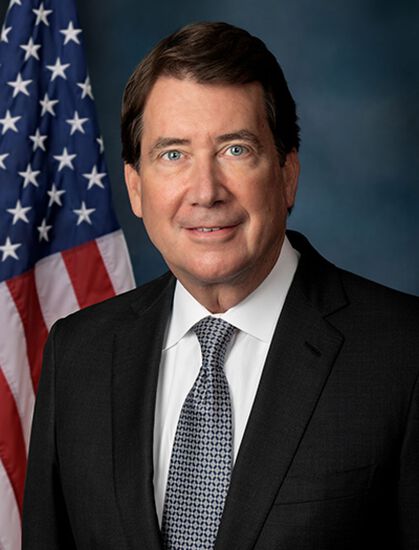
Bill Hagerty
Senate
|
R |
Strong −
|
0% | 10 |

Chuck Grassley
Senate
|
R |
Strong −
|
0% | 10 |
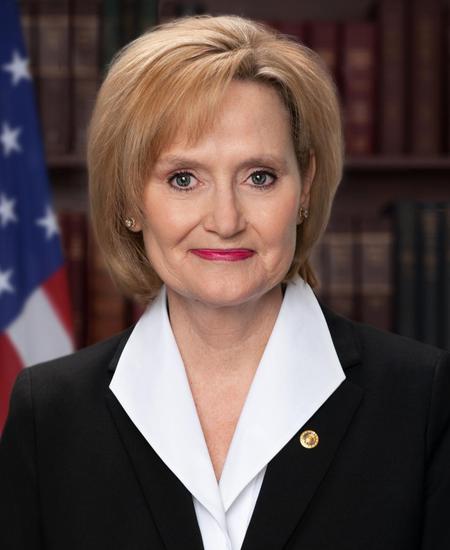
Cindy Hyde-Smith
Senate
|
R |
Strong −
|
0% | 10 |
Showing 121–130 of 381
bills
All budget & taxes bills
HR 1414: Cameron’s Law
Topics
✓ Budget & TaxesSupports Budget & TaxesBill increases tax credit for pharmaceutical companies from 25% to 50%, providing direct tax relief via amended tax code, aligning with tax policy support indicators.
✓ HealthcareSupports HealthcareIncreases tax credit for orphan drug R&D, incentivizing treatments for rare diseases. Directly funds healthcare innovation and improves patient access to rare disease therapies.
Sub-Topics
Tax Credits
HR 1425: To amend the Internal Revenue Code of 1986 to increase the amount of the child tax credit, to make such credit fully refundable, to remove income limitations from such credit, and for other purposes.
Topics
✓ Budget & TaxesSupports Budget & TaxesIncreases child tax credit to $5,000, makes it fully refundable, and removes income limits to provide direct tax relief to low/middle-income families.
✓ EducationSupports EducationBill increases child tax credit and removes income limits, improving financial access for families with children, indirectly supporting educational access and stability
Sub-Topics
Tax Credits
HR 1881: Methane Reduction and Economic Growth Act
Topics
✓ Budget & TaxesSupports Budget & TaxesCreates tax credit for methane capture, offering business tax relief under modified carbon capture rules, aligning with tax incentive support.
✓ EnergySupports EnergyBill incentivizes methane capture for energy use, promoting cleaner energy infrastructure through tax credits for emissions reduction in mining operations.
✓ EnvironmentSupports EnvironmentBill provides tax credit for methane capture from mining, directly reducing emissions (a key climate pollutant) and aligning with environmental protection goals through financial incentives for pollution control.
HR 2603: Small Business Tax Fairness and Compliance Simplification Act
HR 3155: Child Care for American Families Act
Topics
✓ Budget & TaxesSupports Budget & TaxesIncreases employer tax credits (25%→40%) for child care, providing tax relief and incentivizing business investment in family services, aligning with tax relief indicators for support.
✓ Labor & EmploymentSupports Labor & EmploymentBill increases tax credits for employers providing child care, directly supporting workers' ability to maintain employment through expanded benefits and workplace support services.
HR 2338: WRCR Act of 2025
Topics
✓ Budget & TaxesSupports Budget & TaxesExpands EITC to include qualifying students (lower income), lowers age requirement, and increases credit percentages, providing tax relief for lower-income individuals.
✓ Labor & EmploymentSupports Labor & EmploymentExpands EITC to include students (age 18+), treats care-giving/learning as 'compensated work', and increases credit percentages. Directly strengthens worker benefits and income support for low-income earners.
HR 2994: Child and Dependent Care Tax Credit Enhancement Act of 2025
Topics
✓ Budget & TaxesSupports Budget & TaxesEnhances tax credit for childcare, providing relief to families and strengthening tax support for dependents through increased credit rates and amounts.
✓ Labor & EmploymentSupports Labor & EmploymentBill expands tax credit for childcare, reducing a key barrier to workforce participation and supporting working families' financial stability.
Sub-Topics
Tax Credits
HR 2940: Advancing Water Reuse Act
Topics
✓ Budget & TaxesSupports Budget & TaxesCreates 30% tax credit for water recycling investments, providing direct tax relief to businesses, aligning with tax policy support
✓ EnvironmentSupports EnvironmentPromotes water conservation by incentivizing industrial recycling systems, reducing freshwater demand and supporting resource sustainability through tax credits.
HR 2900: PACE Act
Topics
✓ Budget & TaxesSupports Budget & TaxesIncreases refundable childcare tax credit, providing direct tax relief to lower-income families through expanded benefits and refundability.
✓ Labor & EmploymentSupports Labor & EmploymentIncreases refundable tax credit for childcare expenses, directly supporting workers' ability to afford care while working or job searching, advancing employment access and financial stability.
Sub-Topics
Tax Credits