Issue · Budget & Taxes

Budget & Taxes

Every budget & taxes bill, vote, and legislator stance in United States, automatically classified by Maddy, our AI policy reader.

Total bills
2,101
119th Congress
Top supporter
Clay Fuller
87% support rate
Top opponent
Eleanor Holmes Norton
0% support rate
Ranked legislators
10
5 support · 5 oppose
Key legislators

Who's moving budget & taxes in United States

Legislators moving budget & taxes in United States
Legislator Party Stance Support rate Decisive votes
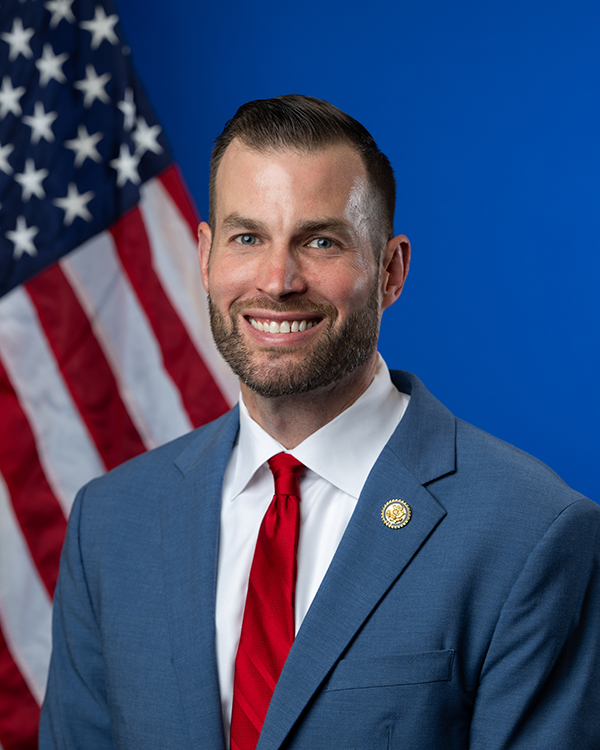
Clay Fuller
Clay Fuller House · District 14
R
Strong +
87% 46
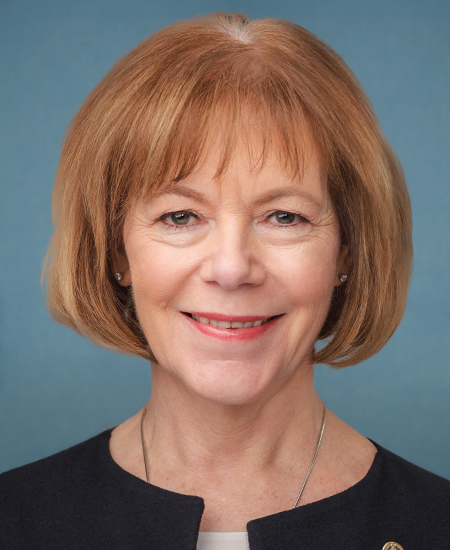
Tina Smith
Tina Smith Senate
D
Strong +
83% 77
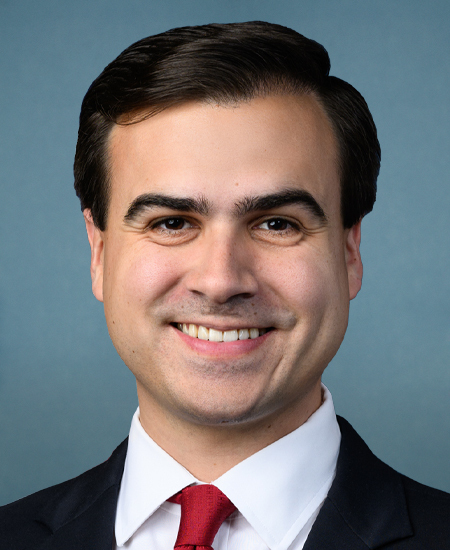
Andrew Ogles
Andrew Ogles House · District 5
R
Strong +
83% 65
Aaron Bean
Aaron Bean House · District 4
R
Strong +
83% 69
Ben Cline
Ben Cline House · District 6
R
Strong +
83% 69
Eleanor Holmes Norton
Eleanor Holmes Norton House · District At-Large
D
Strong −
0% 26
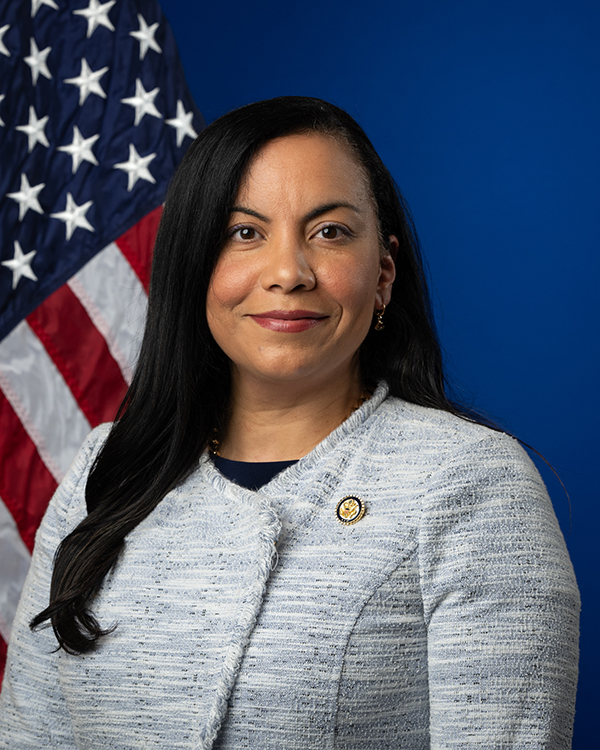
Pablo José Hernández
Pablo José Hernández House · District At-Large
D
Strong −
7% 28
Analilia Mejia
Analilia Mejia House · District 11
D
Strong −
13% 45
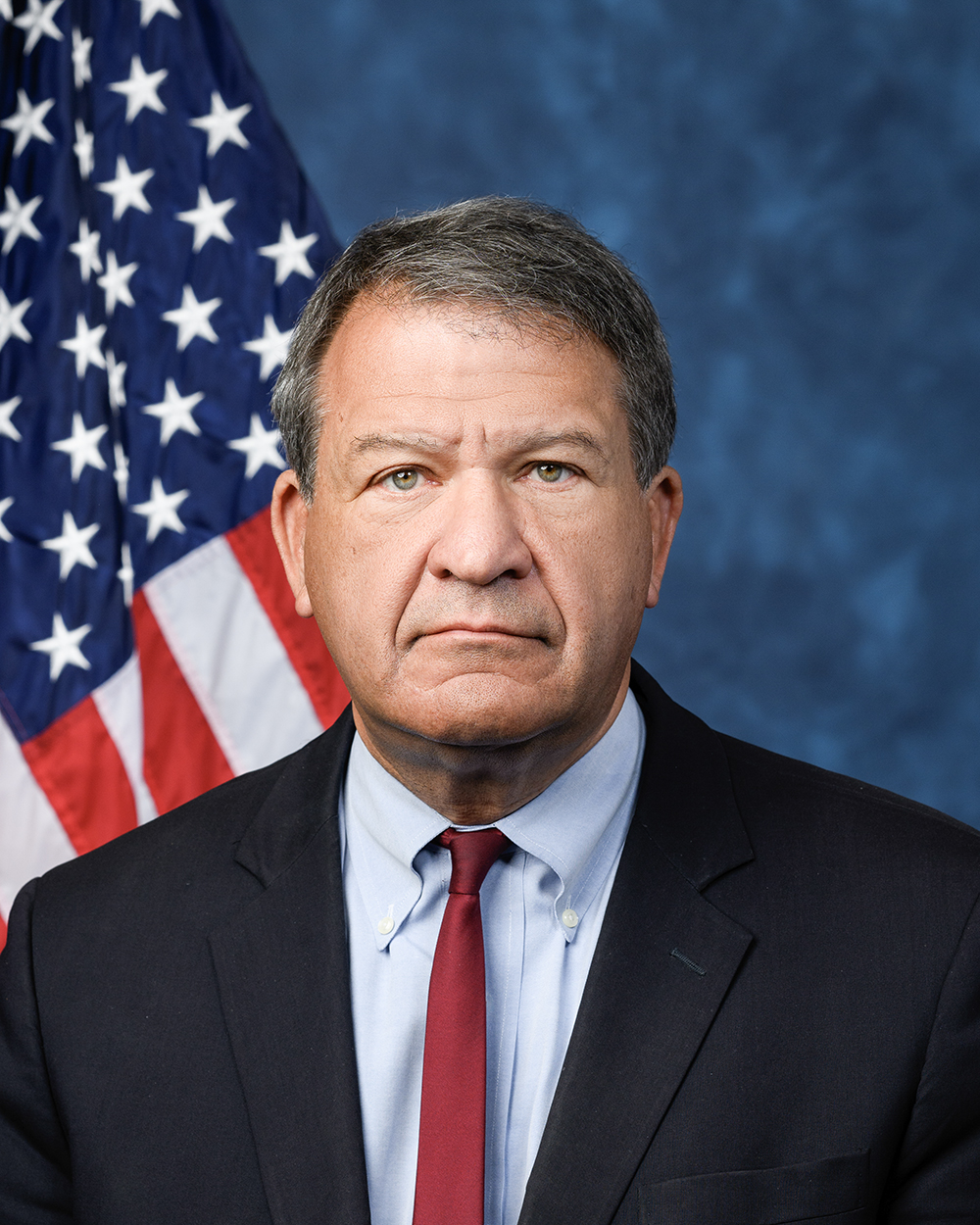
George Latimer
George Latimer House · District 16
D
Strong −
13% 67
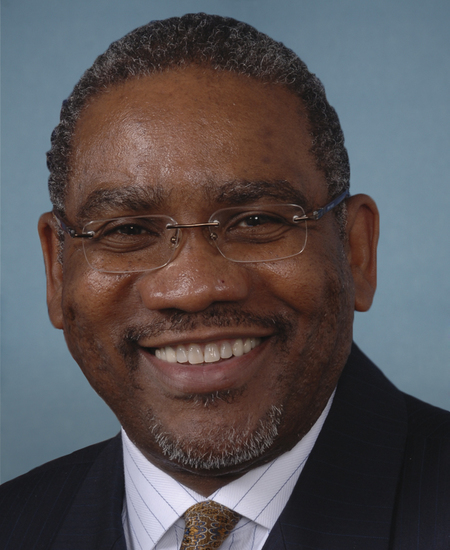
Gregory W. Meeks
Gregory W. Meeks House · District 5
D
Strong −
14% 66
Showing 1,011–1,020 of 2,101 bills

All budget & taxes bills

in committee · United States · House Apr 17, 2025

HR 2956: DISASTER Act of 2025

This bill requires the Office of Management and Budget (OMB) to annually report all federal disaster spending to Congress, covering response, recovery, and mitigation efforts across all relevant agencies. The report must detail total spending, break it down by agency and disaster type, and distinguish between loans and grants, including costs from agencies like FEMA, USDA, and the Department of Housing and Urban Development. It aims to improve budget transparency and help Congress identify cost-saving opportunities by providing a single, public source of disaster spending data. The first report is due for fiscal year 2027, with data for the prior calendar year. This is a transparency measure, not a change to how disaster aid is delivered.
Tags Data Reporting Emergency Management
in committee · United States · House Apr 9, 2025

HR 2760: Middle Class Mortgage Insurance Premium Act of 2025

This bill increases the income limit for deducting mortgage insurance premiums on federal income taxes. It doubles the cap from $100,000 (or $50,000 for married filing separately) to $200,000 (or $100,000 for married filing separately) under IRS Code Section 163(h)(3)(E), making the deduction permanent for qualifying taxpayers. The change directly affects middle-income homeowners who pay mortgage insurance premiums and itemize deductions on their tax returns. The policy takes effect for tax years beginning after December 31, 2025.
Sub-Topics Income Tax
in committee · United States · House Apr 7, 2025

HR 2677: 10th Amendment Restoration Act of 2025

The 10th Amendment Restoration Act of 2025 would establish a Constitutional Government Review Commission to examine federal agencies and determine if their powers are "definitively delegated" by the Constitution. The commission would review each agency's authorizing statute and recommend repealing those not constitutionally justified, with recommendations requiring a simple majority vote. It would also propose how to distribute any resulting federal budget savings to states. The bill includes expedited procedures for Congress to consider the commission's recommendations within 30 days. The commission would operate for 5 years, holding public meetings and publishing all information online.
in committee · United States · House May 13, 2025

HR 3325: CHEERS Act

The CHEERS Act creates a new tax deduction for restaurants, bars, and entertainment venues that purchase energy-efficient draft beer equipment. It amends tax code Section 179D to treat stainless steel or aluminum draft containers and tap systems as "qualified energy-efficient property," allowing businesses to deduct these costs. The deduction applies only to equipment used specifically for distributing and selling alcohol in eligible venues, meeting existing energy efficiency standards. The provision takes effect for equipment placed in service after December 31, 2024.
Sub-Topics Energy Efficiency
in committee · United States · House Oct 3, 2025

HR 3302: Healthy Start Reauthorization Act of 2025

This bill reauthorizes funding for the Healthy Start Initiative, which provides maternal and infant health services to at-risk communities. It specifies $145 million annually for fiscal years 2026 through 2030 to support existing Healthy Start programs. The bill modifies the funding language in the Public Health Service Act to continue these services without changing program requirements. It directly affects local health organizations operating under the Healthy Start Initiative.
in committee · United States · House Apr 3, 2025

HR 2628: American Innovation Act

HR 2628, the American Innovation Act, authorizes significant funding increases for federal science and innovation programs through fiscal year 2036. It sets annual funding levels for the National Science Foundation, Department of Energy’s Office of Science, Department of Defense science programs, National Institute of Standards and Technology, and NASA’s Science Mission Directorate, with amounts rising each year and adjusted annually for inflation using the Consumer Price Index. The bill also exempts these appropriations from automatic spending cuts (sequestration) under the Balanced Budget Act. This legislation directly affects federal research agencies by securing long-term funding for scientific development and technological advancement.
Sub-Topics State Budget
in committee · United States · House Apr 18, 2025

HR 2301: To promote the development of renewable energy on public land, and for other purposes.

HR 2301 sets new national goals for renewable energy production on Federal land, increasing the target from 25% to 60% by 2030. The bill establishes "priority areas" for wind, solar, and geothermal projects on public land and streamlines permitting by allowing delegation to State Renewable Energy Coordination Offices. It creates a revenue-sharing system where 25% of project revenues go to the state, 25% to counties, and 35% (increasing to 40% after 2045) to a Renewable Energy Resource Conservation Fund that supports habitat restoration and recreational access. The bill affects renewable energy developers, Federal land managers, states, counties, and communities near renewable energy projects, while requiring updates to environmental impact statements and balancing development with conservation of wildlife, cultural resources, and other land uses.
in committee · United States · House May 8, 2025

HR 3312: SERVICE Act of 2025

The SERVICE Act of 2025 creates a federal grant program to fund local veteran response teams within law enforcement agencies. These teams, composed of veteran officers and community partners, will provide 24/7 crisis response for at-risk veterans, coordinate with the Department of Veterans Affairs, and offer mental health training focused on military-related issues like PTSD. The program directly affects veterans in crisis and law enforcement agencies that receive grants to establish these teams. It requires teams to track outcomes and share best practices, with funding tied to existing crime control grants for fiscal years 2026-2030.
in committee · United States · House Apr 1, 2025

HR 2545: Financing Our Energy Future Act

This bill amends the tax code to expand eligibility for publicly traded partnerships in the clean energy sector. It specifically defines qualifying activities, including generating power from solar/wind (using "qualified energy resources"), operating energy storage systems, processing renewable biomass, and producing low-emission fuels. These partnerships can now qualify for favorable tax treatment if they engage in these defined activities, directly affecting how such businesses structure investments. The changes apply to taxable years beginning after December 31, 2025.
in committee · United States · House Apr 18, 2025

HR 2435: Save Our Small Farms Act of 2025

The Save Our Small Farms Act of 2025 amends crop insurance and disaster assistance programs to better support small and diversified farms. It creates a streamlined application process for small-scale producers, including those using urban production systems, direct-to-consumer models, and diversified farming operations. The bill establishes a revenue-based coverage option using IRS Schedule F tax forms, provides premium discounts (25% for first year, 50% for subsequent years) for farmers transitioning to whole farm insurance plans, and creates a new single index insurance policy to protect against weather-related income losses. The bill specifically targets support for beginning farmers, socially disadvantaged producers, veteran farmers, and those participating in the revenue-based option, with special considerations for farms with less than $350,000 in adjusted gross income.
Tags Agriculture
Showing 1,011 to 1,020 of 2,101 bills