Issue · Healthcare

Healthcare

Every healthcare bill, vote, and legislator stance in Texas, automatically classified by Maddy, our AI policy reader.

Total bills
118
119th Congress
Top supporter
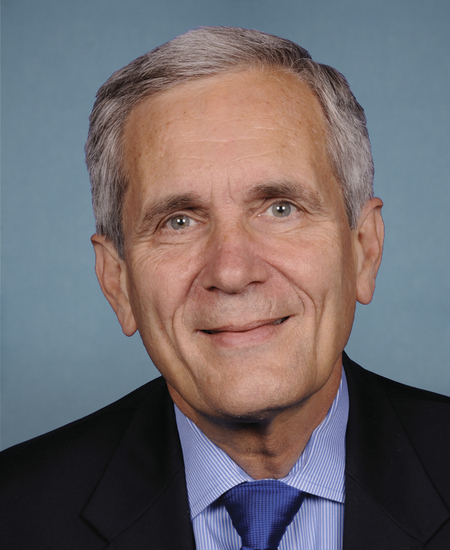
Lloyd Doggett
69% support rate
Top opponent
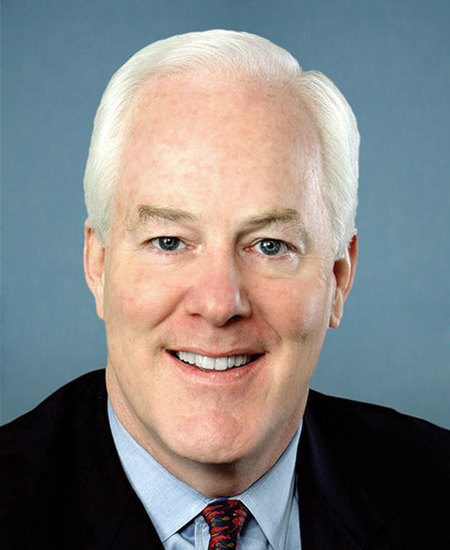
John Cornyn
24% support rate
Ranked legislators
10
5 support · 5 oppose
Key legislators

Who's moving healthcare in Texas

Legislators moving healthcare in Texas
Legislator Party Stance Support rate Votes
Lloyd Doggett
Lloyd Doggett House · District 37
D
Support
69% 207
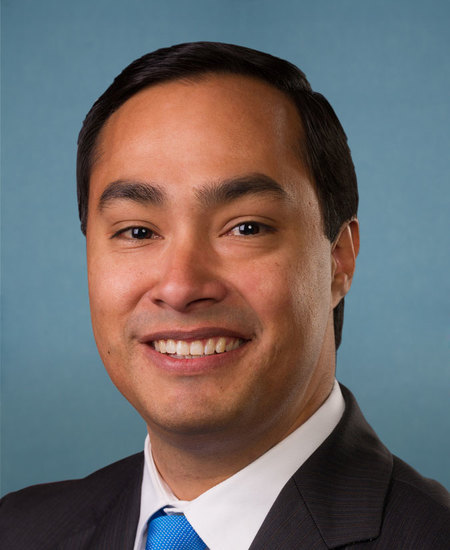
Joaquin Castro
Joaquin Castro House · District 20
D
Support
67% 208
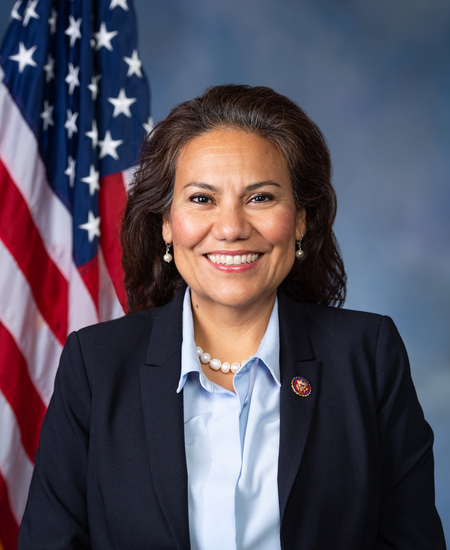
Veronica Escobar
Veronica Escobar House · District 16
D
Support
67% 210
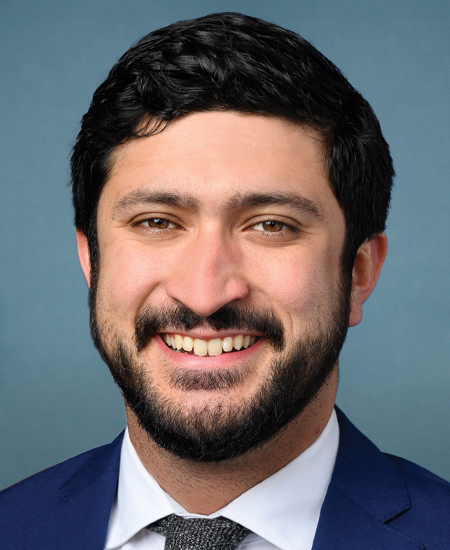
Greg Casar
Greg Casar House · District 35
D
Support
64% 183
Lizzie Fletcher
Lizzie Fletcher House · District 7
D
Support
61% 211
John Cornyn
John Cornyn Senate
R
Oppose
24% 222
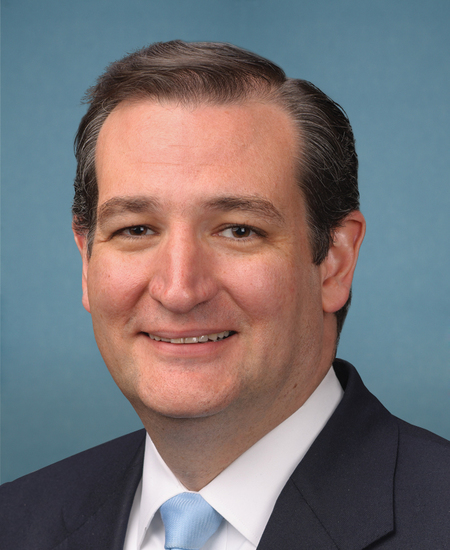
Ted Cruz
Ted Cruz Senate
R
Oppose
27% 218
Brian Babin
Brian Babin House · District 36
R
Oppose
33% 207
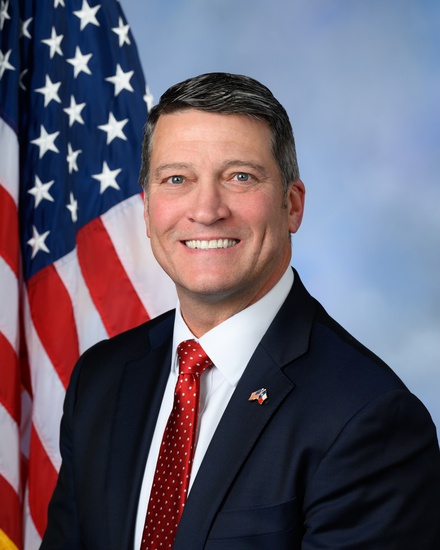
Ronny Jackson
Ronny Jackson House · District 13
R
Oppose
33% 208
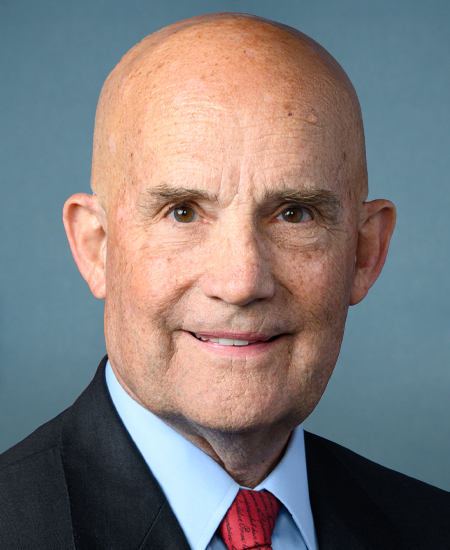
Keith Self
Keith Self House · District 3
R
Oppose
33% 207
Showing 1–10 of 118 bills

All healthcare bills

in committee · United States · House Sep 3, 2026

HR 10268: Ending Restaurant Purchases with SNAP Act of 2026

The Ending Restaurant Purchases with SNAP Act of 2026 would prohibit the use of Supplemental Nutrition Assistance Program (SNAP) benefits to buy meals at restaurants and other private food service establishments. The bill achieves this by removing specific legal provisions from the Food and Nutrition Act of 2008 that currently allow states to run optional restaurant programs for eligible groups such as the elderly, disabled, and homeless individuals. If enacted, these changes would take effect 180 days after the date of enactment, directly affecting SNAP recipients who rely on these state-level options for dining out.
in committee · United States · House Aug 27, 2026

HR 10178: SHIELD Act

The SHIELD Act would prohibit local school districts that receive federal education funds from allowing organizations that provide abortions to distribute information about those services to students on school grounds or through the district's virtual platforms. This ban specifically covers sharing or reposting such materials on social media on behalf of outside abortion providers. The bill defines "abortion-related service" as any medical, surgical, or support care directly related to terminating a pregnancy.
in committee · United States · Senate Jul 30, 2026

S 5202: Protecting Our Kids from Harmful Research Act

The Protecting Our Kids from Harmful Research Act prohibits the use of federal funds to support research or publications regarding gender transition for individuals under the age of 18. This restriction specifically targets studies that aim to affirm a minor's perception or identity when it differs from their sex assigned at birth, as defined by their reproductive biology and genetics. The bill directly affects federal agencies and institutions that might otherwise receive funding to conduct such observational studies on hormonal treatments or surgical procedures for minors. By limiting financial support, the legislation seeks to prevent government resources from being used for research that challenges the biological definition of sex at birth.
in committee · United States · House Jul 22, 2026

HR 9829: ORTHO Act

The ORTHO Act directs the Federal Trade Commission to create new rules requiring dentists to perform an in-person examination before providing most dental services or medical devices through teledentistry. This requirement includes exceptions for emergency care, approved public health programs, and specific orthodontic diagnoses that must still be confirmed by an in-person visit and review of X-rays before a patient begins using an appliance. Violations of these rules would be treated as unfair or deceptive practices, allowing both the FTC and state attorneys general to enforce the law through civil penalties and potential damages. The bill also clarifies that states retain the ability to adopt additional regulations that are consistent with these federal standards.
Sub-Topics Public Health
in committee · United States · House Jul 13, 2026

HR 9656: Illegal Alien Patient Reporting Act

This bill requires hospitals that receive federal health care funding to ask patients about their immigration status during admission and report the results to government agencies. Under the law, hospitals must include a specific statement on intake forms assuring patients that their answers will not affect their medical care or lead to a law enforcement report unless the patient is suspected of certain crimes. Hospitals must also submit quarterly reports detailing how many patients are citizens, lawful residents, or undocumented, along with the number of individuals who refused to answer or failed to provide proof of their legal status. The legislation prohibits hospitals from sharing personal identifying information with the government while allowing them to exclude non-compliant facilities from federal programs. Additionally, the bill mandates an annual report to Congress analyzing the costs of uncompensated care for undocumented patients and its impact on hospital services.
in committee · United States · House Jun 24, 2026

HR 9421: Ban Abortion by Mail Act

This bill, titled the Ban Abortion by Mail Act, aims to restrict how abortion medications like mifepristone are prescribed by requiring an in-person visit between the patient and the doctor. It directly affects health care providers who are currently certified by the FDA to dispense these drugs, threatening their certification status if they prescribe them without a physical examination or to patients living in states where the provider lacks a medical license. The legislation mandates that the FDA report annually to Congress on any providers who lose this certification due to violations or unsafe prescribing practices. By enforcing these specific conditions, the bill seeks to ensure that all prescriptions for abortion drugs are administered under strict supervision and within the legal boundaries of the patient's state.
in committee · United States · Senate Jun 24, 2026

SRES 787: A resolution celebrating the historic anniversary of the June 24, 2022, decision of the Supreme Court of the United States in Dobbs v. Jackson Women's Health Organization.

This Senate resolution commemorates the fourth anniversary of the 2022 Supreme Court decision in Dobbs v. Jackson Women's Health Organization, which overturned the previous federal right to abortion. The document expresses the Senate's support for state authority to regulate abortion and acknowledges the work of pregnancy centers that assist expectant mothers. It formally declares the Senate's commitment to protecting unborn life and supporting families, while noting the ongoing policy challenges related to abortion access. As a symbolic measure, the bill does not create new laws or alter existing regulations but serves to record the Senate's stance on the issue.
Sub-Topics Women's Health
in committee · United States · House Jun 24, 2026

HR 9443: Saving FACE Act of 2026

The Saving FACE Act of 2026 amends federal criminal law to remove penalties for obstructing access to abortion services. It achieves this by changing the name of the relevant statute from "Freedom of Access to Clinics" to "Freedom of Access to Church" and removing the specific definition of abortion from the list of protected activities. Additionally, the bill updates the legal definition of abortion to exclude the intentional termination of a pregnancy, thereby narrowing the scope of the obstruction statute. These changes directly affect individuals who might otherwise face criminal charges for blocking entry to facilities providing abortion care.
Sub-Topics Women's Health
in committee · United States · House Jun 18, 2026

HR 9345: Medicaid Equal Standards Act

The Medicaid Equal Standards Act requires states to implement a resource limit for individuals eligible under the Medicaid expansion, effective January 1, 2029. Under this bill, an individual would lose eligibility if their countable assets exceed $10,000, or $20,000 for married couples, with the limit adjusted every four years based on inflation. States retain some flexibility to set lower limits or include certain assets that are normally excluded from the calculation. The law also ensures that states remain eligible for federal funding even if they deny coverage to people who exceed these asset thresholds.
Sub-Topics Medicaid
in committee · United States · House Apr 30, 2026

HR 8603: Dismemberment Abortion Ban Act of 2026

HR 8603, the Dismemberment Abortion Ban Act of 2026, prohibits physicians from performing abortions that involve dismembering an unborn child and extracting it piece by piece or crushed from the uterus. The law allows exceptions only when the procedure is necessary to save the mother's life, while explicitly permitting other abortion methods for reasons such as rape or incest. It imposes criminal penalties of up to two years in prison or fines on physicians who violate the ban and creates a civil lawsuit system where women or parents of minors can seek monetary damages and attorney fees against providers. The bill also defines an 'unborn child' as a human organism from fertilization until birth and clarifies that the woman undergoing the procedure cannot be prosecuted or held financially liable.
Sub-Topics Women's Health
Showing 1 to 10 of 118 bills
1 2 3 12 Next