

Issue · Healthcare
Healthcare
Every healthcare bill, vote, and legislator stance in Tennessee, automatically classified by Maddy, our AI policy reader.
Total bills
513
114th Regular Session (2025-2026)
Top supporter
Jeremy Faison
100% support rate
Top opponent
Justin Jones
19% support rate
Ranked legislators
10
5 support · 5 oppose
Key legislators
Who's moving healthcare in Tennessee
| Legislator | Party | Stance | Support rate | Decisive votes |
|---|---|---|---|---|
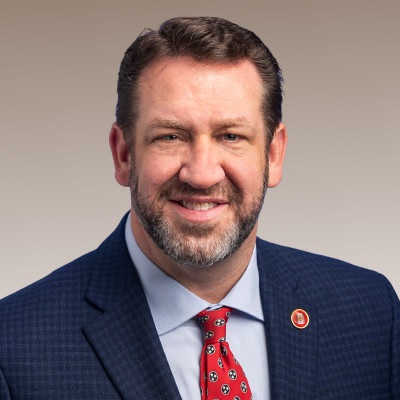
Jeremy Faison
House · District 11
|
R |
Strong +
|
100% | 18 |

Cameron Sexton
House · District 25
|
R |
Strong +
|
100% | 16 |

Tim Rudd
House · District 34
|
R |
Strong +
|
100% | 15 |

Steve Southerland
Senate · District 9
|
R |
Strong +
|
100% | 12 |

Ferrell Haile
Senate · District 18
|
R |
Strong +
|
100% | 11 |

Justin Jones
House · District 52
|
D |
Strong −
|
19% | 16 |

Gabby Salinas
House · District 96
|
D |
Oppose
|
25% | 20 |

Jason Powell
House · District 53
|
D |
Oppose
|
28% | 18 |

Aftyn Behn
House · District 51
|
D |
Oppose
|
29% | 17 |
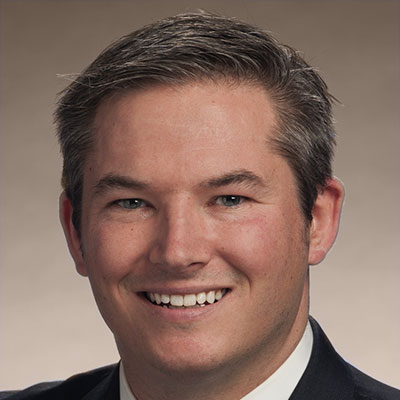
Jeff Yarbro
Senate · District 21
|
D |
Oppose
|
33% | 12 |
Showing 311–320 of 513
bills
All healthcare bills
SB 654: Health Care - As enacted, extends the termination date for the Alzheimer's and dementia respite care pilot program from December 31, 2025, to December 31, 2026. - Amends TCA Title 9; Title 33; Title 52; Title 67 and Title 68.
Topics
✓ Budget & TaxesSupports Budget & TaxesBill allocates state funds ($6,000/year grants) for caregiver program, increasing budget allocation for health services per 'funds essential programs' indicator.
✓ HealthcareSupports HealthcareProvides $6,000 annual grants to caregivers for healthcare expenses like home modifications and respite care, directly funding support for dementia patients. Extends existing pilot program.
SB 364: Local Education Agencies - As introduced, repeals the "Tennessee Community Schools Act"; enacts the "Tennessee Full Service Community Schools Act." - Amends TCA Title 49.
Topics
✓ EducationSupports EducationReplaces outdated act with new framework integrating health/services via partnerships & UT grant program, enhancing student support beyond traditional education.
✓ HealthcareSupports HealthcareIntegrates health care and mental health services into schools via community partnerships, expanding access to healthcare services through new grant program.
SB 224: Athletic Trainers - As enacted, authorizes athletic trainers to use dry needling to carry out the practice of prevention, recognition, evaluation, management, disposition, treatment, or rehabilitation of athletic injuries; requires the board of athletic trainers to establish minimum competency requirements for an athletic trainer to demonstrate in order to practice dry needling. - Amends TCA Title 49 and Title 63.
SB 322: Salaries and Benefits - As enacted, grants eligible employees leave of up to six workweeks because the employee is caring for a family member with a serious health condition. - Amends TCA Section 8-50-813.
Topics
✓ HealthcareSupports HealthcareGrants paid leave for family health care, improving access to care without income loss for employees, aligning with healthcare access support indicators.
✓ Labor & EmploymentSupports Labor & EmploymentExpands paid family leave benefits for state employees, strengthening worker protections under employment standards.
Sub-Topics
Paid Leave
SB 647: Public Funds and Financing - As introduced, creates the medical expense relief fund to assist the next of kin and the estate of a decedent who was enrolled in TennCare at the time of death with paying the decedent's medical debt and expenses; requires the department of human services to administer the fund and the awarding of grants. - Amends TCA Title 4, Chapter 3; Title 9 and Title 71.
Topics
✓ Budget & TaxesSupports Budget & TaxesCreates $250M state fund to cover medical debts for TennCare beneficiaries' estates, directly allocating public funds for a public service.
✓ HealthcareSupports HealthcareCreates $250M medical debt relief fund for TennCare enrollees' estates, directly funding healthcare cost resolution and reducing financial barriers for families.
Sub-Topics
Appropriations
HB 1158: TennCare - As introduced, requires the director to take such actions as the director deems necessary to enable the bureau to make available to an enrollee in Part A of the Katie Beckett program the option to use the wraparound home- and community-based services funds allotted to the enrollee by means of a health reimbursement arrangement, including seeking a waiver amendment or new amendment. - Amends TCA Title 71, Chapter 5.
SB 231: Insurance Companies, Agents, Brokers, Policies - As enacted, requires TACIR to conduct a study on the feasibility of implementing and potential effects of enacting the insurance coverage requirements proposed in Senate Bill 231 of the 114th General Assembly, as originally filed; requires TACIR to publish a report of its findings and recommendations. - Amends TCA Title 8; Title 56; Title 63; Title 68 and Title 71.
SB 911: Psychologists - As introduced, creates prescribing authority for certain psychologists if certain conditions and prerequisites are met. - Amends TCA Title 39; Title 53; Title 63 and Title 68.
Sub-Topics
Mental Health
HB 39: Local Education Agencies - As introduced, enacts the "Menstrual Hygiene Products Accessibility Act," which requires, instead of authorizes, LEAs and public charter schools to provide feminine hygiene products at no charge in all women's and girls' bathrooms, in all locker rooms, and with school nurses at each public senior high school for student use only. - Amends TCA Title 5; Title 6; Title 7; Title 49 and Title 67.
Topics
✓ EducationSupports EducationMandates free menstrual products in schools, removing barriers to attendance/access for female students, directly enhancing educational access as defined in topic description.
✓ HealthcareSupports HealthcareRequires free menstrual hygiene products in schools, improving access to essential health services for students as part of public health initiatives.