Issue · Healthcare

Healthcare

Every healthcare bill, vote, and legislator stance in Tennessee, automatically classified by Maddy, our AI policy reader.

Total bills
63
114th Regular Session (2025-2026)
Top supporter
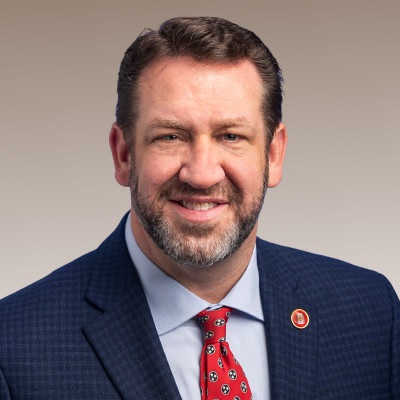
Jeremy Faison
100% support rate
Top opponent
Justin Jones
19% support rate
Ranked legislators
10
5 support · 5 oppose
Key legislators

Who's moving healthcare in Tennessee

Legislators moving healthcare in Tennessee
Legislator Party Stance Support rate Decisive votes
Jeremy Faison
Jeremy Faison House · District 11
R
Strong +
100% 18
Cameron Sexton
Cameron Sexton House · District 25
R
Strong +
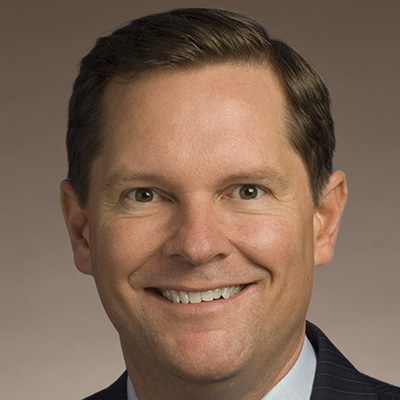
100% 16
Shane Reeves
Shane Reeves Senate · District 14
R
Strong +
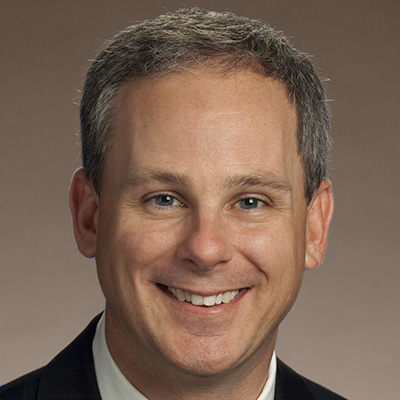
100% 16
Tim Rudd
Tim Rudd House · District 34
R
Strong +
100% 15
Steve Southerland
Steve Southerland Senate · District 9
R
Strong +
100% 12
Justin Jones
Justin Jones House · District 52
D
Strong −
19% 16
Gabby Salinas
Gabby Salinas House · District 96
D
Oppose
25% 20
John Stevens
John Stevens Senate · District 24
R
Oppose
25% 16
Jason Powell
Jason Powell House · District 53
D
Oppose
28% 18
Aftyn Behn
Aftyn Behn House · District 51
D
Oppose
29% 17
Showing 61–63 of 63 bills

All healthcare bills

passed · Tennessee · House Mar 13, 2025

HB 1236: Human Resources, Department of - As introduced, enacts the "Tennessee Health SNAP Act," which requires the department to submit a request for a waiver from the United States department of agriculture's food and nutrition service to seek authorization to prohibit the use of SNAP benefits for the purchase of candy and soft drinks. - Amends TCA Title 71.

HB 1236, the "Tennessee Health SNAP Act," would require Tennessee's Department of Human Resources to seek a federal waiver from the USDA to prohibit SNAP (food stamp) benefits from being used to purchase candy and soft drinks. If approved, this restriction would directly affect SNAP recipients in Tennessee who currently use benefits for these items. The bill mandates that the waiver request include public health justification, a plan for retailer system updates, recipient education on healthy alternatives, and a tracking system for spending and health data. It also requires annual reports to state leaders on the waiver status and impact. The bill is pending Senate action and would take effect July 1, 2025, if enacted.
in committee · Tennessee · Senate Feb 12, 2025

SB 610: TennCare - As introduced, requires TennCare to provide eligible covered enrollees with continuous glucose monitoring; establishes criteria for eligibility. - Amends TCA Title 56 and Title 71.

SB 610 requires TennCare to cover continuous glucose monitors (CGMs) for eligible members with specific diabetes conditions. It directly affects TennCare enrollees diagnosed with Type 1 diabetes, gestational diabetes, or Type 2 diabetes meeting documented criteria like frequent low blood sugar episodes, high A1C levels, or hospitalizations related to diabetes complications. The bill mandates coverage only when prescribed by an endocrinologist or diabetes specialist confirming the member meets the eligibility requirements. The law takes effect January 1, 2026.
died · Tennessee · House Feb 5, 2025

HB 301: Housing - As introduced, authorizes local governments to regulate sober living homes for recovery from alcohol, drug, and substance abuse to the extent such regulation complies with the Fair Housing Act and the Americans with Disabilities Act, including prescribing a distance requirement for such homes from primary schools, preschools, and daycares, regulating the location and operation of such homes, and requiring that prospective residents receive a clinical referral for placement in a sober living home. - Amends TCA Title 5; Title 6; Title 7; Title 13 and Title 33.

HB 301 would allow Tennessee local governments (counties, cities, and towns) to regulate sober living homes - residences for adults recovering from substance abuse without formal treatment services. The bill requires these homes to be located at least 1,000 feet from schools, preschools, or daycares and mandates that prospective residents receive a clinical referral from a licensed healthcare provider confirming their need for such housing. Local governments must ensure all regulations comply with federal fair housing and disability laws. This bill would directly affect how sober living homes operate, where they can be located, and who can reside there.

Showing 61 to 63 of 63 bills
Previous 1 … 5 6 7