Issue · Criminal Justice

Criminal Justice (Sentencing)

Every criminal justice bill, vote, and legislator stance in Tennessee, automatically classified by Maddy, our AI policy reader.

Total bills
53
114th Regular Session (2025-2026)
Top supporter
Gloria Johnson
100% support rate
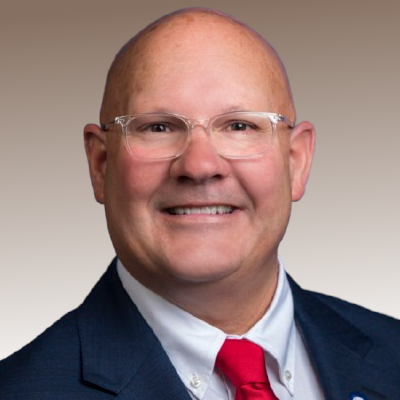
Top opponent
Andrew Farmer
0% support rate
Ranked legislators
10
5 support · 5 oppose
Key legislators

Who's moving sentencing in Tennessee

Legislators moving sentencing in Tennessee
Legislator Party Stance Support rate Votes
Gloria Johnson
Gloria Johnson House · District 90
D
Strong +
100% 9
Jack Johnson
Jack Johnson Senate · District 27
R
Strong +
100% 9
Gabby Salinas
Gabby Salinas House · District 96
D
Strong +
100% 6
Sara Kyle
Sara Kyle Senate · District 30
D
Strong +
100% 5
London Lamar
London Lamar Senate · District 33
D
Strong +
100% 4
Andrew Farmer
Andrew Farmer House · District 17
R
Strong −
0% 8
Fred Atchley
Fred Atchley House · District 12
R
Strong −
0% 8
John Stevens
John Stevens Senate · District 24
R
Strong −
0% 8
Lowell Russell
Lowell Russell House · District 21
R
Strong −
0% 8
Rick Scarbrough
Rick Scarbrough House · District 33
R
Strong −
0% 8
Showing 1–10 of 53 bills

All criminal justice bills

signed · Tennessee · Senate May 27, 2026

SB 2468: Criminal Offenses - As enacted, makes revisions to law relative to offenses occurring at a house of worship. - Amends TCA Title 29 and Title 39.

SB 2468 requires Tennessee courts to impose a mandatory fine equal to at least twice the cost of property damage or restoration when vandalism occurs at a house of worship (like a church, synagogue, or mosque). This applies specifically to sentencing for vandalism offenses committed at these locations, directly affecting both the convicted individual and the affected house of worship. The bill amends Tennessee criminal code to add this penalty as part of the sentence, overriding standard sentencing guidelines for such cases. It takes effect July 1, 2026, if passed.
Sub-Topics Courts Sentencing
died · Tennessee · House May 27, 2026

HB 2428: Criminal Offenses - As enacted, increases the penalty for assaulting a first responder from a Class A misdemeanor with a mandatory fine of $5,000 and a mandatory minimum of 30 days incarceration to a Class E felony with a mandatory fine of $10,000 and a mandatory minimum of 60 days incarceration. - Amends TCA Title 39 and Title 40.

HB 2428 raises the penalty for assaulting a first responder (including law enforcement officers) in Tennessee from a Class A misdemeanor to a Class E felony. The bill mandates a $10,000 fine and a minimum 60-day jail sentence for such offenses, with no early release during the mandatory period. It amends Tennessee Code Annotated, Title 39 (criminal law) and Title 40 (criminal justice), effective July 1, 2026. This change directly affects individuals convicted of assaulting first responders by increasing the severity of penalties for these crimes.
in committee · Tennessee · House May 27, 2026

HB 2309: Criminal Offenses - As enacted, makes revisions to law relative to offenses occurring at a house of worship. - Amends TCA Title 29 and Title 39.

HB 2309 requires courts to impose a fine of at least twice the actual property damage or restoration costs when vandalism occurs at a house of worship, in addition to any other sentence. This applies specifically to offenses committed at religious buildings, directly affecting houses of worship that suffer damage and the courts sentencing offenders. The law amends Tennessee sentencing guidelines (TCA Title 39) to mandate this automatic double-fine calculation based on verified costs, overriding standard sentencing discretion for these cases. The bill would take effect on July 1, 2026, if passed.
Sub-Topics Courts Sentencing
in committee · Tennessee · House Apr 15, 2026

HB 2504: Sentencing - As introduced, requires a defendant to be sentenced to imprisonment for life as a repeat violent offender under certain circumstances. - Amends TCA Title 38; Title 39; Title 40 and Title 41.

HB 2504 requires courts to sentence defendants as "repeat violent offenders" to life imprisonment if they have three or more qualifying violent offenses committed on or after July 1, 2026. It directly affects individuals convicted of multiple serious violent crimes, including aggravated rape, kidnapping, child sexual abuse, or aggravated robbery. The bill establishes a "strikes" system where each qualifying offense counts toward the three required strikes, with at least two strikes needing to come from specific violent offenses listed in the bill (like aggravated rape or kidnapping). It applies only to offenses committed after July 1, 2026, and includes rules for counting prior convictions from other states or jurisdictions.
in committee · Tennessee · House Mar 25, 2026

HB 2285: Sentencing - As introduced, increases from one year to three years the amount of time a defendant receiving a split sentence of confinement and probation may be required to serve a portion of the sentence in continuous confinement in the local jail or workhouse; specifies that the state is responsible for all costs of incarceration after the first year. - Amends TCA Title 40 and Title 41.

HB 2285 changes Tennessee sentencing rules for defendants receiving split sentences (part jail time, part probation). It increases the maximum continuous jail time from one year to three years for such sentences, while requiring the state to cover all incarceration costs after the first year. This directly affects criminal defendants sentenced under these terms, particularly those serving split sentences in local jails or workhouses. The law amends Tennessee Code Annotated Sections 40-35-306 and 40-35-314, effective July 1, 2026.
in committee · Tennessee · Senate Feb 2, 2026

SB 2663: Sentencing - As introduced, increases from one year to three years the amount of time a defendant receiving a split sentence of confinement and probation may be required to serve a portion of the sentence in continuous confinement in the local jail or workhouse; specifies that the state is responsible for all costs of incarceration after the first year. - Amends TCA Title 40 and Title 41.

SB 2663 modifies Tennessee sentencing rules for defendants receiving split sentences (part jail time, part probation). It extends the mandatory continuous jail time from one year to three years for such cases, and requires the state to cover all incarceration costs after the first year. This directly affects individuals convicted of crimes who are sentenced to split confinement and probation. The bill amends Tennessee Code Sections 40-35-306 and 40-35-314, effective July 1, 2026.
in committee · Tennessee · House Feb 5, 2026

HB 2582: Sentencing - As introduced, increases from one year to three years the amount of time a defendant receiving a split sentence of confinement and probation may be required to serve a portion of the sentence in continuous confinement in the local jail or workhouse; specifies that the state is responsible for all costs of incarceration after the first year. - Amends TCA Title 40 and Title 41.

HB 2582 modifies Tennessee sentencing rules for defendants receiving split sentences (part jail, part probation). It increases the mandatory continuous jail time from one to three years for such sentences and requires the state to cover all incarceration costs after the first year. The bill amends Tennessee Code Annotated Sections 40-35-306(a) and 40-35-314(a) to implement these changes. This directly affects individuals sentenced under split confinement terms who would previously have served less time in jail. The policy change shifts state responsibility for long-term incarceration costs beyond the initial year.
in committee · Tennessee · House Apr 15, 2026

HB 2465: Criminal Procedure - As introduced, adds to the list of certain offenses required to be served at 100 percent of the sentence imposed by the court undiminished by any sentence reduction credits, the attempt, conspiracy, or solicitation to commit those offenses. - Amends TCA Section 40-35-501.

HB 2465 amends Tennessee Code Annotated Section 40-35-501 to require individuals convicted of certain serious offenses to serve 100% of their sentence without any sentence reduction credits. The bill specifically adds conspiracy, criminal attempt, and solicitation related to the offenses already listed in the statute (such as violent crimes and certain drug offenses) to the category of crimes where full sentences apply. This policy change directly affects individuals convicted of these specific offenses who would otherwise qualify for sentence credits through programs like good behavior or rehabilitation. The law will take effect July 1, 2026, for offenses committed on or after that date.
Sub-Topics Courts Sentencing
failed · Tennessee · Senate Mar 23, 2026

SB 2619: Sentencing - As introduced, increases from one year to three years the amount of time a defendant receiving a split sentence of confinement and probation may be required to serve a portion of the sentence in continuous confinement in the local jail or workhouse; specifies that the state is responsible for all costs of incarceration after the first year. - Amends TCA Title 40 and Title 41.

SB 2619 changes Tennessee sentencing rules for defendants receiving a split sentence (part jail time, part probation). It increases the required continuous jail time from one year to three years for such cases, and specifies that the state must cover all jail costs after the first year. The bill amends Tennessee Code Annotated Sections 40-35-306 and 40-35-314 to implement these changes. This directly affects criminal defendants in Tennessee who are sentenced to split confinement and probation. The law takes effect July 1, 2026.
in committee · Tennessee · House Apr 15, 2026

HB 2354: Sentencing - As introduced, makes the offense of sexual battery by an authority figure ineligible for probation. - Amends TCA Title 39 and Title 40.

HB 2354, introduced as House Bill 2354, changes sentencing for sexual battery committed by authority figures (such as teachers, coaches, or counselors) in Tennessee. The bill amends Tennessee Code Annotated, Title 39 (criminal procedure) and Title 40 (sentencing), specifically removing probation eligibility for this offense under Section 39-13-527. This means individuals convicted of sexual battery by an authority figure will no longer qualify for probation and must face other sentencing options. The law would take effect July 1, 2026, applying to offenses occurring on or after that date.
Showing 1 to 10 of 53 bills
1 2 3 6 Next