

Issue · Criminal Justice
Criminal Justice (Drug Policy)
Every criminal justice bill, vote, and legislator stance in Tennessee, automatically classified by Maddy, our AI policy reader.
Total bills
73
114th Regular Session (2025-2026)
Top supporter
Jason Powell
67% support rate
Top opponent
Paul Rose
0% support rate
Ranked legislators
8
3 support · 5 oppose
Key legislators
Who's moving drug policy in Tennessee
| Legislator | Party | Stance | Support rate | Decisive votes |
|---|---|---|---|---|
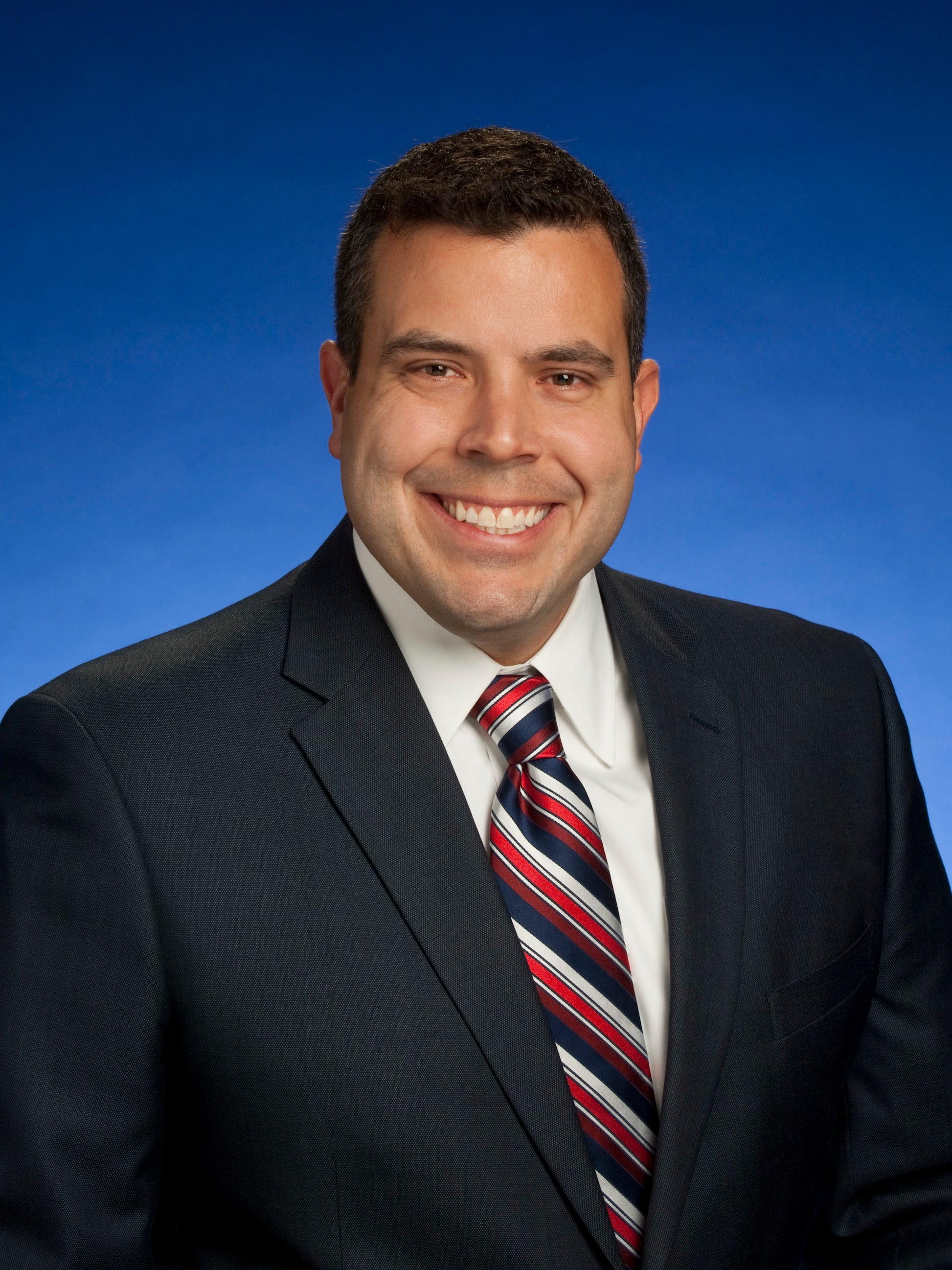
Jason Powell
House · District 53
|
D |
Support
|
67% | 3 |
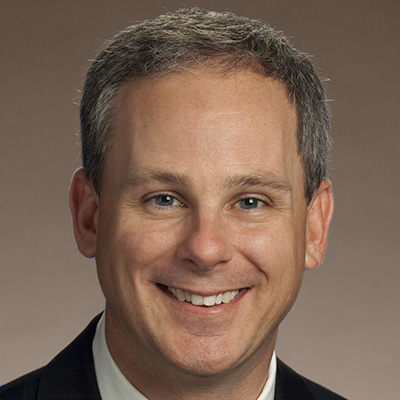
John Stevens
Senate · District 24
|
R |
Mixed
|
50% | 6 |

London Lamar
Senate · District 33
|
D |
Mixed
|
50% | 6 |
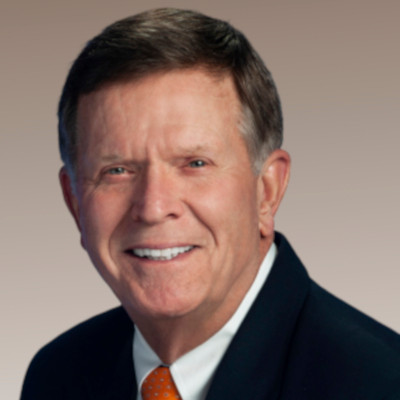
Paul Rose
Senate · District 32
|
R |
Strong −
|
0% | 6 |
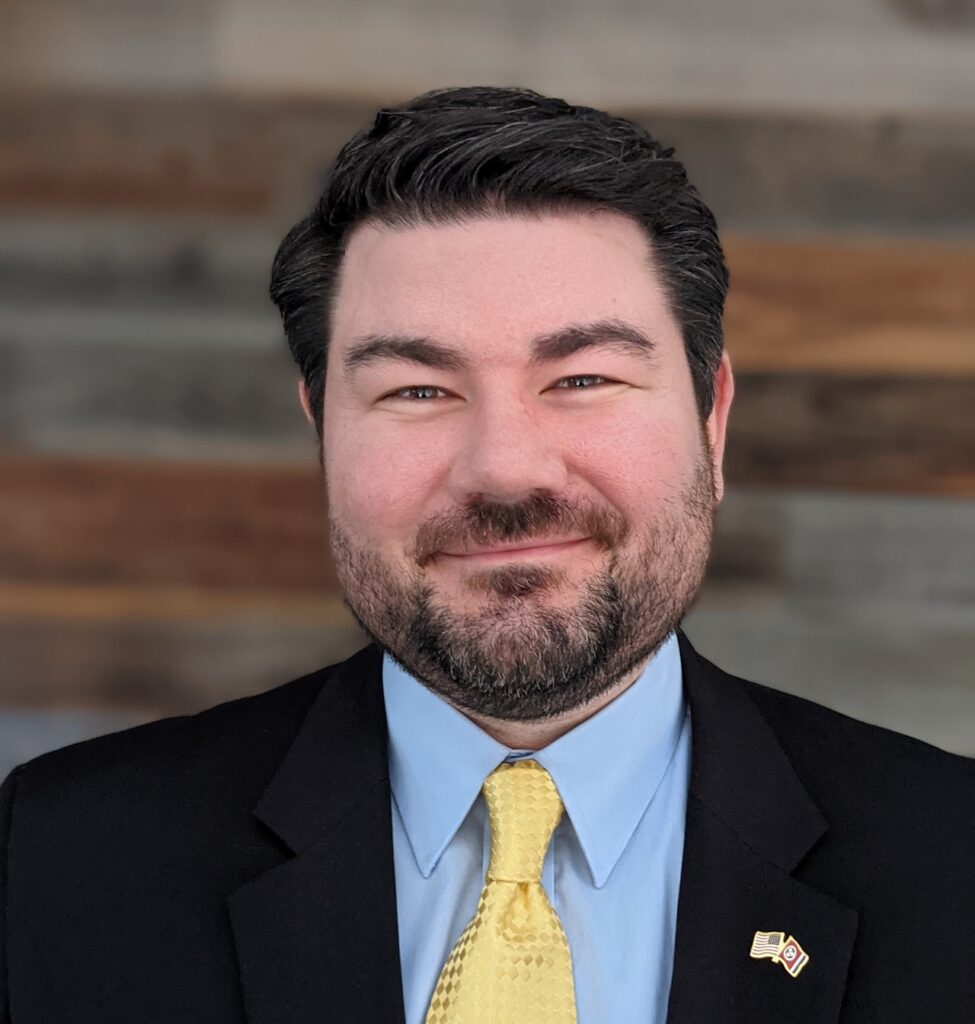
Bobby Harshbarger
Senate · District 4
|
R |
Strong −
|
0% | 5 |

Brent Taylor
Senate · District 31
|
R |
Strong −
|
0% | 5 |

Dawn White
Senate · District 13
|
R |
Strong −
|
0% | 5 |
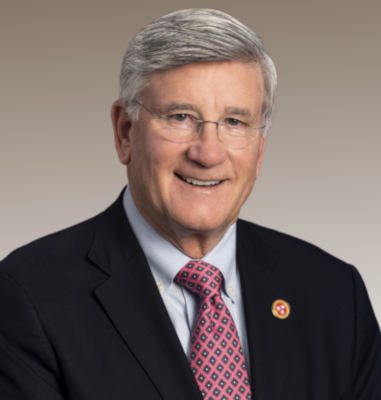
Todd Gardenhire
Senate · District 10
|
R |
Strong −
|
0% | 5 |
Showing 61–70 of 73
bills
All criminal justice bills
SB 465: Drugs, Synthetic or Analogue - As introduced, removes the limitation that a person who is experiencing a drug overdose only has immunity from being arrested, charged, or prosecuted on the first drug overdose. - Amends TCA Title 50; Title 53; Title 63 and Title 68.
Topics
✓ Criminal JusticeSupports Criminal JusticeRemoves first-overdose limitation, expanding immunity for seeking help during multiple overdoses - reduces criminalization of drug users and promotes public health approach to overdose response.
✓ HealthcareSupports HealthcareRemoves legal barriers to seeking emergency care for drug overdoses, improving access to healthcare services and protecting individuals from prosecution when seeking help.
HB 1210: Firearms and Ammunition - As introduced, requires, if the respondent on an order of protection dispossesses firearms by transferring possession to a third party who is not prohibited from possessing firearms, the respondent to specify the third party and the physical address where all firearms are located on the affidavit of firearms dispossession form; requires the third party to sign the affidavit of firearms dispossession form to acknowledge receipt of the firearms. - Amends TCA Title 36, Chapter 3, Part 6.
HB 573: Criminal Offenses - As introduced, decreases from 150 grams to 50 grams or more the amount of any substance containing fentanyl, carfentanil, remifentanil, alfentanil, thiafentanil, or any fentanyl derivative or analogue that is punished as a Class A felony for the knowing manufacture, delivery, or sale of the substance, or possession with intent to manufacture, deliver, or sell the substance. - Amends TCA Title 39, Chapter 17.
Sub-Topics
Drug Policy
HB 1140: Criminal Offenses - As enacted, makes the offense of possession of a used, detached catalytic converter by an unauthorized person punishable by a term of imprisonment not greater than 11 months, 29 days; a fine not to exceed $2,500; or both, instead of only subject to a fine. - Amends TCA Title 38; Title 39; Title 55 and Title 62.
SB 769: Criminal Offenses - As enacted, makes the offense of possession of a used, detached catalytic converter by an unauthorized person punishable by a term of imprisonment not greater than 11 months, 29 days; a fine not to exceed $2,500; or both, instead of only subject to a fine. - Amends TCA Title 38; Title 39; Title 55 and Title 62.
HB 836: Controlled Substances - As introduced, enacts the "Tennessee Cannabis Act." - Amends TCA Title 4; Title 29; Title 33; Title 38; Title 39; Title 40; Title 41; Title 43; Title 45; Title 50; Title 53; Title 63; Title 67; Title 68 and Title 71.
Sub-Topics
Drug Policy
HB 587: Criminal Offenses - As enacted, adds organized retail crime and possession or employment of a firearm during the commission of or attempt to commit a dangerous felony to the definition of racketeering activity; clarifies that carjacking is a racketeering activity. - Amends TCA Title 39.
SB 1290: Criminal Offenses - As enacted, makes permanent the exclusion of narcotic testing equipment used to determine whether a controlled substance contains a synthetic opioid, unless the narcotic testing equipment is possessed for purposes of the commission of a drug offense, from the definition of drug paraphernalia; removes the July 1, 2025, repeal date for that exclusion. - Amends TCA Section 39-17-402.
Topics
✓ Criminal JusticeSupports Criminal JusticeBill permanently removes restrictions on synthetic opioid testing equipment for harm reduction, supporting public health initiatives without criminalizing legitimate use. Aligns with criminal justice reform by reducing unnecessary criminalization ...
✓ HealthcareSupports HealthcareRemoves legal barrier for public health workers to use synthetic opioid testing equipment, enabling harm reduction programs that protect community health and prevent overdoses.
HB 464: Drugs, Synthetic or Analogue - As introduced, removes the limitation that a person who is experiencing a drug overdose only has immunity from being arrested, charged, or prosecuted on the first drug overdose. - Amends TCA Title 50; Title 53; Title 63 and Title 68.
Topics
✓ Criminal JusticeSupports Criminal JusticeRemoves legal barriers for overdose victims seeking help, expanding immunity to all overdoses to encourage emergency assistance without fear of prosecution.
✓ HealthcareSupports HealthcareRemoves legal barriers preventing overdose victims from seeking emergency help, directly improving access to healthcare services and protecting patient rights during medical crises.