

Issue · Criminal Justice
Criminal Justice (Corrections)
Every criminal justice bill, vote, and legislator stance in Tennessee, automatically classified by Maddy, our AI policy reader.
Total bills
124
114th Regular Session (2025-2026)
Top supporter
Sara Kyle
100% support rate
Top opponent
John Stevens
0% support rate
Ranked legislators
10
5 support · 5 oppose
Key legislators
Who's moving corrections in Tennessee
| Legislator | Party | Stance | Support rate | Votes |
|---|---|---|---|---|

Sara Kyle
Senate · District 30
|
D |
Strong +
|
100% | 6 |

London Lamar
Senate · District 33
|
D |
Strong +
|
100% | 4 |

Gloria Johnson
House · District 90
|
D |
Support
|
78% | 9 |
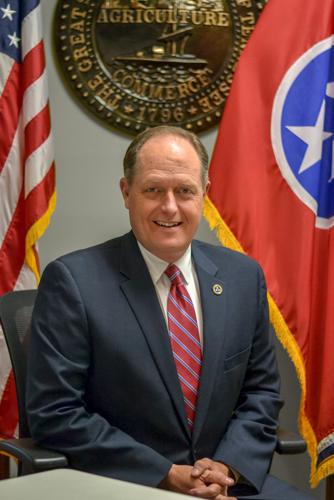
Jack Johnson
Senate · District 27
|
R |
Support
|
78% | 9 |
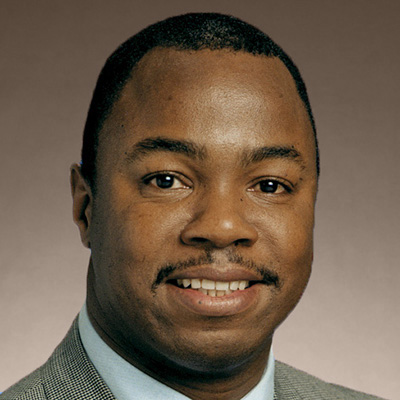
Joe Towns
House · District 84
|
D |
Support
|
75% | 4 |
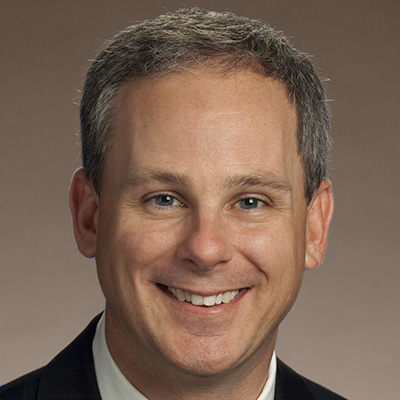
John Stevens
Senate · District 24
|
R |
Strong −
|
0% | 8 |
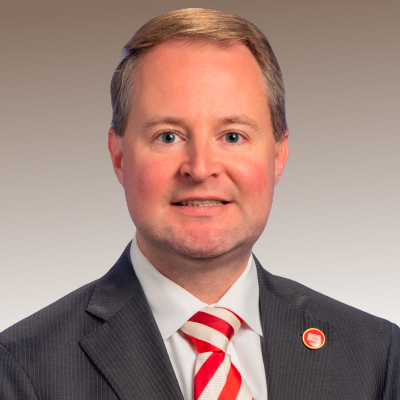
Robert Stevens
House · District 13
|
R |
Strong −
|
0% | 8 |

Adam Lowe
Senate · District 1
|
R |
Strong −
|
0% | 3 |

Bo Mitchell
House · District 50
|
D |
Strong −
|
0% | 3 |

Bo Watson
Senate · District 11
|
R |
Strong −
|
0% | 3 |
Showing 31–40 of 124
bills
All criminal justice bills
SB 2144: Criminal Offenses - As introduced, increases the penalties for a violation of the offense of introduction or possession of contraband into a penal institution from a Class C felony to a Class B felony for certain acts and certain types of contraband, from a Class D felony to a Class C felony for certain acts and certain types of contraband, and from a Class E felony to a Class D felony for certain acts involving a telecommunication device if the violation resulted in the death of another person. - Amends TCA Title 39 and Title 40.
SB 1523: Sunset Laws - As enacted, extends the inmate disciplinary oversight board to June 30, 2028. - Amends TCA Title 4, Chapter 29 and Title 41, Chapter 21, Part 10.
Sub-Topics
Corrections
HB 1996: Controlled Substances - As introduced, permits a person to possess cannabis that was obtained directly from, or pursuant to a diagnosis of a qualifying medical condition by, a licensed physician; specifies the sentences permitted for possessing certain amounts of cannabis that was not obtained directly from, or pursuant to a diagnosis of a qualifying medical condition by, a licensed physician. - Amends TCA Title 39, Chapter 17, Part 4.
Topics
✓ Criminal JusticeSupports Criminal JusticeReduces penalties for minor cannabis possession (no jail for ≤1oz) and creates medical exemption, decreasing criminalization of low-level offenses per criminal justice reform indicators.
✓ HealthcareSupports HealthcareEnables medical cannabis access through licensed physician diagnosis, expanding patient treatment options for qualifying conditions under healthcare framework.
HB 1839: Correction, Dept. of - As enacted, prohibits the department from removing a state inmate from a local jail facility for the purpose of relocating the inmate to a state facility if the inmate is participating in a work release or re-entry program unless the inmate has failed to meet the work release or in-house duty requirements, or the inmate's disciplinary records warrant the inmate's removal from participation in the work release or re-entry program. - Amends TCA Title 40 and Title 41.
Sub-Topics
Corrections
HB 1769: Criminal Offenses - As introduced, enacts "The Intercollegiate Student-Athlete Protection Act," which creates a criminal offense of student athlete harassment; punishes the first offense as a Class A misdemeanor and a second or subsequent offense as a Class E felony; and specifies that a student athlete who is the victim of student athlete harassment has a private right of action against a person convicted of the offense. - Amends TCA Title 4, Chapter 49; Title 39 and Title 49.
Topics
✗ Criminal JusticeOpposes Criminal JusticeCreates new criminal offense with escalating penalties, expanding criminalization of harassment rather than advancing reform or protections.
✓ EducationSupports EducationBill creates legal protections for student athletes against harassment in higher education, directly supporting safe educational environments for a specific group.
SB 1938: Orders of Protection - As introduced, increases from a Class A misdemeanor to a Class E felony the penalty for the criminal offense of violation of an order of protection if the order violated was a lifetime order of protection and the conviction that the lifetime order of protection was based on involved the use of force against a victim. - Amends TCA Title 36 and Title 39.
SB 1790: Correction, Dept. of - As enacted, authorizes the department to adopt or amend a formulary for use in the correctional facilities operated by or on behalf of the department. - Amends TCA Title 8; Title 41; Title 53; Title 56; Title 63; Title 68 and Title 71.
Topics
✓ Criminal JusticeSupports Criminal JusticeMandates equal coverage for FDA-approved non-opioid pain meds in correctional settings, promoting rehabilitation and reducing opioid dependency among inmates, aligning with criminal justice reform indicators.
✓ HealthcareSupports HealthcareRequires insurers to treat FDA-approved non-opioid pain meds equally with opioids in coverage, improving patient access to safer alternatives and reducing opioid reliance per healthcare policy goals.
HB 1581: Sunset Laws - As enacted, extends the inmate disciplinary oversight board to June 30, 2028. - Amends TCA Title 4, Chapter 29 and Title 41, Chapter 21, Part 10.
Sub-Topics
Corrections
SB 2021: Welfare - As introduced, requires the commissioner of human services to provide to the commissioner of correction an application for food assistance to be used by inmates in state correctional institutions prior to release; requires the application to contain an option for the inmate to indicate a denial to apply for food assistance and reasons for doing so; requires the commissioner of correction to supply the application to each inmate prior to release; requires reports to the general assembly on certain data collected from the applications and on the number of inmates leaving incarceration who are approved for food assistance. - Amends TCA Title 41 and Title 71.
Sub-Topics
Corrections