

Issue · Criminal Justice
Criminal Justice (Drug Policy)
Every criminal justice bill, vote, and legislator stance in Tennessee, automatically classified by Maddy, our AI policy reader.
Total bills
34
114th Regular Session (2025-2026)
Top supporter
Jason Powell
67% support rate
Top opponent
Paul Rose
0% support rate
Ranked legislators
8
3 support · 5 oppose
Key legislators
Who's moving drug policy in Tennessee
| Legislator | Party | Stance | Support rate | Decisive votes |
|---|---|---|---|---|
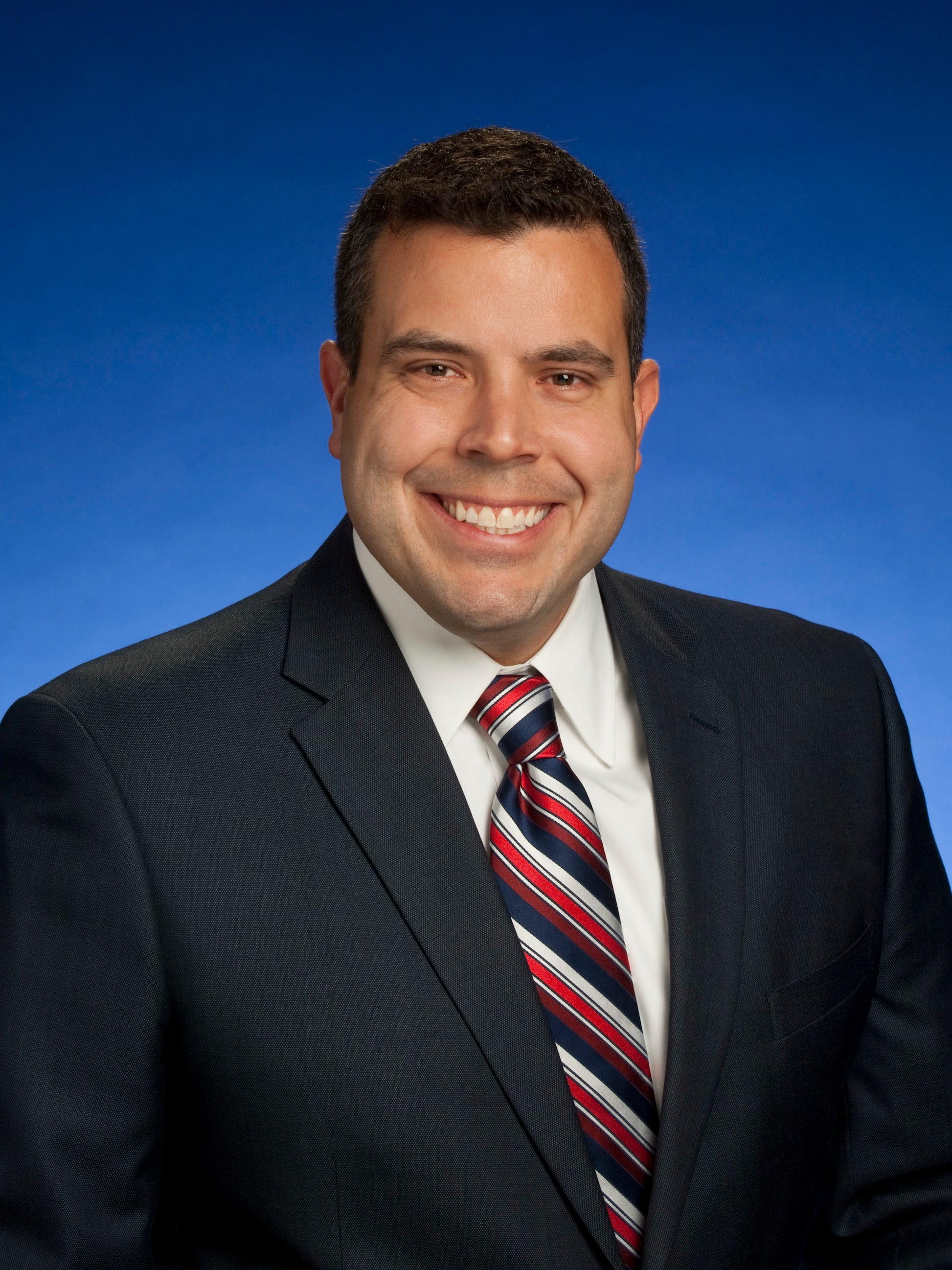
Jason Powell
House · District 53
|
D |
Support
|
67% | 3 |
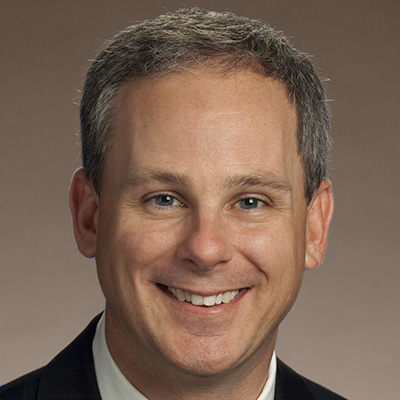
John Stevens
Senate · District 24
|
R |
Mixed
|
50% | 6 |

London Lamar
Senate · District 33
|
D |
Mixed
|
50% | 6 |
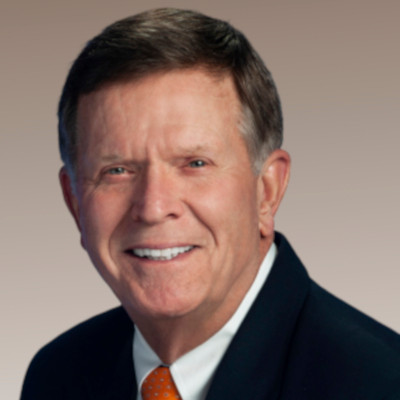
Paul Rose
Senate · District 32
|
R |
Strong −
|
0% | 6 |
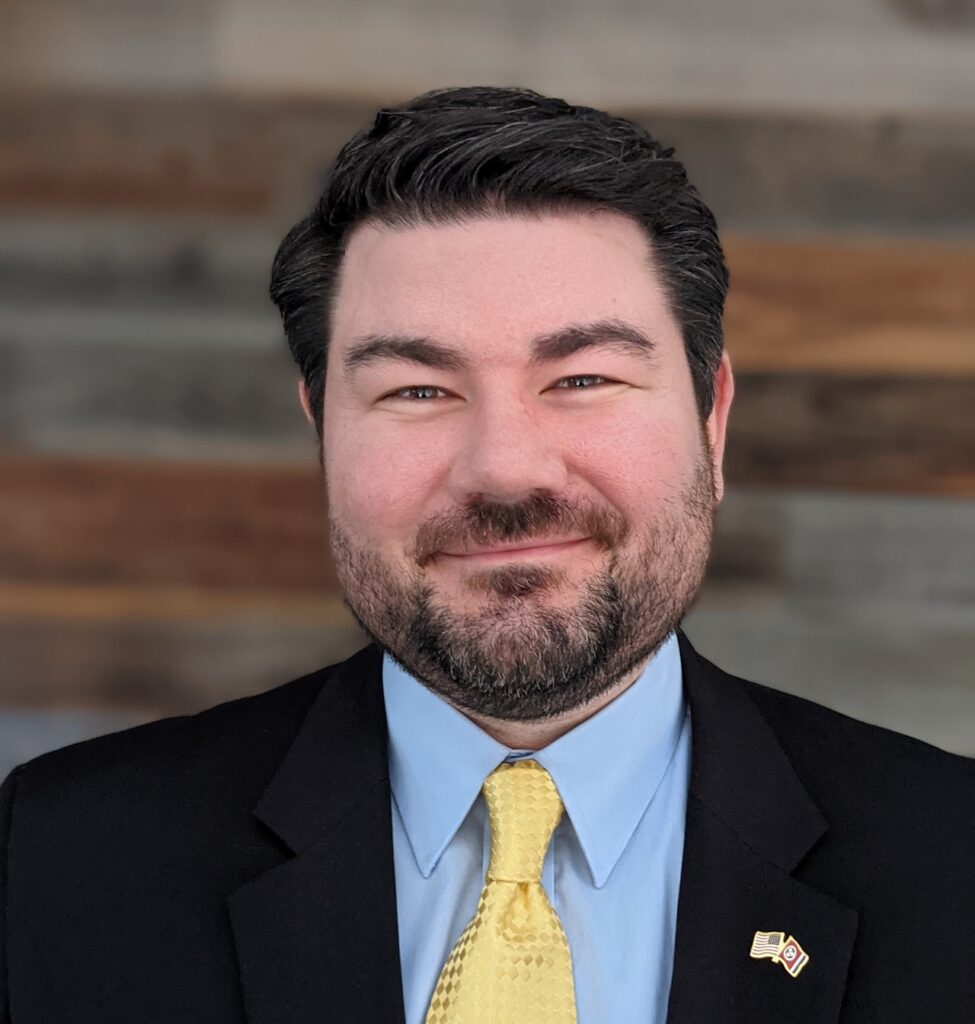
Bobby Harshbarger
Senate · District 4
|
R |
Strong −
|
0% | 5 |

Brent Taylor
Senate · District 31
|
R |
Strong −
|
0% | 5 |

Dawn White
Senate · District 13
|
R |
Strong −
|
0% | 5 |
Todd Gardenhire
Senate · District 10
|
R |
Strong −
|
0% | 5 |
Showing 21–30 of 34
bills
All criminal justice bills
HB 1471: Courts - As enacted, removes a conviction for domestic assault from the definition of a violent offender for purposes of drug treatment courts; changes the definition of a violent offender for purposes of drug treatment courts from an offender with a conviction for an offense involving certain acts to an offender with a conviction for a felony offense involving certain acts within the previous 10 years. - Amends TCA Title 16, Chapter 22.
Topics
✓ Criminal JusticeSupports Criminal JusticeBill expands drug treatment court eligibility by removing non-felony domestic assault from violent offender definition, promoting rehabilitation over incarceration.
✓ HealthcareSupports HealthcareExpands access to drug treatment programs (a healthcare service) by removing non-felony domestic assault from violent offender definition, broadening eligibility for treatment courts.
HB 1861: Probation and Parole - As introduced, specifies that if the trial judge finds by a preponderance of the evidence that the defendant has violated conditions of probation and suspension of sentence for a felony offense by engaging in conduct that constitutes a drug offense, then for the first instance of such a violation, the trial judge must order the defendant to attend a substance abuse treatment program and must not revoke the defendant's probation and suspension of sentence. - Amends TCA Title 40, Chapter 35.
Topics
✓ Criminal JusticeSupports Criminal JusticeBill mandates substance abuse treatment over probation revocation for first-time drug-related violations, prioritizing rehabilitation and reducing punitive measures in criminal justice reform.
✓ HealthcareSupports HealthcareMandates substance abuse treatment for first-time drug-related probation violations, directing offenders into healthcare services rather than punishment.
SB 1933: Public Records - As introduced, requires the department of correction to disclose records and information to any member of the general assembly, upon written request, to enable the member to determine whether the laws of this state are being complied with regarding inmates in the department's custody. - Amends TCA Title 3; Title 4; Title 10, Chapter 7; Title 40 and Title 41.
HB 1239: Opioids - As enacted, clarifies that a physician licensed in this state is the only healthcare provider authorized to prescribe a buprenorphine product for a FDA-approved use in recovery or medication-assisted treatment; revises criteria for providers not licensed in this state to prescribe a buprenorphine product for the treatment of opioid use disorder. - Amends TCA Title 33; Title 41; Title 53 and Title 63.
Topics
✓ Criminal JusticeSupports Criminal JusticeEnables medication-assisted treatment for opioid use disorder in correctional facilities, supporting rehabilitation within criminal justice system
✗ HealthcareOpposes HealthcareRestricts prescribing authority to Tennessee-licensed physicians only, adding barriers for non-physician providers in correctional settings, limiting access to medication-assisted treatment.
SB 923: Controlled Substances - As introduced, decriminalizes the possession of less than one ounce of marijuana or less than five marijuana plants; authorizes municipalities and counties to impose civil penalties on the possession of marijuana in certain circumstances. - Amends TCA Title 16, Chapter 18, Part 3; Title 39, Chapter 17, Part 4 and Title 40.
Sub-Topics
Drug Policy
HB 981: Controlled Substances - As introduced, decriminalizes the possession of less than one ounce of marijuana or less than five marijuana plants; authorizes municipalities and counties to impose civil penalties on the possession of marijuana in certain circumstances. - Amends TCA Title 16, Chapter 18, Part 3; Title 39, Chapter 17, Part 4 and Title 40.
Sub-Topics
Drug Policy
HB 985: Firearms and Ammunition - As introduced, removes the criminal offense of possession of a weapon in a building or on property that is properly posted; removes the requirement that the department of safety suspend or revoke a handgun carry permit for a violation of that offense by a handgun permit holder. - Amends TCA Title 39, Chapter 17, Part 13.
SB 465: Drugs, Synthetic or Analogue - As introduced, removes the limitation that a person who is experiencing a drug overdose only has immunity from being arrested, charged, or prosecuted on the first drug overdose. - Amends TCA Title 50; Title 53; Title 63 and Title 68.
Topics
✓ Criminal JusticeSupports Criminal JusticeRemoves first-overdose limitation, expanding immunity for seeking help during multiple overdoses - reduces criminalization of drug users and promotes public health approach to overdose response.
✓ HealthcareSupports HealthcareRemoves legal barriers to seeking emergency care for drug overdoses, improving access to healthcare services and protecting individuals from prosecution when seeking help.