Issue · Criminal Justice

Criminal Justice

Every criminal justice bill, vote, and legislator stance in Tennessee, automatically classified by Maddy, our AI policy reader.

Total bills
271
114th Regular Session (2025-2026)
Top supporter
Johnny Shaw
77% support rate
Top opponent
Tim Rudd
19% support rate
Ranked legislators
10
5 support · 5 oppose
Key legislators

Who's moving criminal justice in Tennessee

Legislators moving criminal justice in Tennessee
Legislator Party Stance Support rate Votes
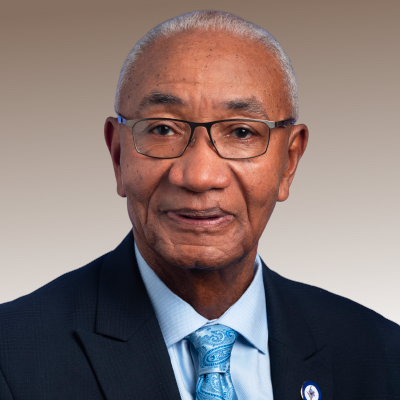
Johnny Shaw
Johnny Shaw House · District 80
D
Support
77% 103
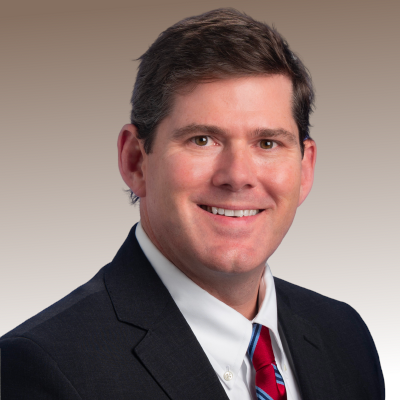
John Clemmons
John Clemmons House · District 55
D
Support
76% 115
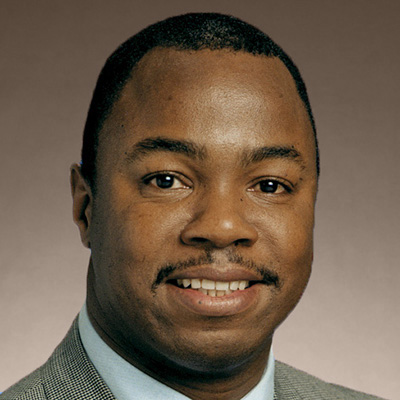
Harold Love
Harold Love House · District 58
D
Support
75% 92
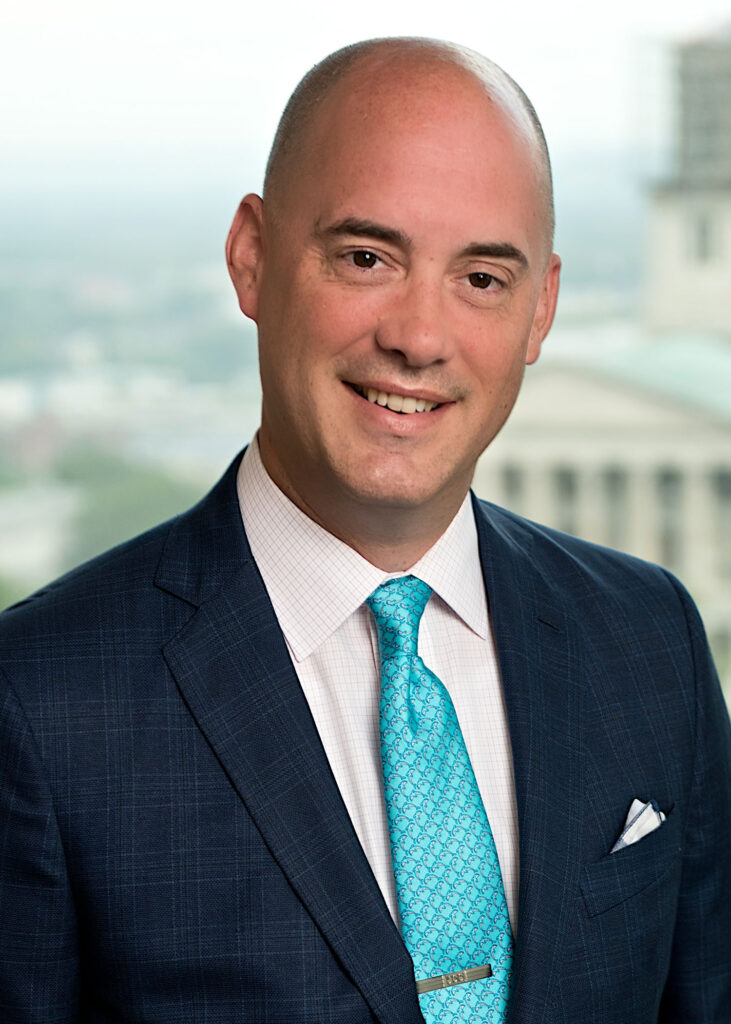
Bob Freeman
Bob Freeman House · District 56
D
Support
75% 95
Joe Towns
Joe Towns House · District 84
D
Support
74% 122
Tim Rudd
Tim Rudd House · District 34
R
Strong −
19% 107
Chris Todd
Chris Todd House · District 73
R
Oppose
24% 150
Johnny Garrett
Johnny Garrett House · District 45
R
Oppose
24% 132
Renea Jones
Renea Jones House · District 4
R
Oppose
24% 100
Dan Howell
Dan Howell House · District 22
R
Oppose
25% 126
Showing 21–30 of 271 bills

All criminal justice bills

in committee · Tennessee · Senate Feb 2, 2026

SB 2663: Sentencing - As introduced, increases from one year to three years the amount of time a defendant receiving a split sentence of confinement and probation may be required to serve a portion of the sentence in continuous confinement in the local jail or workhouse; specifies that the state is responsible for all costs of incarceration after the first year. - Amends TCA Title 40 and Title 41.

SB 2663 modifies Tennessee sentencing rules for defendants receiving split sentences (part jail time, part probation). It extends the mandatory continuous jail time from one year to three years for such cases, and requires the state to cover all incarceration costs after the first year. This directly affects individuals convicted of crimes who are sentenced to split confinement and probation. The bill amends Tennessee Code Sections 40-35-306 and 40-35-314, effective July 1, 2026.
in committee · Tennessee · House May 4, 2026

HB 2147: Criminal Offenses - As enacted, creates the Class C misdemeanor offense of knowingly using an unmanned aircraft over the grounds of a school. - Amends TCA Title 39 and Title 49.

HB 2147 creates a new Class C misdemeanor offense for knowingly operating an unmanned aircraft (drone) over school property in Tennessee. The bill amends Tennessee Code Annotated Sections 39-13-903 to add this specific prohibition as a new subdivision (a)(7), making it a separate violation from other criminal offenses. This law directly affects drone operators, including hobbyists and commercial users, who fly near schools. The bill takes effect July 1, 2026, and classifies this violation as a Class C misdemeanor (typically punishable by up to 90 days in jail or a $500 fine).
Sub-Topics Corrections
in committee · Tennessee · Senate Mar 24, 2026

SB 2370: Criminal Offenses - As introduced, increases the penalty for vehicular homicide from a Class C felony to a Class B felony if the offense occurred as the proximate result of the driver's extreme and excessive rate of speed; defines "extreme and excessive rate of speed" as traveling at more than 20 miles per hour over the posted speed limit. - Amends TCA Title 39 and Title 55.

SB 2370 amends Tennessee law to increase penalties for vehicular homicide when a driver's speed was the direct cause. It defines "extreme and excessive rate of speed" as traveling more than 20 miles per hour over the posted limit. If this speed condition applies, vehicular homicide becomes a Class B felony (up from Class C). The law takes effect July 1, 2026, and directly affects drivers convicted of speeding-related fatal accidents.
in committee · Tennessee · House Apr 21, 2026

HB 2253: Criminal Offenses - As introduced, prohibits a juvenile adjudicated delinquent for conduct that, if committed by an adult, would constitute the offense of threatening to commit an act of mass violence from purchasing or possessing a firearm until the juvenile reaches 25; prohibits a person appropriately licensed by the federal government from selling a firearm to a person who is ineligible to possess a firearm pursuant to any court order or under any law of this state; increases penalties for sexual exploitation of a minor offenses. - Amends TCA Title 37 and Title 39.

HB 2253 prohibits juveniles adjudicated delinquent for conduct that would be "threatening to commit an act of mass violence" if committed by an adult from purchasing or possessing firearms until age 25. It also requires federally licensed firearm sellers to verify buyers are not prohibited under court orders or state law. The bill increases penalties for sexual exploitation of minors by raising felony classifications: possession of 50+ images becomes a Class B felony (100+ is Class A), and distribution of 25+ images becomes a Class A felony. These changes amend Tennessee’s criminal code in Titles 37 and 39, effective July 2026.
signed · Tennessee · Senate May 4, 2026

SB 2434: Criminal Offenses - As enacted, creates the Class C misdemeanor offense of knowingly using an unmanned aircraft over the grounds of a school. - Amends TCA Title 39 and Title 49.

SB 2434 creates a new Class C misdemeanor offense for knowingly operating an unmanned aircraft (drone) over the grounds of a school in Tennessee. This law directly affects drone operators who fly near schools, making such intentional activity a punishable offense. The bill amends Tennessee Code to add this specific provision under criminal offenses, classifying it as a Class C misdemeanor (not a felony) and setting an effective date of July 1, 2026. It does not apply to general drone use but specifically targets flights over school property without authorization.
died · Tennessee · House Mar 25, 2026

HB 2472: Criminal Offenses - As introduced, defines "criminally negligent conduct,” as used in the offense of criminally negligent homicide, to include failing or refusing to render aid to another person who is unconscious or in need of medical care and the person failing to act knows or reasonably should know that the unconsciousness or need for medical care occurred after the consumption of any controlled substance. - Amends TCA Title 39.

HB 2472 amends Tennessee's criminal code to redefine "criminally negligent conduct" for negligent homicide charges. It specifically includes failing to assist someone who is unconscious or needs medical care *if* the person knows or should know the condition resulted from controlled substance use. This directly affects individuals who witness drug-related medical emergencies but do not provide aid. The bill expands the legal definition of negligent homicide to cover these situations, effective July 1, 2026, without changing existing penalties. The amendment applies only to cases where drug use caused the medical emergency.
in committee · Tennessee · House Feb 5, 2026

HB 2582: Sentencing - As introduced, increases from one year to three years the amount of time a defendant receiving a split sentence of confinement and probation may be required to serve a portion of the sentence in continuous confinement in the local jail or workhouse; specifies that the state is responsible for all costs of incarceration after the first year. - Amends TCA Title 40 and Title 41.

HB 2582 modifies Tennessee sentencing rules for defendants receiving split sentences (part jail, part probation). It increases the mandatory continuous jail time from one to three years for such sentences and requires the state to cover all incarceration costs after the first year. The bill amends Tennessee Code Annotated Sections 40-35-306(a) and 40-35-314(a) to implement these changes. This directly affects individuals sentenced under split confinement terms who would previously have served less time in jail. The policy change shifts state responsibility for long-term incarceration costs beyond the initial year.
in committee · Tennessee · House May 27, 2026

HB 2301: Criminal Offenses - As enacted, makes revisions to the offense of adulteration of food, liquids, or pharmaceuticals. - Amends TCA Title 39; Title 40 and Title 57.

HB 2301 makes it a serious crime (Class D felony) to intentionally spike food, drinks, or medicines to cause involuntary intoxication, bodily harm, or death. It directly affects bars, restaurants, and other venues that sell alcohol by requiring them to provide free, rapid drug testing devices for customers to check suspected spiked drinks. The bill specifies these devices must detect at least 10 controlled substances and date rape drugs within 5 minutes, be U.S.-made, and be available upon request. Venues must also display notices about the testing service and ensure devices are unexpired. The law takes effect in 2026.
Sub-Topics Drug Policy
signed · Tennessee · Senate May 5, 2026

SB 2201: Juvenile Offenders - As enacted, specifies that if a student is referred to juvenile court for being unlawfully absent from school and is ultimately adjudicated to be unruly, that the disposition made by the juvenile judge or magistrate may include the suspension of the student's driving privileges or ability to obtain a driver license for a period of up to one year. - Amends TCA Title 37; Title 49, Chapter 6, Part 30 and Title 55, Chapter 10.

SB 2201 allows juvenile courts in Tennessee to suspend a student’s driving privileges or prevent them from obtaining a driver’s license for up to one year if the student is adjudicated "unruly" for unlawful school absences. This applies specifically to students referred to juvenile court for truancy and found unruly under Tennessee law. The bill amends existing statutes (TCA Title 37, 49, and 55) to add driving suspension as a permitted court disposition. It directly affects students facing juvenile court for truancy-related offenses, with the policy change taking effect July 1, 2026. The measure does not alter truancy reporting requirements but expands potential consequences for adjudicated cases.
in committee · Tennessee · House Feb 5, 2026

HB 2228: Criminal Offenses - As introduced, creates an offense for a vape shop retailer, or a distributor, wholesaler, or importer, who sells or offers for sale a vapor product for retail sale in this state to sell nitrous oxides. - Amends TCA Title 39; Title 57, Chapter 7 and Title 67.

HB 2228 prohibits vape shop retailers, distributors, wholesalers, or importers from selling or offering nitrous oxide (commonly known as "laughing gas") for retail sale in Tennessee. The bill defines "vape shop" as businesses selling electronic smoking devices or vapor products and specifies that selling nitrous oxide as part of these products violates the law. Violators face escalating civil penalties: up to $500 per product for first offenses, increasing to $1,500 per product with license suspension or revocation for repeated violations within a year. Manufacturers causing nitrous oxide to be sold face $10,000 fines per violation. The law takes effect July 1, 2026.
Showing 21 to 30 of 271 bills
Previous 1 2 3 4 28 Next