

Issue · Criminal Justice
Criminal Justice (Juvenile Justice)
Every criminal justice bill, vote, and legislator stance in Tennessee, automatically classified by Maddy, our AI policy reader.
Total bills
15
114th Regular Session (2025-2026)
Top supporter
John Clemmons
100% support rate
Top opponent
Ron Travis
0% support rate
Ranked legislators
10
5 support · 5 oppose
Key legislators
Who's moving juvenile justice in Tennessee
| Legislator | Party | Stance | Support rate | Decisive votes |
|---|---|---|---|---|
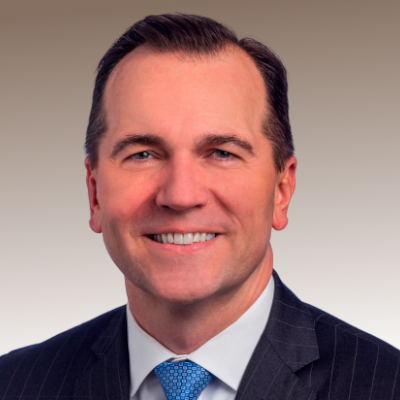
John Clemmons
House · District 55
|
D |
Strong +
|
100% | 7 |
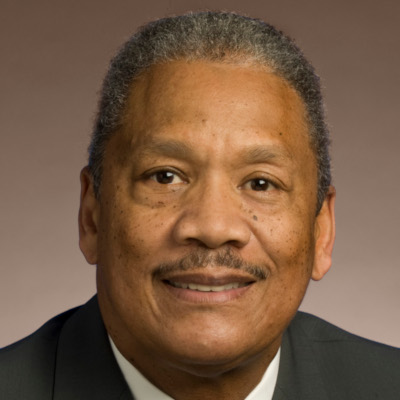
Larry Miller
House · District 88
|
D |
Strong +
|
100% | 7 |

Justin Jones
House · District 52
|
D |
Strong +
|
100% | 6 |
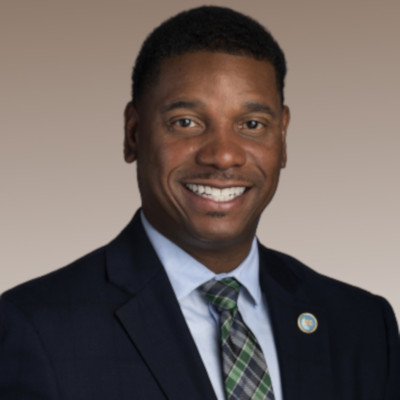
Vincent Dixie
House · District 54
|
D |
Strong +
|
100% | 5 |

Gabby Salinas
House · District 96
|
D |
Strong +
|
90% | 10 |
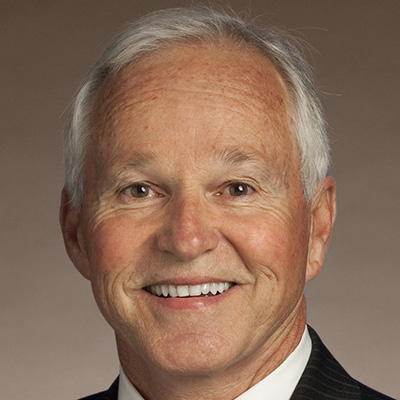
Ron Travis
House · District 31
|
R |
Strong −
|
0% | 8 |
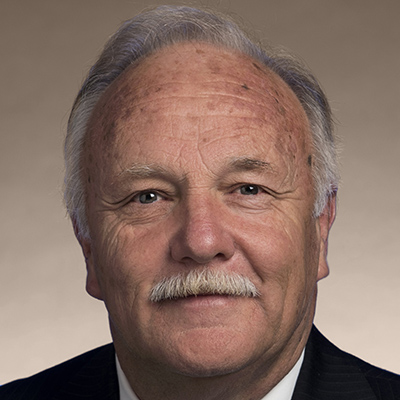
Bud Hulsey
House · District 2
|
R |
Strong −
|
0% | 6 |
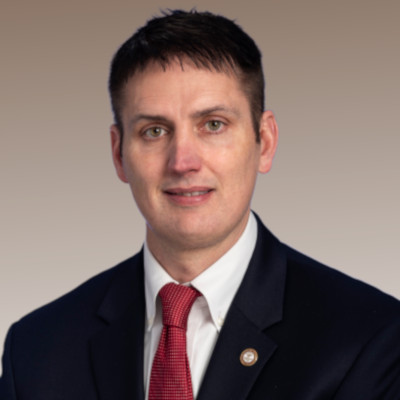
Lowell Russell
House · District 21
|
R |
Strong −
|
9% | 11 |
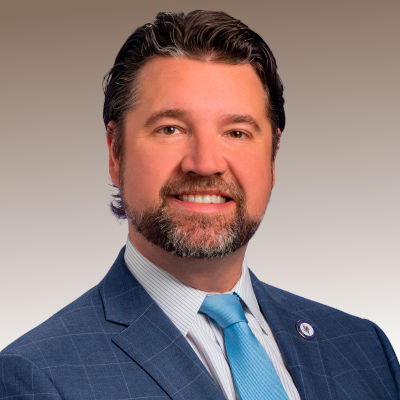
Andrew Farmer
House · District 17
|
R |
Strong −
|
10% | 10 |

Becky Jo Alexander
House · District 7
|
R |
Strong −
|
11% | 9 |
Showing 11–15 of 15
bills
All criminal justice bills
HB 1038: Courts, Juvenile - As enacted, requires the administrative office of the courts to maintain a criminal justice information services compliant centralized statewide juvenile case management system; requires all juvenile court clerks to adopt and convert to the new juvenile case management system on a schedule to be determined in consultation with the administrative office of the courts; makes related changes. - Amends TCA Title 8; Title 16; Title 18 and Title 37.
SB 992: Courts, Juvenile - As enacted, requires the administrative office of the courts to maintain a criminal justice information services compliant centralized statewide juvenile case management system; requires all juvenile court clerks to adopt and convert to the new juvenile case management system on a schedule to be determined in consultation with the administrative office of the courts; makes related changes. - Amends TCA Title 8; Title 16; Title 18 and Title 37.
HB 1004: Education, Dept. of - As introduced, requires the department to award grants to local education agencies that operate or authorize at least one public school located in a county with a county juvenile offense rate that is at least 10 percent higher than the statewide juvenile offense rate to enable such LEAs to provide after school programs for students in grades K-12. - Amends TCA Title 37 and Title 49.
Topics
✓ Criminal JusticeSupports Criminal JusticeFunds after-school programs in counties with high juvenile offense rates to prevent delinquency, aligning with criminal justice reform goals of reducing recidivism through early intervention.
✓ EducationSupports EducationFunds after-school programs for K-12 students in high-offense counties via grants, requiring educational activities and reporting on outcomes.
SB 583: Education, Dept. of - As introduced, requires the department to award grants to local education agencies that operate or authorize at least one public school located in a county with a county juvenile offense rate that is at least 10 percent higher than the statewide juvenile offense rate to enable such LEAs to provide after school programs for students in grades K-12. - Amends TCA Title 37 and Title 49.
Topics
✓ Criminal JusticeSupports Criminal JusticeFunds after-school programs in counties with high juvenile crime rates to prevent recidivism, directly addressing criminal justice reform through youth intervention.
✓ EducationSupports EducationSB 583 creates state grants to fund after-school educational programs in high-crime counties, expanding K-12 student access and providing direct funding for school programs.