

Issue · Criminal Justice
Criminal Justice (Drug Policy)
Every criminal justice bill, vote, and legislator stance in Tennessee, automatically classified by Maddy, our AI policy reader.
Total bills
39
114th Regular Session (2025-2026)
Top supporter
Jason Powell
67% support rate
Top opponent
Paul Rose
0% support rate
Ranked legislators
8
3 support · 5 oppose
Key legislators
Who's moving drug policy in Tennessee
| Legislator | Party | Stance | Support rate | Decisive votes |
|---|---|---|---|---|

Jason Powell
House · District 53
|
D |
Support
|
67% | 3 |
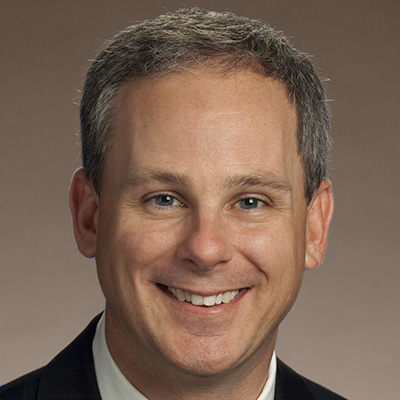
John Stevens
Senate · District 24
|
R |
Mixed
|
50% | 6 |

London Lamar
Senate · District 33
|
D |
Mixed
|
50% | 6 |

Paul Rose
Senate · District 32
|
R |
Strong −
|
0% | 6 |

Bobby Harshbarger
Senate · District 4
|
R |
Strong −
|
0% | 5 |

Brent Taylor
Senate · District 31
|
R |
Strong −
|
0% | 5 |

Dawn White
Senate · District 13
|
R |
Strong −
|
0% | 5 |

Todd Gardenhire
Senate · District 10
|
R |
Strong −
|
0% | 5 |
Showing 11–20 of 39
bills
All criminal justice bills
SB 1737: Criminal Offenses - As enacted, creates the offense for a person to knowingly travel, with intent to commit theft of another person's cash, from a commercial business; a financial institution; or an automated teller machine, on the same path or route as another person without substantial deviation from that path or route while in possession of two or more criminal instruments. - Amends TCA Title 39.
SB 1655: Criminal Offenses - As introduced, enacts "Matthew Davenport's Law," which creates a Class D felony offense of knowingly possessing Kratom; creates a Class B felony offense of knowingly manufacturing, delivering, or selling Kratom, or of knowingly possessing Kratom with intent to manufacture, deliver, or sell Kratom; punishes a violation of the offense as a Class A felony if the offense involved the delivery or sale of Kratom to a minor; requires toxicology tests in certain circumstances to include testing for Kratom; requires the commissioner of labor and workforce development to promulgate a rule to add Kratom to the definition of a drug in regard to workers' compensation claims. - Amends TCA Title 33, Chapter 2; Title 38; Title 39; Title 50; Title 63 and Title 68.
Sub-Topics
Drug Policy
HB 1649: Criminal Offenses - As enacted, enacts "Matthew Davenport's Law," which creates certain criminal offenses and testing requirements related to Kratom. - Amends TCA Title 33, Chapter 2; Title 38; Title 39; Title 50; Title 63 and Title 68.
SB 1656: Criminal Offenses - As enacted, enacts "Matthew Davenport's Law," which creates certain criminal offenses and testing requirements related to Kratom. - Amends TCA Title 33, Chapter 2; Title 38; Title 39; Title 50; Title 63 and Title 68.
Sub-Topics
Drug Policy
HB 1678: Criminal Offenses - As introduced, increases the penalties for a violation of the offense of introduction or possession of contraband into a penal institution from a Class C felony to a Class B felony for certain acts and certain types of contraband, from a Class D felony to a Class C felony for certain acts and certain types of contraband, and from a Class E felony to a Class D felony for certain acts involving a telecommunication device if the violation resulted in the death of another person. - Amends TCA Title 39 and Title 40.
Sub-Topics
Drug Policy
SB 2113: Criminal Offenses - As introduced, creates an offense to knowingly inhale, ingest, use, or possess any compound, liquid, gas, or chemical that contains nitrous oxide. - Amends TCA Title 39; Title 57, Chapter 7; Title 63 and Title 67, Chapter 4, Part 10.
HB 1539: Criminal Offenses - As introduced, creates an offense to knowingly inhale, ingest, use, or possess any compound, liquid, gas, or chemical that contains nitrous oxide. - Amends TCA Title 39; Title 57, Chapter 7; Title 63 and Title 67, Chapter 4, Part 10.
Sub-Topics
Drug Policy
HB 751: Criminal Offenses - As enacted, creates the offense of knowingly engaging in conduct that places a child in imminent danger of death, bodily injury, or physical or mental impairment by exposing the child to fentanyl, carfentanil, remifentanil, alfentanil, thiafentanil, or a fentanyl derivative or analogue; punishes the offense as a Class E felony if the child is over 8 and as a Class B felony if the child is 8 or less. - Amends TCA Title 37; Title 39 and Title 40.
Sub-Topics
Drug Policy