

Issue · Criminal Justice
Criminal Justice
Every criminal justice bill, vote, and legislator stance in Tennessee, automatically classified by Maddy, our AI policy reader.
Total bills
422
114th Regular Session (2025-2026)
Top supporter
Johnny Shaw
77% support rate
Top opponent
Tim Rudd
19% support rate
Ranked legislators
10
5 support · 5 oppose
Key legislators
Who's moving criminal justice in Tennessee
| Legislator | Party | Stance | Support rate | Decisive votes |
|---|---|---|---|---|
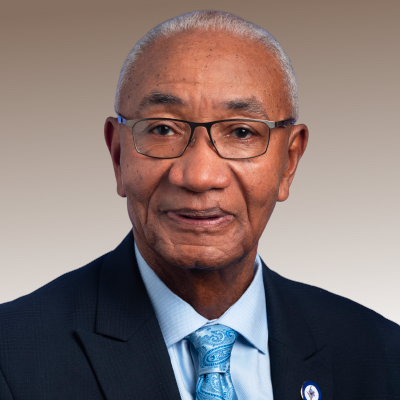
Johnny Shaw
House · District 80
|
D |
Support
|
77% | 56 |

John Clemmons
House · District 55
|
D |
Support
|
76% | 63 |

Harold Love
House · District 58
|
D |
Support
|
75% | 56 |

Bob Freeman
House · District 56
|
D |
Support
|
75% | 59 |

Joe Towns
House · District 84
|
D |
Support
|
74% | 73 |

Tim Rudd
House · District 34
|
R |
Strong −
|
19% | 59 |

Chris Todd
House · District 73
|
R |
Oppose
|
24% | 84 |
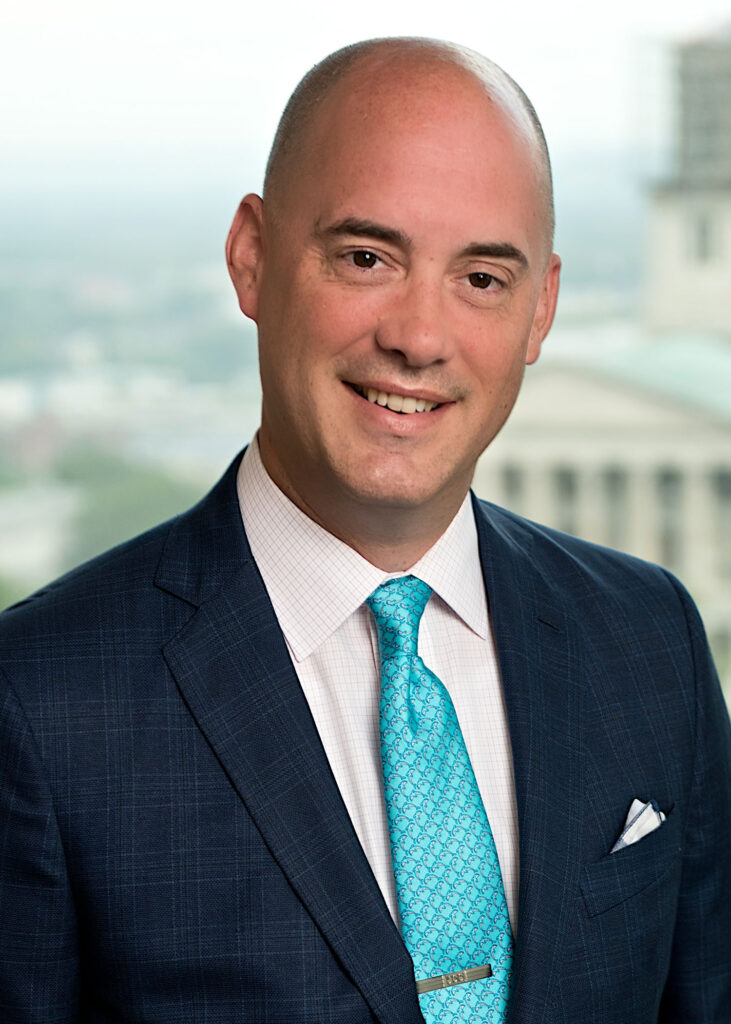
Johnny Garrett
House · District 45
|
R |
Oppose
|
24% | 75 |

Renea Jones
House · District 4
|
R |
Oppose
|
24% | 62 |

Dan Howell
House · District 22
|
R |
Oppose
|
25% | 71 |
Showing 111–120 of 422
bills
All criminal justice bills
SB 1840: Statutes of Limitations and Repose - As enacted, requires prosecution for vehicular homicide committed on or after July 1, 2026, to commence within 10 years from the date the offense occurs. - Amends TCA Title 28; Title 39 and Title 40.
SB 1754: Criminal Procedure - As introduced, removes the requirement for a petitioner for restoration of citizenship or an applicant for a certificate of employability to pay the costs of the proceedings; makes other changes to the process for restoration of citizenship. - Amends TCA Title 40, Chapter 29.
Topics
✓ Criminal JusticeSupports Criminal JusticeRemoves court fees for citizenship restoration and employability certificates, reducing financial barriers to reintegration for formerly incarcerated individuals, aligning with criminal justice reform goals.
✓ ImmigrationSupports ImmigrationRemoves court fees for citizenship restoration and employability certificates, reducing financial barriers for immigrants seeking rights/services.
SB 2095: Criminal Offenses - As introduced, increases the amount of marijuana that may be possessed, from one-half ounce to five ounces, for it to be considered a small amount of marijuana and punishable as a Class A misdemeanor; revises penalty to make it punishable by a $500 fine for a first offense and a $1,000 fine for a second or subsequent offense. - Amends TCA Title 39, Chapter 17.
Sub-Topics
Drug Policy
SB 1790: Correction, Dept. of - As enacted, authorizes the department to adopt or amend a formulary for use in the correctional facilities operated by or on behalf of the department. - Amends TCA Title 8; Title 41; Title 53; Title 56; Title 63; Title 68 and Title 71.
Topics
✓ Criminal JusticeSupports Criminal JusticeMandates equal coverage for FDA-approved non-opioid pain meds in correctional settings, promoting rehabilitation and reducing opioid dependency among inmates, aligning with criminal justice reform indicators.
✓ HealthcareSupports HealthcareRequires insurers to treat FDA-approved non-opioid pain meds equally with opioids in coverage, improving patient access to safer alternatives and reducing opioid reliance per healthcare policy goals.
HB 1581: Sunset Laws - As enacted, extends the inmate disciplinary oversight board to June 30, 2028. - Amends TCA Title 4, Chapter 29 and Title 41, Chapter 21, Part 10.
Sub-Topics
Corrections
SB 1634: Criminal Procedure - As introduced, removes the requirement for a petitioner for restoration of citizenship or an applicant for a certificate of employability to pay the costs of the proceedings. - Amends TCA Title 40, Chapter 29.
Topics
✓ Criminal JusticeSupports Criminal JusticeRemoves court fees for citizenship restoration and employability certificates, reducing financial barriers to reentry and aligning with criminal justice reform goals like rehabilitation and reducing recidivism.
✓ VeteransSupports VeteransRemoves court fees for veterans seeking citizenship restoration and employability certificates, directly aiding veteran employment and rights restoration per bill summary.
Sub-Topics
Courts
SB 1906: Criminal Offenses - As introduced, adds as an affirmative defense to the offense of criminal exposure of another to human immunodeficiency virus (HIV), proof by a preponderance of the evidence that a person infected with HIV was in compliance with a treatment regime prescribed by the person's healthcare provider to medically suppress the risk of HIV transmission. - Amends TCA Title 39, Chapter 13.
HB 1816: Drugs, Prescription - As enacted, requires the Tennessee opioid abatement council to allocate funds held in the opioid abatement fund in a certain manner. - Amends TCA Title 33; Title 38 and Title 41.
Topics
✓ Criminal JusticeSupports Criminal JusticeRequires law enforcement training on mental health involuntary admissions, reducing criminalization of mental health crises and aligning with reform goals.
✓ HealthcareSupports HealthcareMandates annual mental health training for law enforcement on involuntary admission criteria, improving protocol access to inpatient care and aligning with mental health service support indicators.
SB 2021: Welfare - As introduced, requires the commissioner of human services to provide to the commissioner of correction an application for food assistance to be used by inmates in state correctional institutions prior to release; requires the application to contain an option for the inmate to indicate a denial to apply for food assistance and reasons for doing so; requires the commissioner of correction to supply the application to each inmate prior to release; requires reports to the general assembly on certain data collected from the applications and on the number of inmates leaving incarceration who are approved for food assistance. - Amends TCA Title 41 and Title 71.
Sub-Topics
Corrections