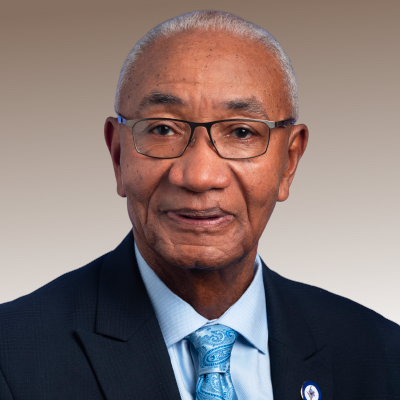
SB 468, the "Women's Safety and Protection Act," defines "female" and "male" biologically (based on reproductive systems at birth) for state law applications. It requires Tennessee state agencies to maintain separate facilities and accommodations for biological females in correctional facilities, juvenile detention centers, domestic violence shelters, restrooms, and dormitories to protect safety and privacy. The bill mandates that biological sex - not gender identity - determines eligibility for these spaces, prohibiting agencies from banning such distinctions in settings where safety or privacy is a concern. It applies directly to women, girls, and facilities serving them, with specific provisions for restrooms, sleeping quarters, and shelter access. The law overrides conflicting state laws to enforce these biological sex-based definitions.
HB 359 increases penalties for driving without a valid driver's license in Tennessee. It upgrades a first offense from a Class C to a Class B misdemeanor and makes a second or subsequent offense within 10 years a Class A misdemeanor. The bill directly affects drivers who operate vehicles without a valid license, with penalties applying to violations occurring on or after July 1, 2025. This change amends Tennessee Code Sections 55-50-301 and related provisions.
SB 693 increases penalties for certain child abuse offenses in Tennessee. It upgrades the punishment for knowingly causing injury to a child aged 9-17 from a Class A misdemeanor to a Class E felony. This change directly affects individuals convicted of such abuse, making the offense a felony charge. The bill amends Tennessee Code sections in Titles 36, 37, 39, and 40 and takes effect July 1, 2025, for offenses committed on or after that date.
SB 685 revises Tennessee's laws on unlawful photography, increasing penalties for taking unauthorized photos of others. It upgrades the offense to a felony (Class E, D, or C depending on circumstances) and adds specific aggravating factors, such as when the victim is under 13 years old or when the perpetrator holds a position of trust (e.g., a teacher or coach). The bill also mandates that offenders register as sexual offenders under Tennessee's registry law. These changes apply to acts committed on or after July 1, 2025.
SB 1296 creates two new criminal offenses in Tennessee: (1) threatening to commit "mass violence" (defined as an act likely to cause serious injury or death to four or more people), and (2) posting someone’s home address or phone number online with intent to cause harm. The bill directly affects individuals whose personal information is shared online for malicious purposes and targets threats made in places like schools, government buildings, or events. Violations of the first offense range from a Class E felony (standard) to Class D felony if the threat involves schools, events, or weapons preparation. The bill takes effect July 1, 2025, and excludes public officials acting within legal duties.
SB 1082 amends Tennessee law to add 30+ new offenses to the list of "dangerous felonies" that trigger stricter penalties for firearm possession during or after committing those crimes. It directly affects individuals convicted of specific violent or serious crimes like aggravated robbery, rape, human trafficking, meth manufacturing, or aggravated burglary who possess firearms during or attempt such offenses. The key mechanism expands the existing list of dangerous felonies (e.g., adding "aggravated stalking," "trafficking for commercial sex acts," and "meth manufacturing" to the list) so that firearm possession during these crimes becomes a separate offense with enhanced penalties. This bill takes effect July 1, 2025.
HB 69 requires Tennessee to create two secure electronic portals by January 1, 2028, to verify voter eligibility before processing registration applications. The first portal will let county election offices check if applicants are U.S. citizens using records from the Department of Safety (like driver's license data), and the second will verify felony conviction status using Tennessee Bureau of Investigation (TBI) records. The bill also updates driver's license laws to require proof of U.S. citizenship for new licenses and removes references to non-citizens in eligibility criteria. These changes directly affect voter applicants, county election administrators, and the Department of Safety/TBI in their verification processes.
HB 99 revises Tennessee's unlawful photography law (TCA § 39-13-605) to strengthen penalties and protections. It upgrades certain offenses to higher felony classifications (e.g., Class E felony for non-minor offenses, Class D felony when a minor under 13 is involved), adds mandatory sex offender registration for violations, and specifies aggravating factors like using a position of trust over a victim. The law directly affects individuals who take unauthorized photos in private settings, particularly when minors under 13 are involved or the offender holds a position of authority over the victim. Key provisions include increased criminal penalties, mandatory registration under Tennessee’s sex offender registry, and updated definitions for sentencing. The bill takes effect July 1, 2025.
HB 578 expands Tennessee's list of "dangerous felonies" to include new offenses like human trafficking, aggravated stalking, methamphetamine manufacturing, and drug trafficking. This change means that if someone possesses a firearm (including antique firearms) while committing or attempting any of these newly listed crimes, they face enhanced penalties. The bill directly affects individuals convicted of these specific offenses who own firearms, increasing legal consequences for firearm possession during such crimes. It amends Tennessee Code Annotated § 39-17-1324 to add 14 new offenses to the existing dangerous felony list, effective July 1, 2025.
HB 1409 is Tennessee's enacted state budget for fiscal years 2024 and 2025, authorizing funding for all state government operations. It allocates specific amounts to the legislative branch (including $33.6 million for the House of Representatives), judicial systems (covering courts, legal aid, and court services), and executive agencies (such as the Attorney General's office). The bill details funding for routine functions like salaries, court operations, and public services, without creating new policies or programs. It became law on May 21, 2025, and takes effect July 1, 2025.