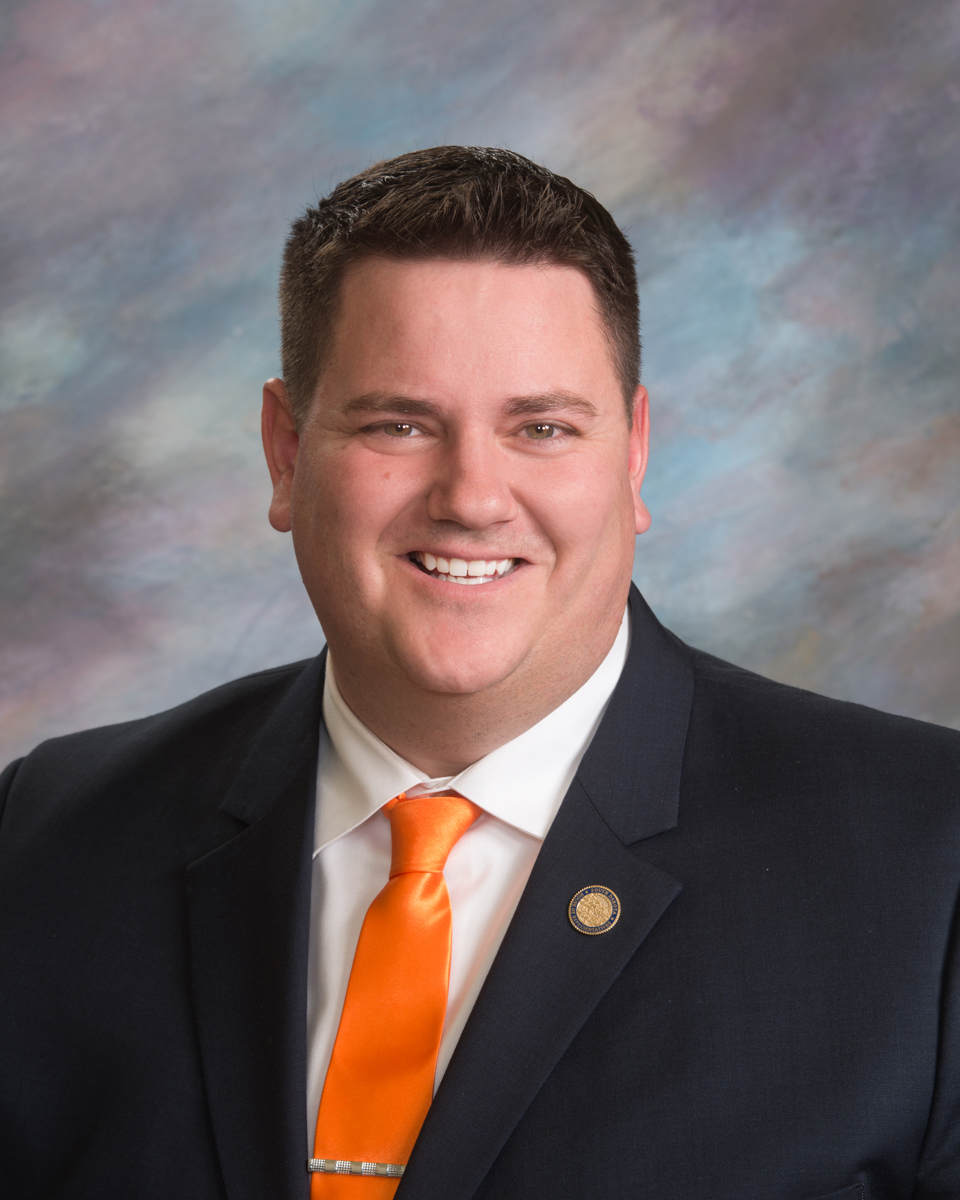
HB 1298 prohibits publishing a judicial or law enforcement officer's home address, date of birth, or social security number online without their consent if done with the intent to cause fear for the officer's safety or their immediate family's safety. The law applies only to electronic publications and targets individuals who share such sensitive personal information under these specific conditions. Violating this prohibition is classified as a Class 6 felony. The bill directly protects officers by restricting the online dissemination of their personal details that could enable threats or harassment.
SB 41 revises South Dakota's criminal invasion of privacy law to prohibit creating, distributing, or selling digitally manipulated images or videos that falsely depict an identifiable person as nude or engaged in sexual acts. It specifically targets content that appears authentic to an ordinary person but was altered to misrepresent the individual. The law defines "digitally fabricated material" as manipulated images, videos, or depictions that falsely show an identifiable person in states of nudity or sexual activity. Violating this provision is a Class 5 felony, with penalties applying when the manipulated content is shared to harass or embarrass the person depicted.
South Dakota's SB 49 requires direct-to-consumer genetic testing companies to protect consumers' genetic data and privacy. It mandates clear privacy policies, separate express consent for each data use (including research, marketing, or sharing with third parties), and security programs to prevent unauthorized access. Companies must also allow consumers to access, delete their data, or request destruction of biological samples within 30 days of revoking consent. This law directly affects South Dakota residents using these services and genetic testing companies operating in the state.
This bill updates South Dakota's search and seizure laws to explicitly include digital currency as "property" covered by existing warrant procedures. It defines digital currency as value recorded on blockchain or similar distributed ledger technology (e.g., Bitcoin). The change ensures law enforcement must follow standard warrant processes when seeking digital currency, aligning it with how physical property is treated under current law. This directly affects law enforcement investigations involving digital assets and individuals holding such currency.
SB 98 requires operators of virtual currency kiosks in South Dakota to obtain a license under existing financial regulations (Chapter 51A-17). It mandates detailed reporting to the state, including transaction volumes, user complaints, refund requests, and suspicious activity. The bill also requires kiosk operators to provide users with receipts containing transaction details, exchange rates, virtual currency addresses, and refund policies. These provisions directly affect kiosk operators (licensees) and users engaging in virtual currency transactions at these locations. The law aims to increase transparency and accountability in virtual currency kiosk operations.
SB 75 expands eligibility for South Dakota's cybersecurity services initiative to include nonprofit utility companies and utilities operated by local governments (like cities or counties). It appropriates $7 million from the general fund to the Attorney General's Office to fund cybersecurity infrastructure and administrative costs for eligible entities. The bill modifies existing law to allow these newly included organizations to access the initiative's resources, which previously covered only counties and municipalities. Funds must be used to protect IT assets and address specific cybersecurity needs of participating local governments and utilities. The initiative aims to improve cybersecurity across state government and service provider networks.
This bill amends existing state consumer protection laws to add requirements for age verification and parental consent for application stores, which are digital platforms where users download software applications. The legislation would require these stores to verify the age of users and obtain parental consent from minors before allowing them to access or download applications. It also establishes penalties for businesses that fail to comply with these new verification and consent requirements. The bill does not create new consumer protection categories but rather modifies existing deceptive trade practices provisions to include digital application store compliance.
SB 205 revises drone registration fees in South Dakota, charging 1.5% of purchase price for agricultural drones and 2% for all other drones. The collected fees fund a new "drone aviation fund" administered by the Board of Technical Education to support drone training grants at state technical colleges. This bill directly affects drone owners (especially agricultural users) by changing their registration tax rates and creating a dedicated funding source for drone industry workforce development. The fund will receive all drone registration fees and interest, with expenditures requiring annual budget approval. The bill does not apply to small unmanned aircraft systems covered under federal regulations.
HB 1155 amends South Dakota's investment rules to allow the state to allocate up to 10% of its investment funds into Bitcoin. The bill specifically defines Bitcoin as a digital asset meeting strict network criteria (starting from its 2009 genesis block) and requires all Bitcoin holdings to be stored through secure custody solutions or qualified custodians. It applies only to state investment funds, not individual citizens or private entities, and explicitly prohibits investments in other digital assets like cryptocurrency exchanges. The bill does not authorize new spending but modifies existing investment guidelines to include Bitcoin under defined security and limit requirements.