





Issue · Environment

Environment

Every environment bill, vote, and legislator stance in South Dakota, automatically classified by Maddy, our AI policy reader.

Total bills
1
2026 Regular Session
Top supporter
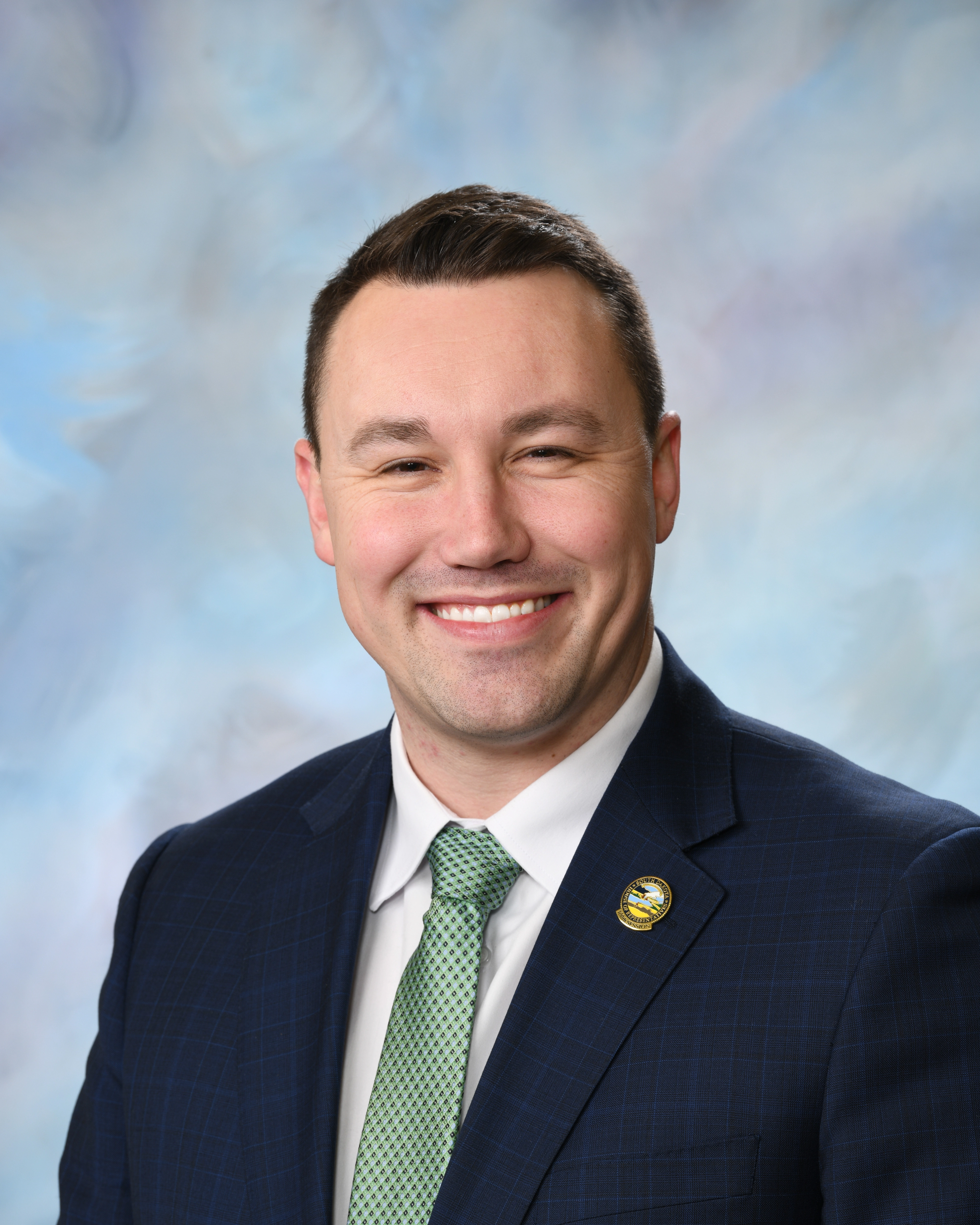
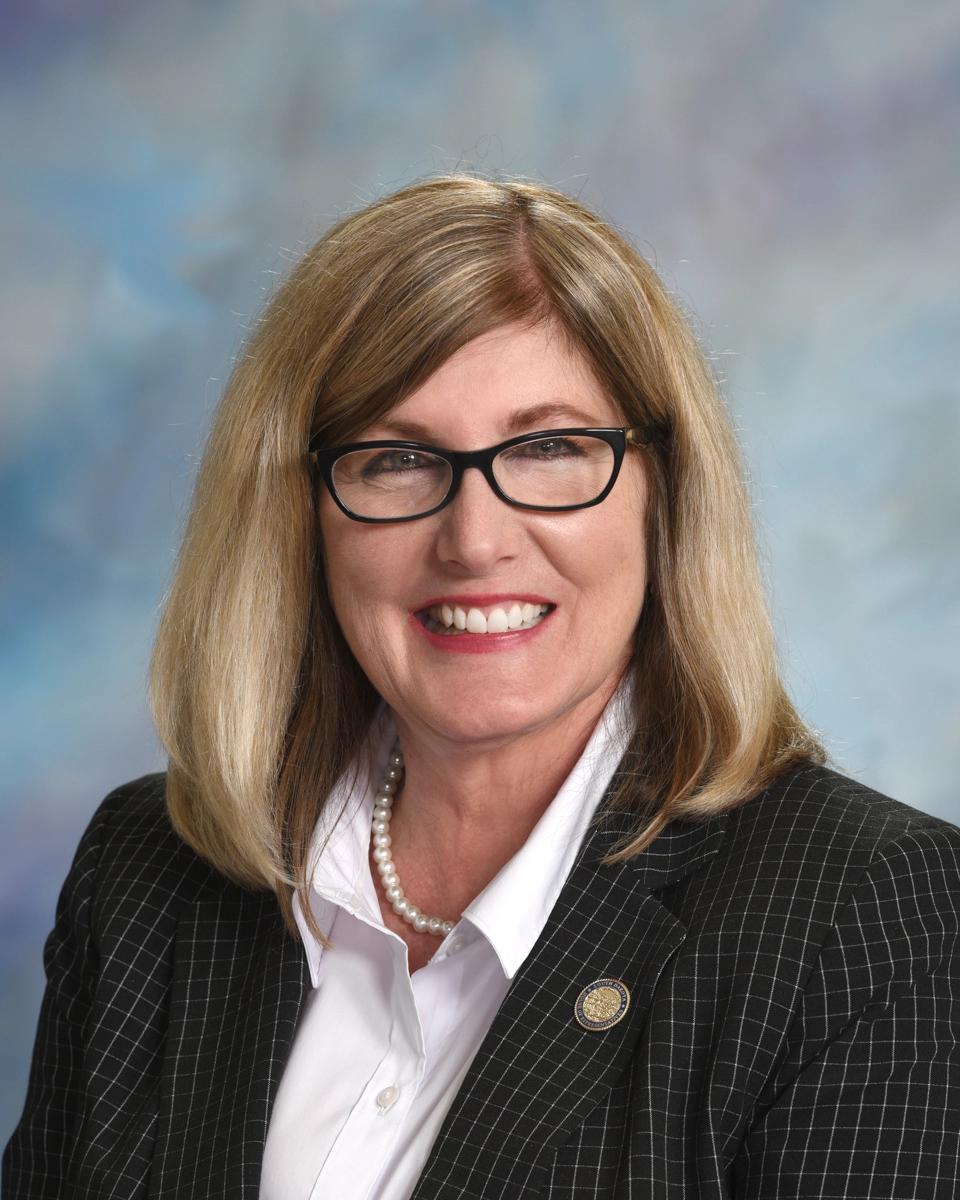
Nicole Uhre-Balk
100% support rate
Top opponent
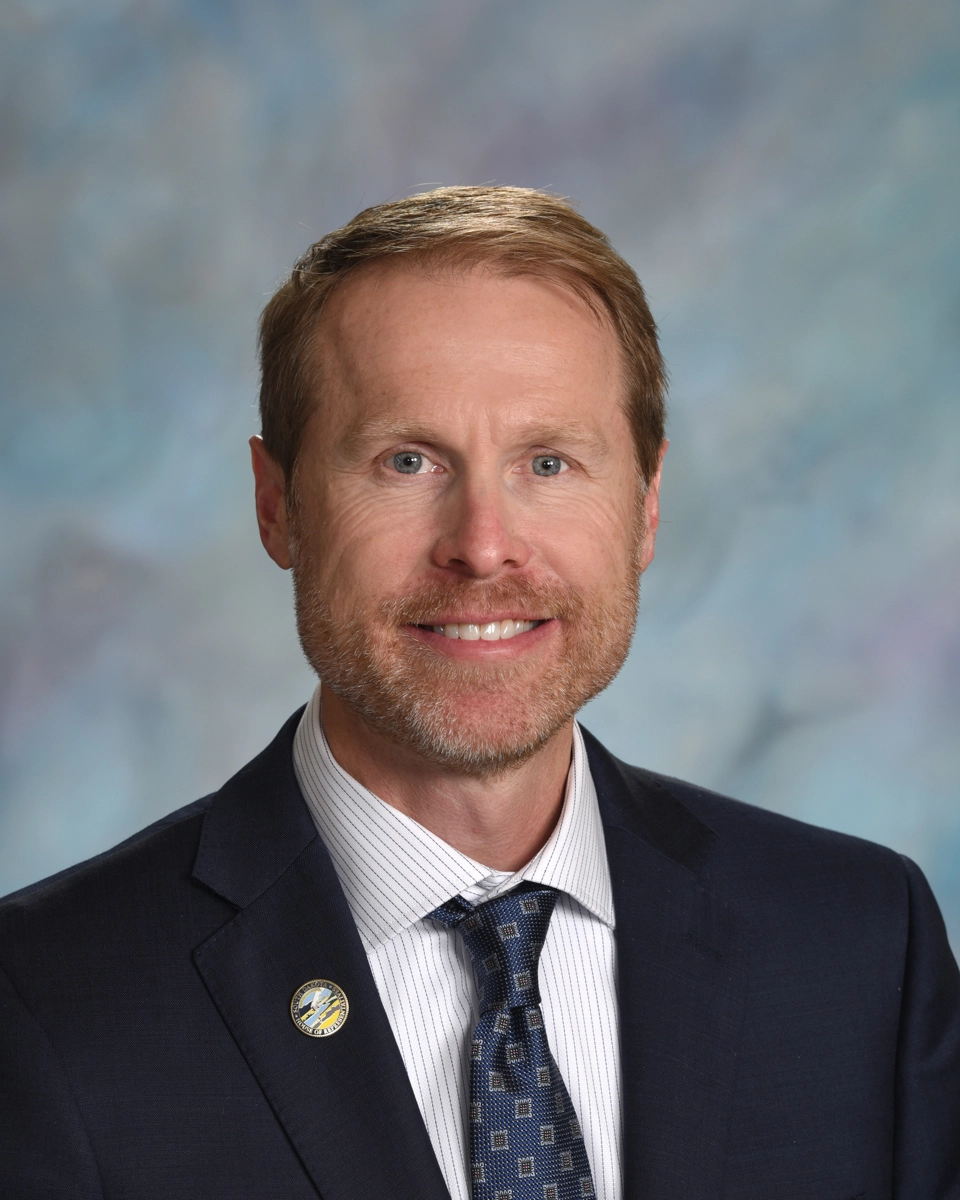
Tina Mulally
12% support rate
Ranked legislators
10
5 support · 5 oppose
Key legislators

Who's moving environment in South Dakota

Legislators moving environment in South Dakota
Legislator Party Stance Support rate Votes
Nicole Uhre-Balk
Nicole Uhre-Balk House · District 32
D
Strong +
100% 24
Erik Muckey
Erik Muckey House · District 15
D
Strong +
100% 21
Scott Odenbach
Scott Odenbach House · District 31
R
Strong +
100% 22
Mary Fitzgerald
Mary Fitzgerald House · District 31
R
Strong +
100% 21
Marty Overweg
Marty Overweg House · District 21
R
Strong +
92% 32
Tina Mulally
Tina Mulally House · District 35
R
Strong −
12% 18
Aaron Aylward
Aaron Aylward House · District 6
R
Oppose
25% 20
Dylan Jordan
Dylan Jordan House · District 4
R
Oppose
29% 20
Phil Jensen
Phil Jensen House · District 33
R
Oppose
29% 21
Logan Manhart
Logan Manhart House · District 1
R
Mixed −
43% 21
Showing 1 of 1 bills

All environment bills

signed · South Dakota · Senate Mar 30, 2026

SB 222: make an appropriation for eligible water, wastewater, storm water, and riparian buffer initiative projects and to declare an emergency.

SB 222 appropriates $10 million from South Dakota's general fund to the Department of Agriculture and Natural Resources for grants supporting water, wastewater, storm water, and nonpoint source pollution projects. It directly affects municipalities and water systems serving residents, with funding calculated as a percentage of project costs based on population: up to 80% for systems serving ≤1,000 people (capped at $9,000/person), 50% for 1,001-2,500 people ($7,000/person), and 30% for >2,500 people ($3,000/person). Projects addressing regionalization, drought resiliency, or environmental compliance may exceed these caps, and engineering studies for long-term water issues can receive up to 100% funding. The bill declares an emergency to expedite funding and requires projects to align with the state water plan.