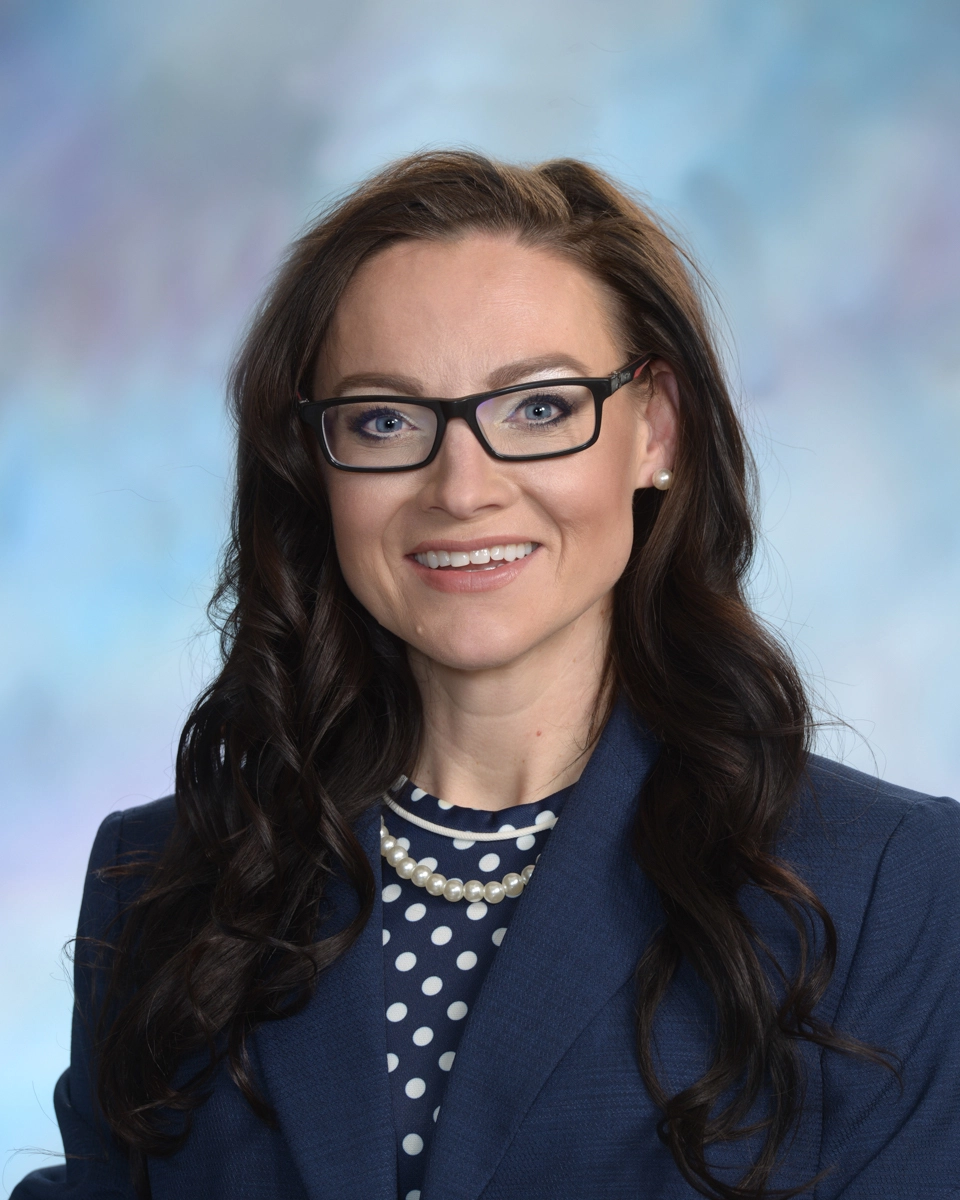
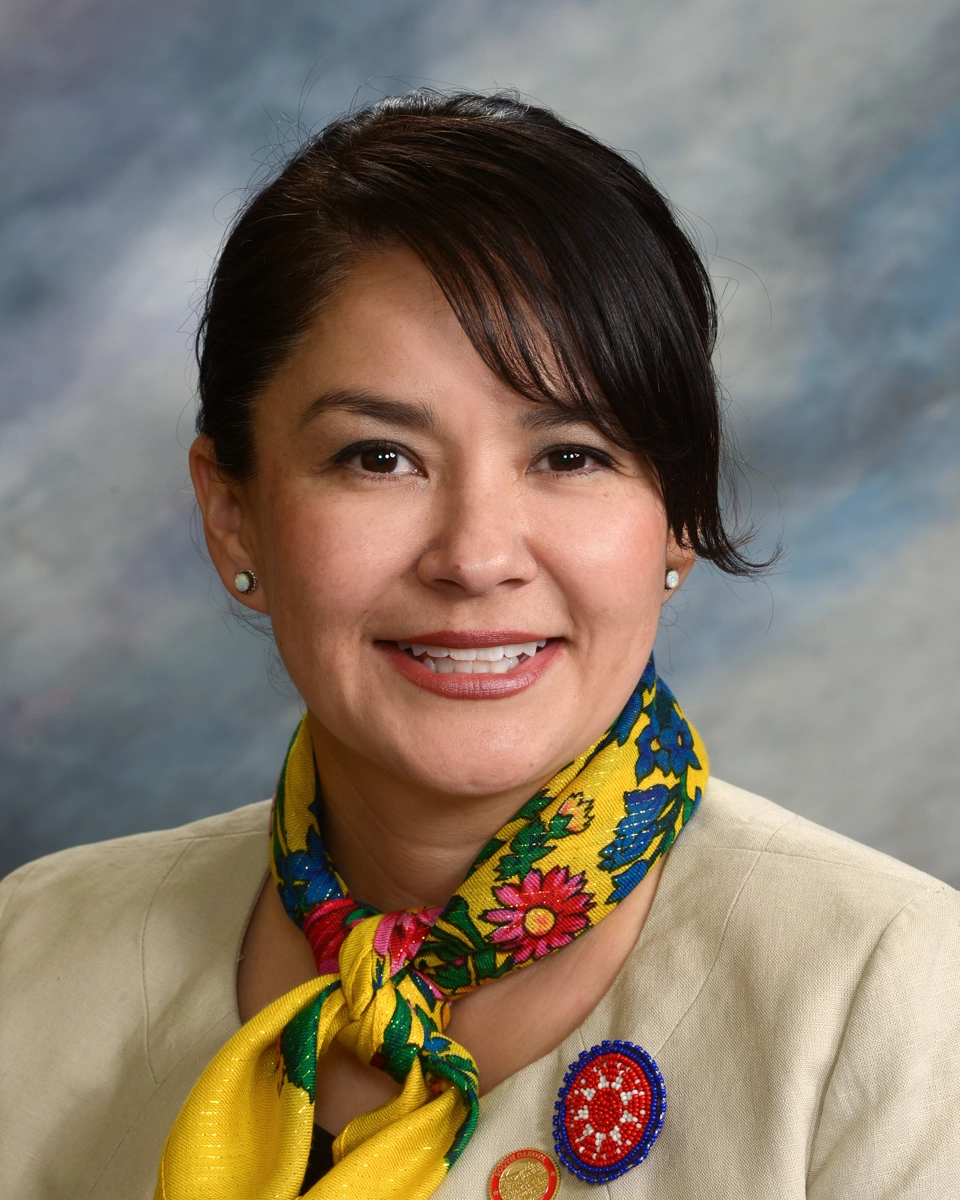
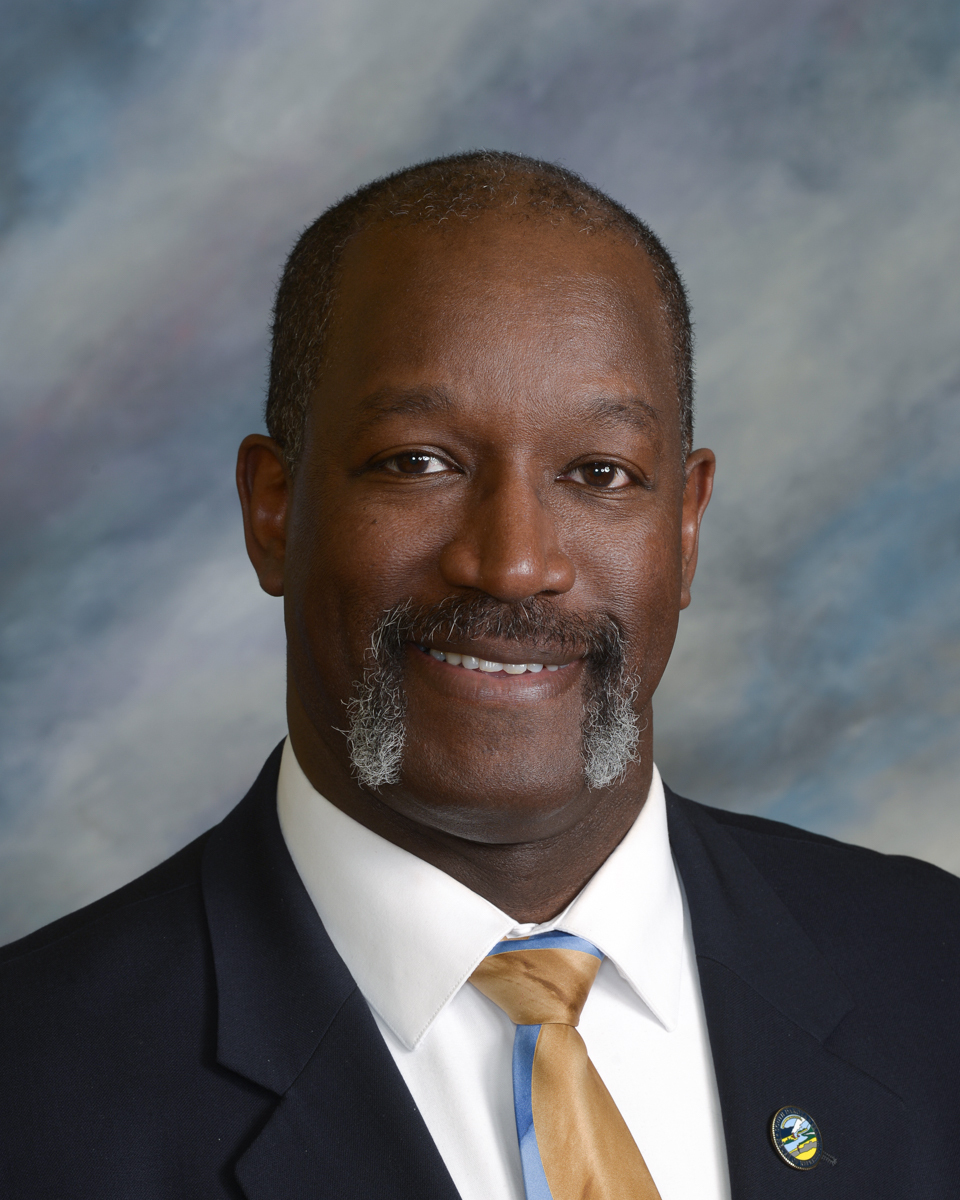
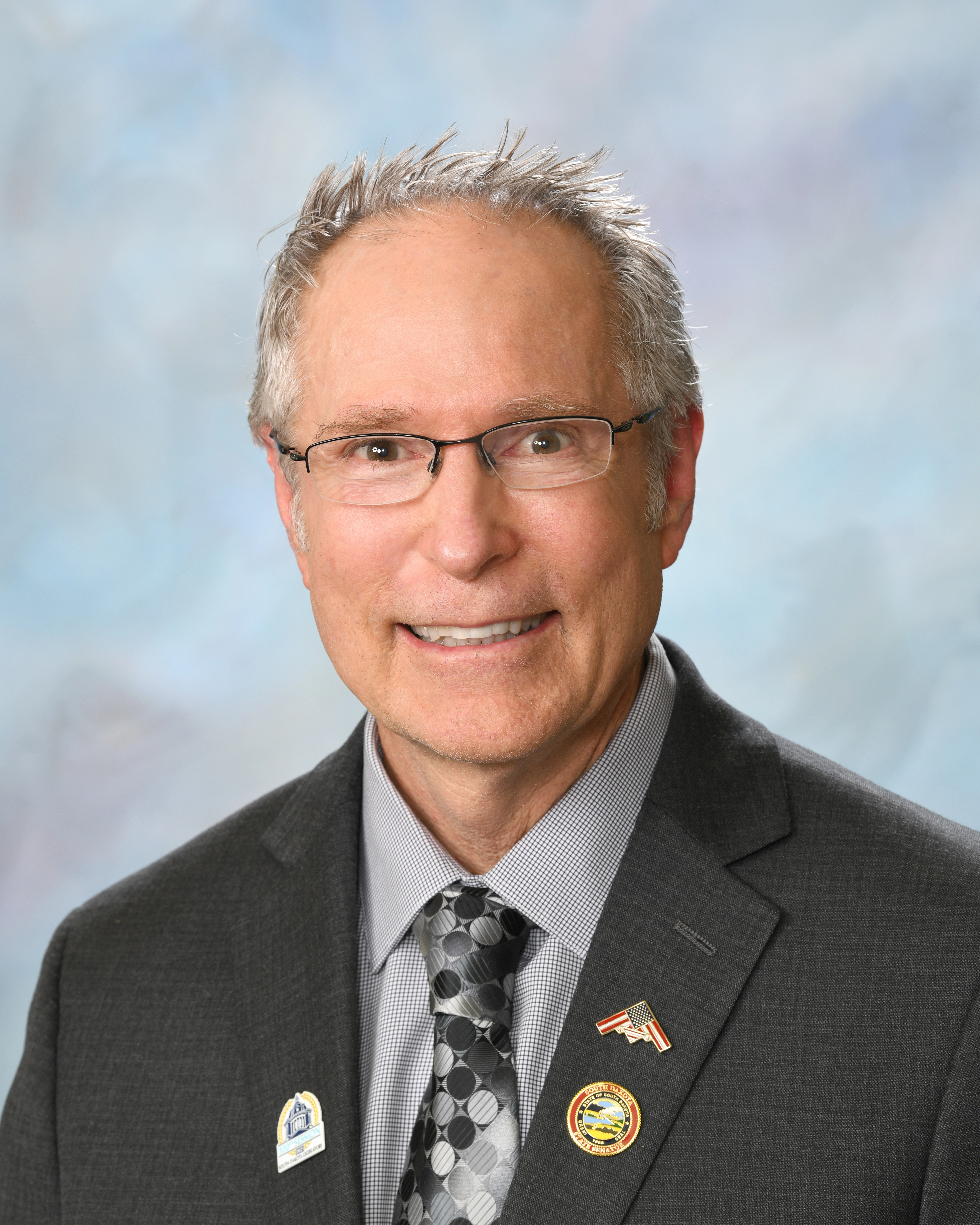
Key legislators
Who's moving education in South Dakota
Showing 3 of 3
bills
All education bills
This bill requires South Dakota public schools to teach prenatal human growth and development in health or science classes using specific materials. It mandates that schools use resources recommended by the state Board of Education, including at least three minutes of high-definition ultrasound videos showing organ development or computer-generated animations of prenatal growth from fertilization to birth. The law prohibits using any materials from entities that perform, promote, or refer to abortion services. This directly affects K-12 public school curricula in South Dakota, altering required health/science content.
HB 1130 amends South Dakota school districts' capital outlay fund rules to allow new uses. It specifically permits districts to spend these funds on textbooks (§ 13-16-6(5)(b)), instructional software purchases or renewals (§ 13-16-6(6)), and warranties for capital assets (excluding supplies, § 13-16-6(5)(a)). The bill also clarifies that districts may use up to 15% of transportation contracts or mileage reimbursement costs from this fund. Additionally, it allows transferring up to 45% of annual capital fund revenues to the general fund, while maintaining that small purchases ($1,000 or less) must come from the general fund instead. This directly affects South Dakota public school districts managing their capital budgets.
This bill reduces property taxes for homeowners by lowering the mill levy rate on owner-occupied single-family homes from $5.21 to $20.51 per $1,000 of taxable value (with the exact figure clarified in the bill text). It simultaneously raises the state sales tax from 4.2% to 4.7% for 2026-2027 and to 5% after 2027, and expands the gross receipts tax to cover more services like dry cleaning, beauty shops, and rentals. The revenue from these tax increases is explicitly allocated to replace lost school district property tax revenue and fund pay raises for state and school employees. The bill ensures school districts maintain their total funding levels under the new system.