

Issue · Criminal Justice
Criminal Justice (Drug Policy)
Every criminal justice bill, vote, and legislator stance in South Dakota, automatically classified by Maddy, our AI policy reader.
Total bills
2
2026 Regular Session
Top supporter
Erik Muckey
100% support rate
Top opponent
Tamara Grove
0% support rate
Ranked legislators
10
5 support · 5 oppose
Key legislators
Who's moving drug policy in South Dakota
| Legislator | Party | Stance | Support rate | Votes |
|---|---|---|---|---|
Erik Muckey
House · District 15
|
D |
Strong +
|
100% | 3 |
Aaron Aylward
House · District 6
|
R |
Support
|
75% | 4 |
Al Novstrup
House · District 3
|
R |
Support
|
75% | 4 |
Kadyn Wittman
House · District 15
|
D |
Support
|
75% | 4 |
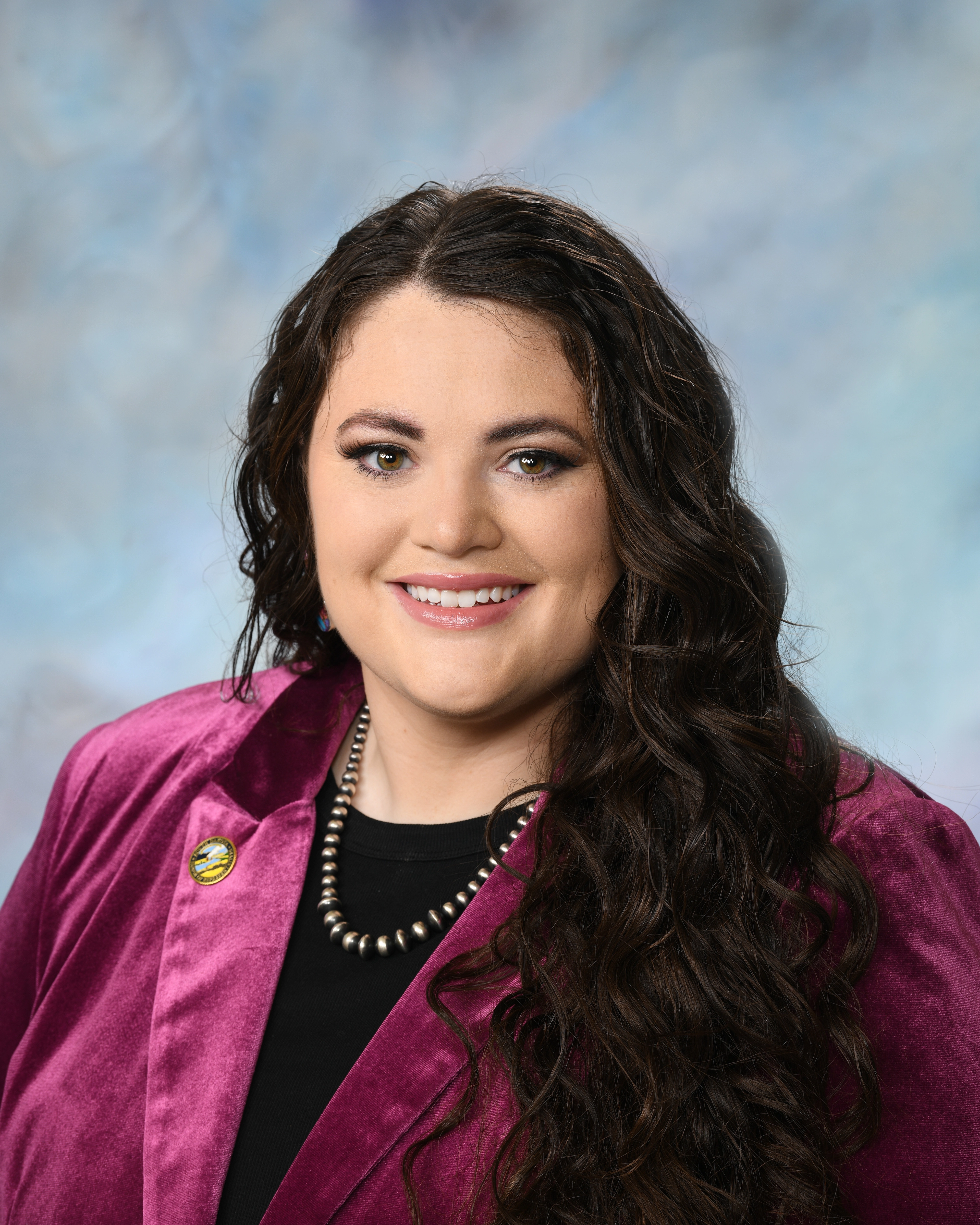
Kaley Nolz
House · District 20
|
R |
Support
|
75% | 4 |
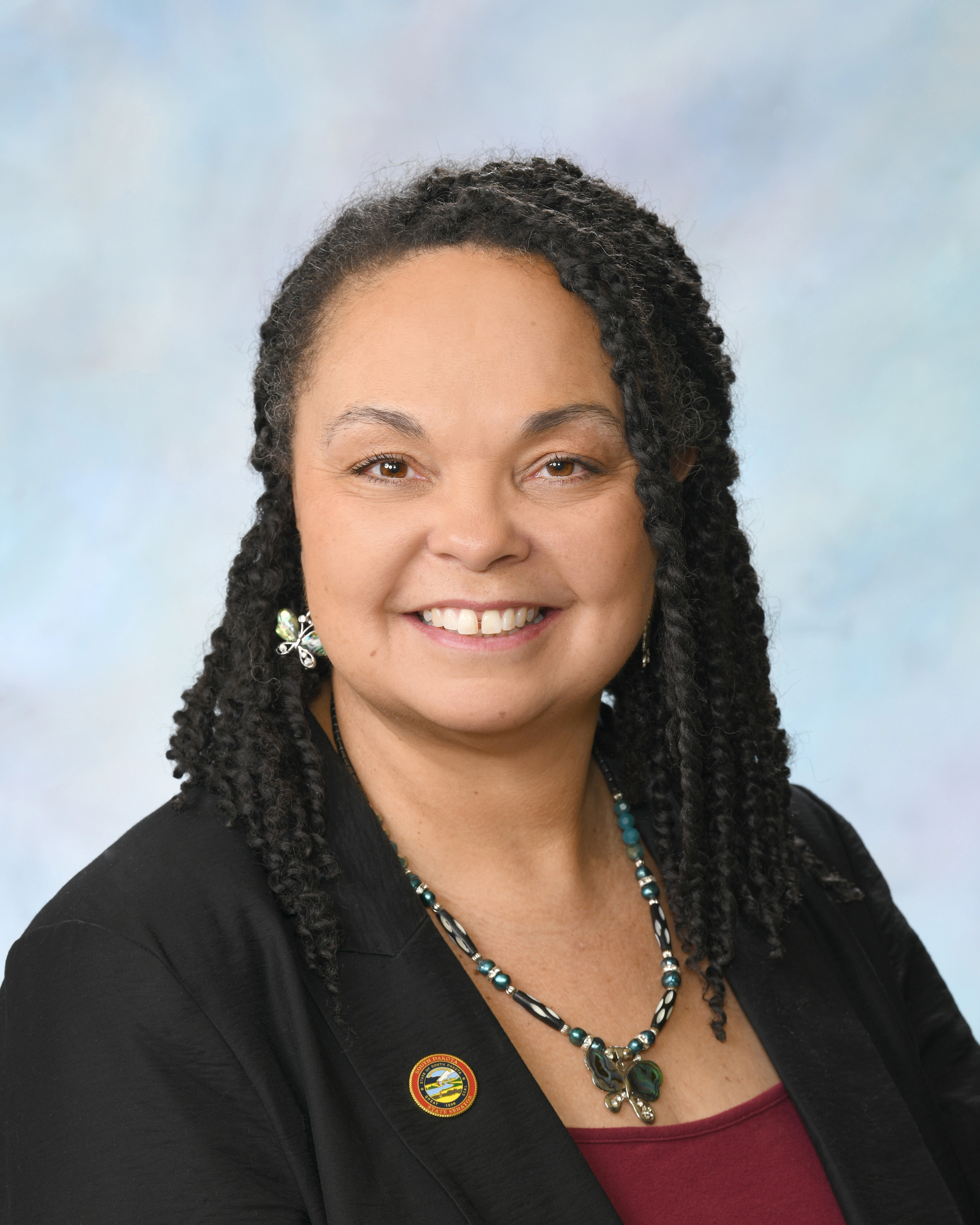
Tamara Grove
Senate · District 26
|
R |
Strong −
|
0% | 3 |
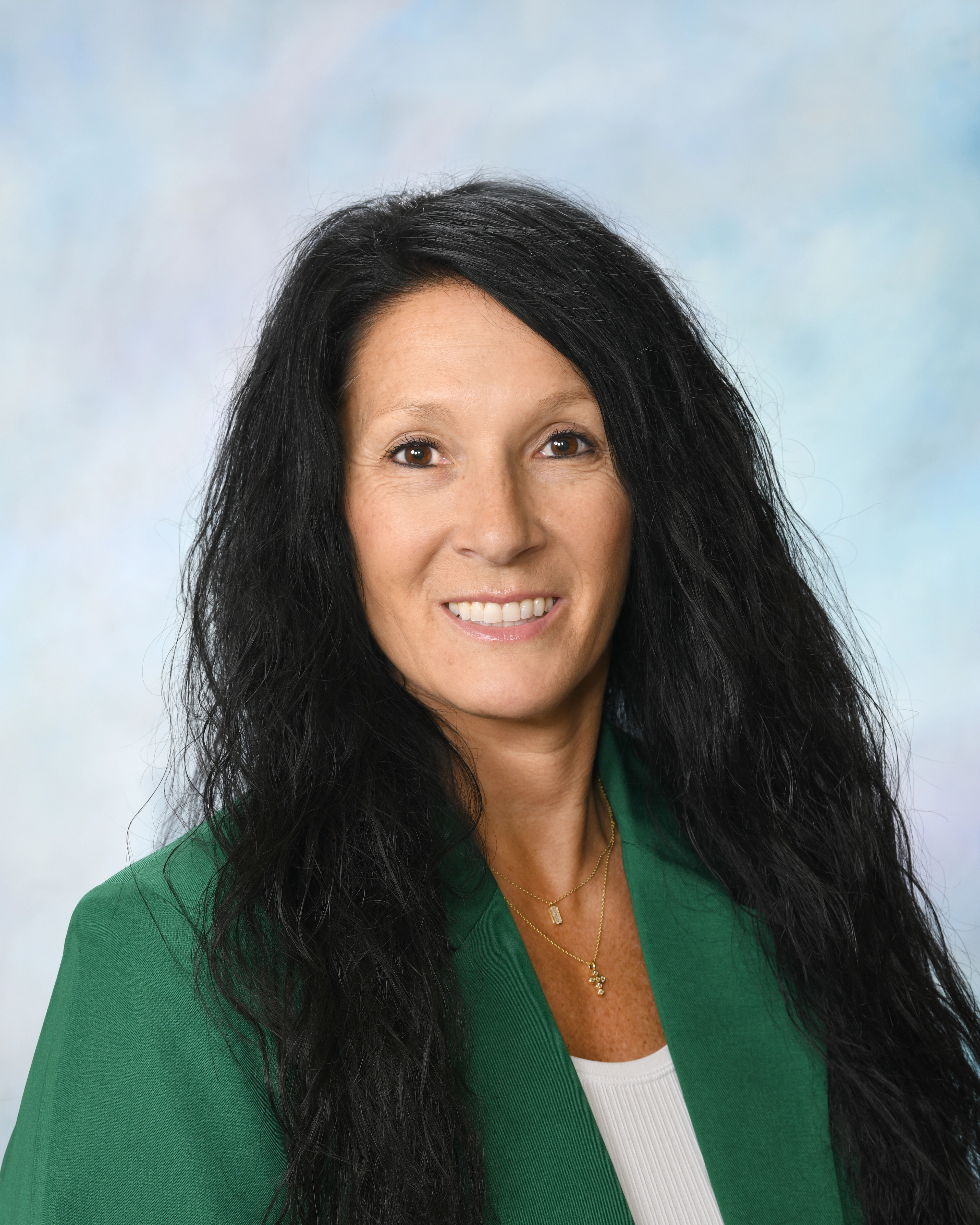
Heather Baxter
House · District 34
|
R |
Strong −
|
17% | 6 |
Les Heinemann
House · District 25
|
R |
Strong −
|
17% | 6 |
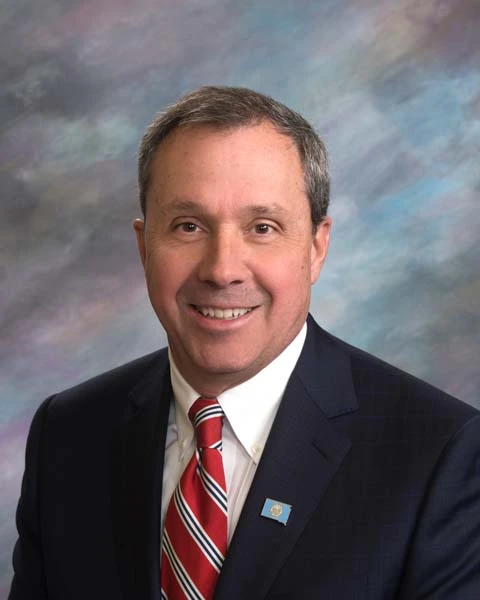
Greg Jamison
House · District 12
|
R |
Oppose
|
25% | 4 |
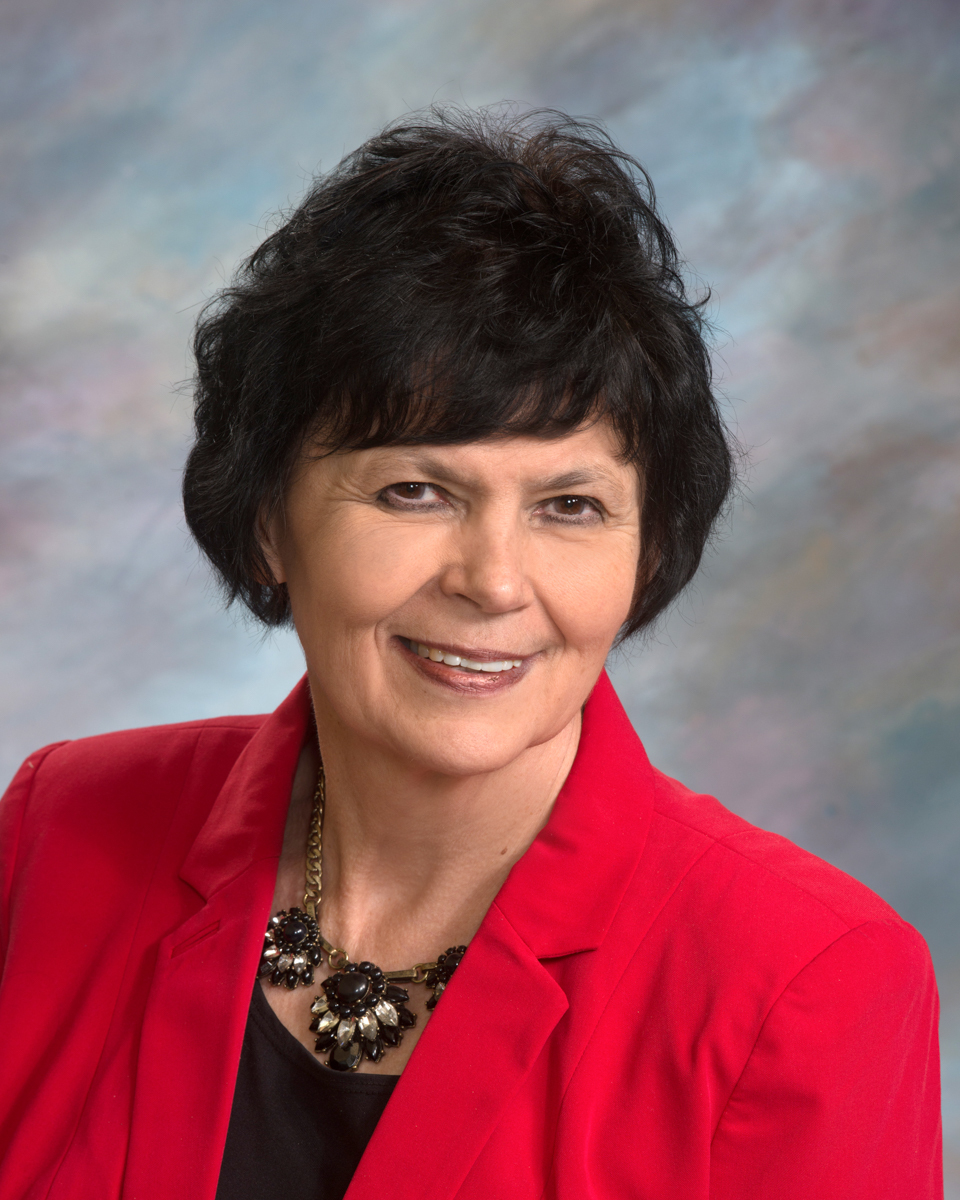
Lana Greenfield
House · District 22
|
R |
Oppose
|
25% | 4 |
Showing 2 of 2
bills
All criminal justice bills
HB 1183: revise qualifications for immunity from prosecution following a drug-related overdose.
Topics
✓ Criminal JusticeSupports Criminal JusticeClarifies immunity for overdose callers seeking medical help, reducing criminalization of drug use during emergencies and aligning with public health-focused criminal justice reform.
✓ HealthcareSupports HealthcareClarifies immunity for seeking overdose medical help, removing legal barriers to emergency care access, aligning with public health safety goals.