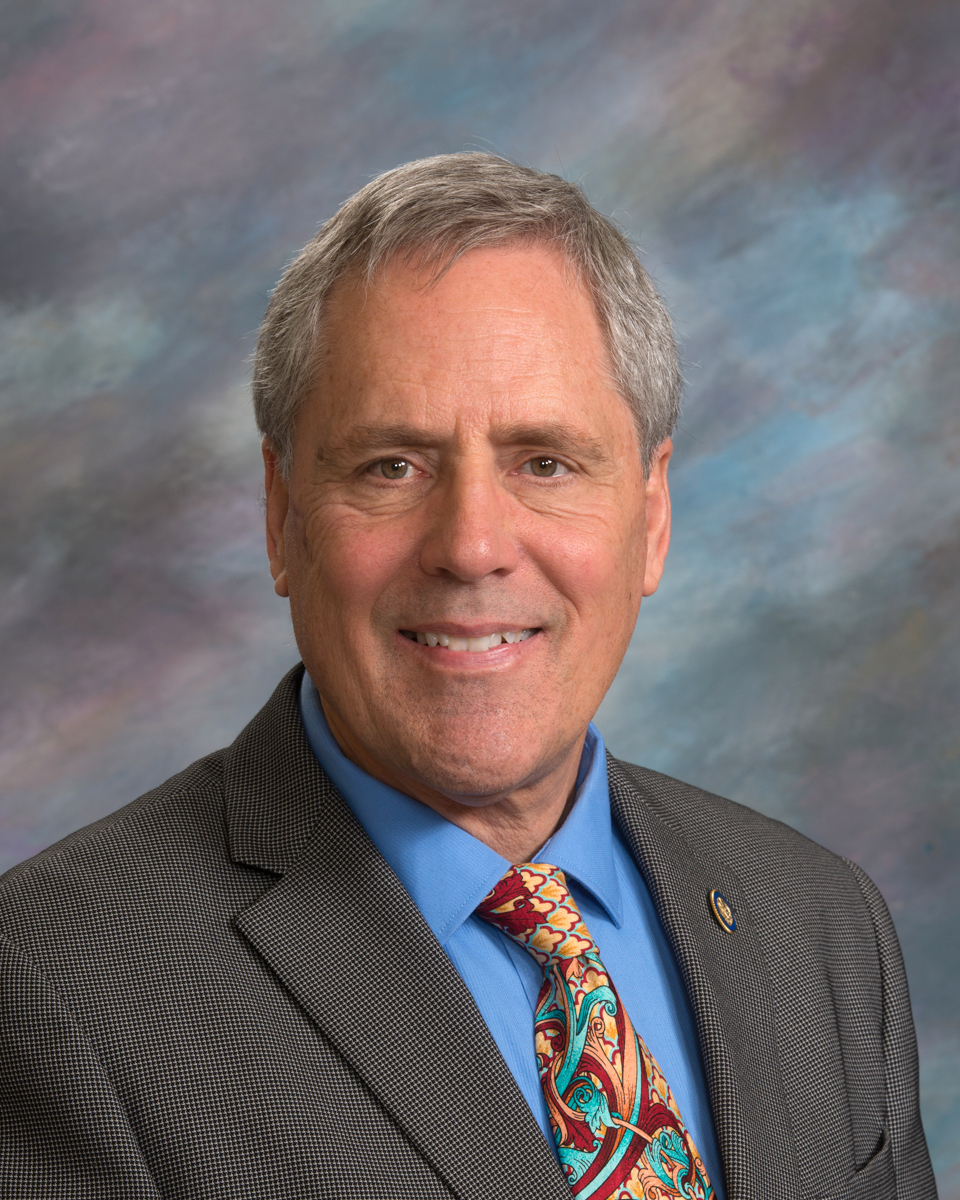
Key legislators
Who's moving criminal justice in South Dakota
Showing 3 of 3
bills
All criminal justice bills
HB 1126 revises South Dakota's penalties for repeat driving under the influence (DUI) offenses. It targets individuals with five or more prior DUI convictions within 15 years (down from 25 years), requiring a mandatory minimum six-year prison sentence for a sixth or subsequent offense, with at least one year on parole. The bill mandates specific monitoring tools like ignition interlocks or alcohol bracelets during supervision and extends driver's license revocation periods, with limited exceptions for employment or medical needs after completing treatment. These changes apply directly to repeat DUI offenders meeting the revised conviction thresholds.
HB 1015 creates a two-year pilot program (ending December 31, 2027) in South Dakota's Unified Judicial System allowing judges to supervise defendants charged with misdemeanors or felonies instead of requiring jail time before trial. Judges may impose release conditions through presentence court services officers, following existing legal standards. The program requires the judicial system to report detailed results by December 2027, including defendant appearance rates, new charges, missed court dates, and program costs. This directly affects defendants facing misdemeanor or felony charges who qualify for supervised pretrial release under the pilot.
South Dakota's HB 1083 creates a new felony charge for stalking public officials, separate from general stalking offenses. It defines "public official" to include elected state/federal leaders, legislators, judges, and law enforcement officers. The bill specifies that intentionally stalking these officials with the intent to cause fear of death or serious harm constitutes a Class 6 felony, carrying the same penalty as existing felony stalking of children. This amendment modifies existing stalking laws (§ 22-19A-1) by adding a specific provision for public officials, without changing penalties for general stalking or stalking children. The law directly affects public officials and those who target them through repeated following, threats, or harassment.