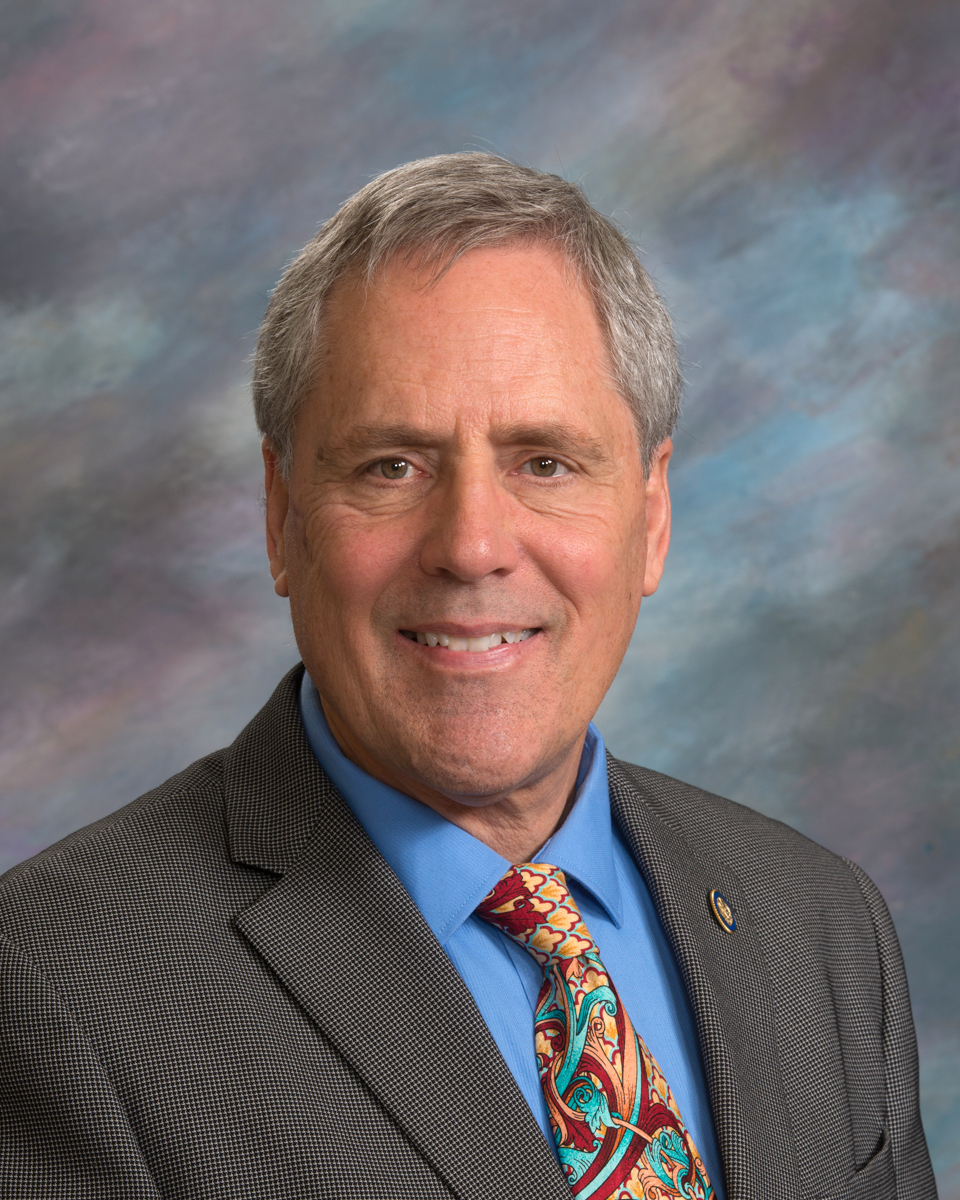
Key legislators
Who's moving criminal justice in South Dakota
Showing 11–15 of 15
bills
All criminal justice bills
SB 81 clarifies South Dakota's law against harming service animals by specifying that it is illegal to maliciously beat, injure, harass, or interfere with a service animal that is controlled by a person with a disability and wearing a harness or control device. The bill directly affects individuals with disabilities who rely on service animals and anyone who might harass or harm such animals. It explicitly defines "service animal" as a dog trained to perform tasks directly related to a person's disability (per federal guidelines), excluding emotional support, comfort, or crime deterrent effects. The law makes it a Class 2 misdemeanor to violate these provisions.
HB 1065 would require individuals facing cannabis-related charges to possess a registry identification card to use a legal defense claiming they are permitted to possess cannabis. Currently, South Dakota law does not mandate this card for such defenses, but the bill would amend § 34-20G-53 to make it a requirement. This change would directly affect people charged with cannabis offenses who attempt to rely on this specific defense in court. The bill creates a new condition for accessing this defense, requiring the card as a prerequisite for its use.
HB 1076 revises restrictions on where sex offenders can live near community safety zones (areas near schools, parks, or shelters). It adds two new exceptions allowing offenders to reside there: if they established their home before July 1, 2024, or if the school/park was built after they moved in. The bill expands existing exceptions for offenders in prison, halfway houses, homeless shelters, or healthcare facilities. Violations remain felonies, with repeat offenses carrying harsher penalties. The bill also declares an emergency to take immediate effect.
HB 1124 makes it a felony to enter or remain within 1,000 feet of a place of worship with intent to disrupt services, harass attendees, or intimidate through political means. Violators face a Class 5 felony charge. The bill defines "place of worship" as any building regularly used for religious activities, identifiable by design, signs, or features. This law directly affects individuals who intentionally trespass near religious sites with the prohibited intentions.
HCR 6001 is a non-binding resolution urging the U.S. Department of Homeland Security (DHS) to establish a tribal law enforcement training academy in South Dakota. It directly addresses DHS and aims to benefit law enforcement personnel serving South Dakota’s nine federally recognized tribal nations, including those working in culturally specific contexts. The resolution requests DHS collaborate with tribal leaders and state agencies to design training programs tailored to tribal communities’ unique needs. It does not create new laws or allocate funding but formally asks DHS to consider South Dakota as a location for such an academy. The resolution emphasizes South Dakota’s existing partnerships with tribal nations and the Bureau of Indian Affairs in law enforcement training.