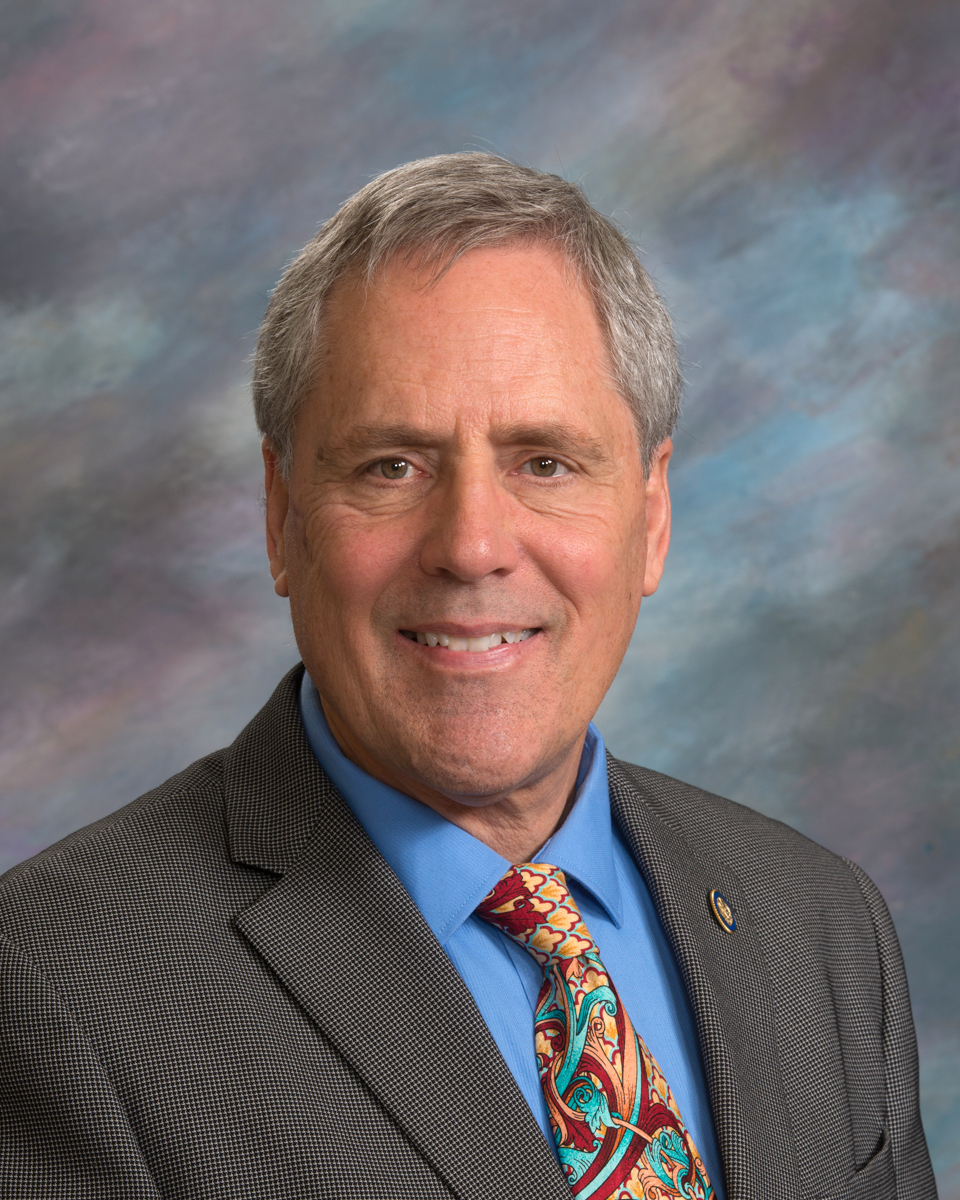
HB 1214 requires South Dakota courts to consider a defendant's history of abuse as a mitigating factor during sentencing for certain crimes. To qualify, defendants must provide documented evidence (such as court records, hospital reports, or protective orders) proving the abuse was a substantial factor in their offense. If approved, sentences are reduced: life without parole becomes a maximum of 35 years, life with parole becomes a maximum of 30 years, and fixed terms are reduced by at least one-third. The law excludes Class A felonies, sex offenses, and related attempts, and allows retroactive resentencing for cases before July 1, 2026.
This bill allows courts to expunge all records related to dismissed protection order cases, directly affecting individuals whose petitions were rejected (either initially or after a hearing). If a court dismisses a petition under South Dakota law (specifically § 22-19A-8 for domestic violence orders or § 25-10-3 for civil orders), it may order the removal of all case records from court files and the Department of Social Services. The expungement process follows existing definitions in § 23A-3-26, ensuring records are permanently cleared without requiring additional court action beyond the dismissal.
HB 1226 authorizes South Dakota county commissioners to create written policies for investigating misconduct by county employees, departments, or officers. The bill requires these policies to cover specific misconduct types (like abuse of authority, conflicts of interest, or neglect of duty), mandate at least one outside investigator for complaints, and include confidentiality and due process standards. County boards must also ensure policies follow existing procedures for removing officers. This directly affects county government operations and employee accountability. The bill does not change existing misconduct definitions but sets procedural requirements for local investigations.
HB 1124 makes it a felony to enter or remain within 1,000 feet of a place of worship with intent to disrupt services, harass attendees, or intimidate through political means. Violators face a Class 5 felony charge. The bill defines "place of worship" as any building regularly used for religious activities, identifiable by design, signs, or features. This law directly affects individuals who intentionally trespass near religious sites with the prohibited intentions.
HCR 6001 is a non-binding resolution urging the U.S. Department of Homeland Security (DHS) to establish a tribal law enforcement training academy in South Dakota. It directly addresses DHS and aims to benefit law enforcement personnel serving South Dakota’s nine federally recognized tribal nations, including those working in culturally specific contexts. The resolution requests DHS collaborate with tribal leaders and state agencies to design training programs tailored to tribal communities’ unique needs. It does not create new laws or allocate funding but formally asks DHS to consider South Dakota as a location for such an academy. The resolution emphasizes South Dakota’s existing partnerships with tribal nations and the Bureau of Indian Affairs in law enforcement training.
HB 1015 creates a two-year pilot program (ending December 31, 2027) in South Dakota's Unified Judicial System allowing judges to supervise defendants charged with misdemeanors or felonies instead of requiring jail time before trial. Judges may impose release conditions through presentence court services officers, following existing legal standards. The program requires the judicial system to report detailed results by December 2027, including defendant appearance rates, new charges, missed court dates, and program costs. This directly affects defendants facing misdemeanor or felony charges who qualify for supervised pretrial release under the pilot.