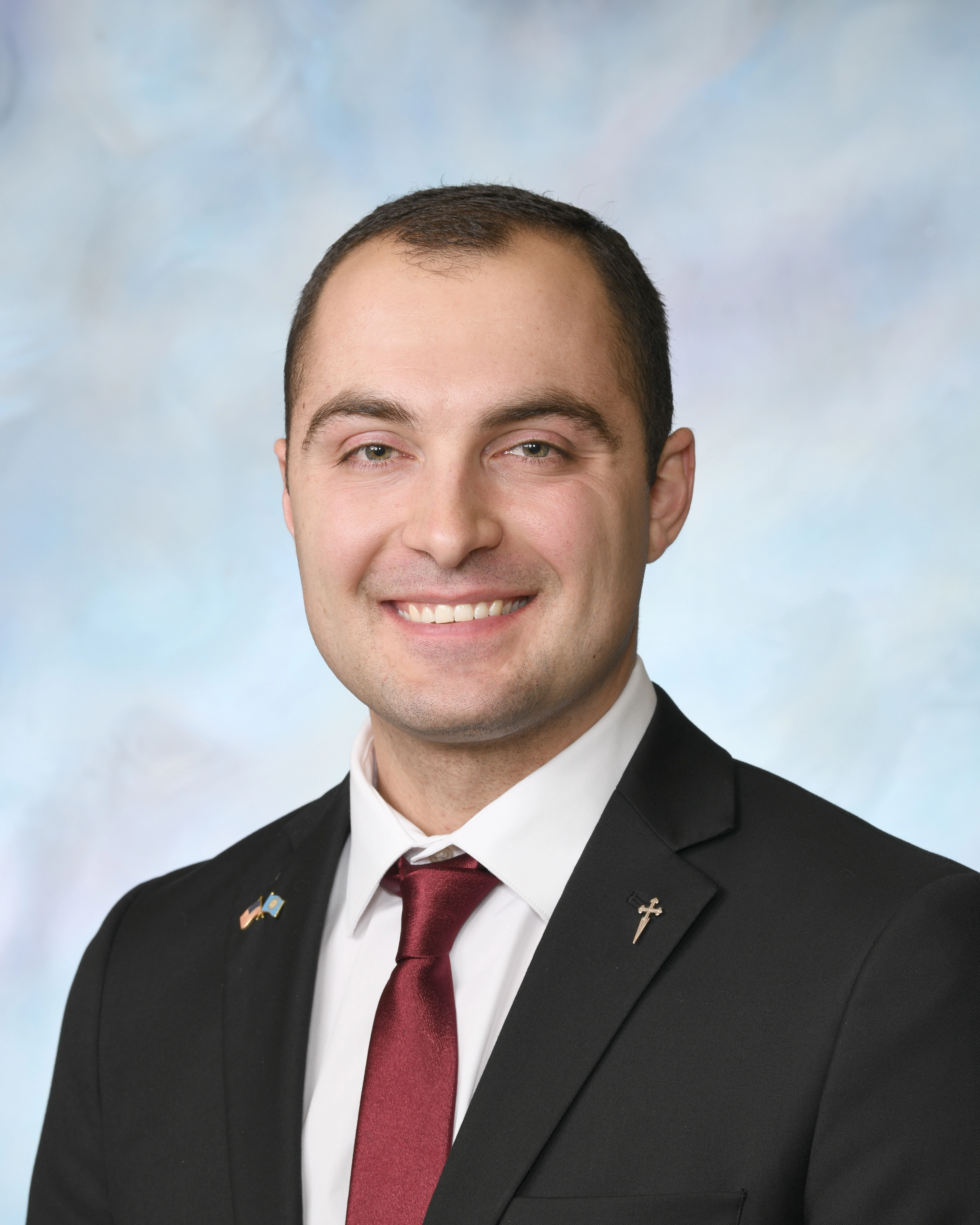
Key legislators
Who's moving budget & taxes in South Dakota
Showing 11–14 of 14
bills
All budget & taxes bills
SB 118 creates a "homeowner tax reduction fund" in South Dakota's state treasury. Each year by January 31st, the treasurer must deposit either $100 million or 0.3% of revenues collected from specific property taxes (chapters 10-45, 10-46, 10-46E, 10-58, and § 32-5B-20) into this fund. The Department of Revenue will use these funds to provide property tax rebates for owner-occupied single-family homes, with money in the fund not allowed to transfer to the general fund and requiring annual budgeting through the general appropriation bill. The bill takes effect July 1, 2027.
HB 1088 removes a requirement that South Dakota counties must remit funds to municipalities equal to the road levy amounts distributed to those municipalities for calendar years 1984, 1985, and 1986. This specifically targets a provision in existing law that mandated counties pay municipalities a share of road tax revenue from those three years. The bill repeals Section 10-12-32.1, which previously established that municipalities incorporated after January 1, 1984, were entitled to 25% of county road funds for those historical years. This change eliminates a longstanding financial obligation between counties and municipalities for a specific historical period.
SB 187 defines "nonpublic school" in South Dakota law as an institution operated by individuals or groups (not publicly elected boards) that teaches math and English fundamentals to children of compulsory school age, with English instruction focused on mastery. The bill specifies that such schools may limit enrollment, charge tuition, receive grants or services from school districts, but cannot claim geographic territory for tax revenue or receive state education aid under Chapter 13-13. It also clarifies that nonpublic schools are not required to be accredited or have certified teachers. This definition applies to all nonpublic schools in South Dakota, establishing their legal boundaries for funding and operations.
SCR 601 is a symbolic Senate Concurrent Resolution (not a binding law) introduced by Senator Carley. It urges South Dakota to pursue economic policies aligned with "free market principles," emphasizing limited government, deregulation, and low taxes over tax incentives or subsidies for businesses. The resolution argues that government should only protect rights and avoid competing with private enterprise, instead focusing on "organic entrepreneurial growth." It directly affects state legislative and executive policy development by advocating for a specific philosophical approach to economic growth.