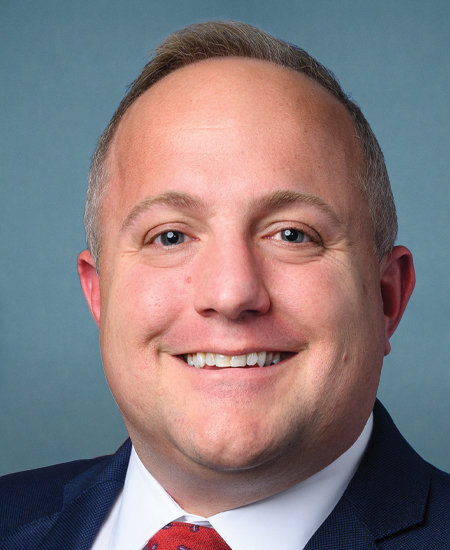
Key legislators
Who's moving veterans in South Carolina
Showing 2 of 2
bills
All veterans bills
This bill, titled the No Taxpayer-Funded Pensions for Sex Criminals Act, prohibits federal government employees and military personnel from receiving pension benefits if they are convicted of specific sex crimes. The law amends existing federal statutes to ensure that anyone convicted of offenses such as rape, child molestation, or sexual exploitation after the bill's enactment will have their annuities and retired pay forfeited. These penalties apply to crimes committed on or after the date the law is passed, covering both federal offenses and state crimes that would be considered federal sex offenses if committed in federal territory. The legislation also includes technical updates to related sections of the U.S. Code to ensure the forfeiture rules are consistently applied across different retirement systems.
HR 6002, the Veterans Earned Education Act, amends eligibility rules for transferring Post-9/11 GI Bill educational benefits to dependents. It requires veterans to have completed at least 17 years of service (up from 6 years) and be retired under Chapter 61 of Title 10 to qualify for transferring benefits. The bill directly affects active-duty and retired veterans seeking to share their education benefits with family members. These changes tighten the service requirements for beneficiaries who wish to transfer their benefits, without altering the core education benefits themselves.