Issue · Immigration

Immigration

Every immigration bill, vote, and legislator stance in South Carolina, automatically classified by Maddy, our AI policy reader.

Total bills
11
119th Congress
Top supporter
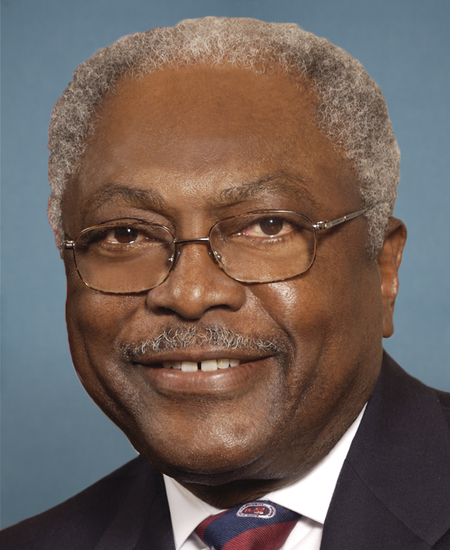
James E. Clyburn
78% support rate
Top opponent
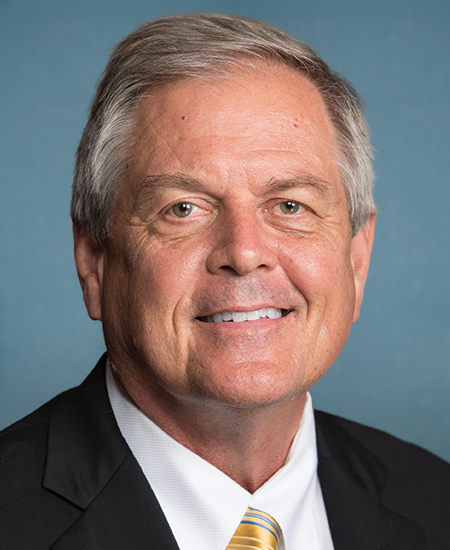
Ralph Norman
16% support rate
Ranked legislators
7
2 support · 5 oppose
Key legislators

Who's moving immigration in South Carolina

Legislators moving immigration in South Carolina
Legislator Party Stance Support rate Votes
James E. Clyburn
James E. Clyburn House · District 6
D
Support
78% 147
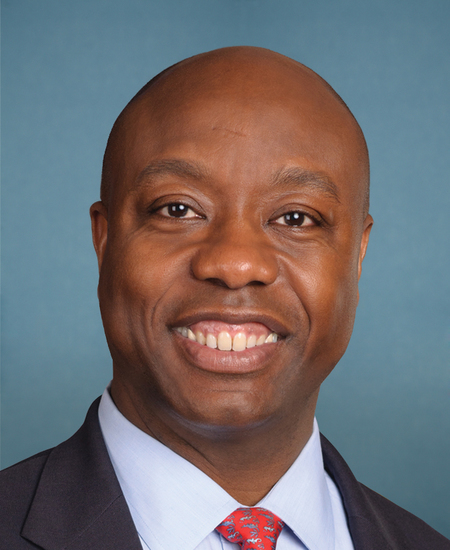
Tim Scott
Tim Scott Senate
R
Support
70% 178
Ralph Norman
Ralph Norman House · District 5
R
Strong −
16% 129
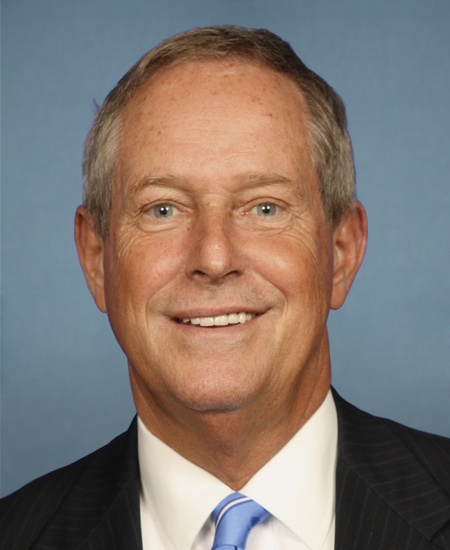
Joe Wilson
Joe Wilson House · District 2
R
Strong −
19% 144
Russell Fry
Russell Fry House · District 7
R
Strong −
19% 149
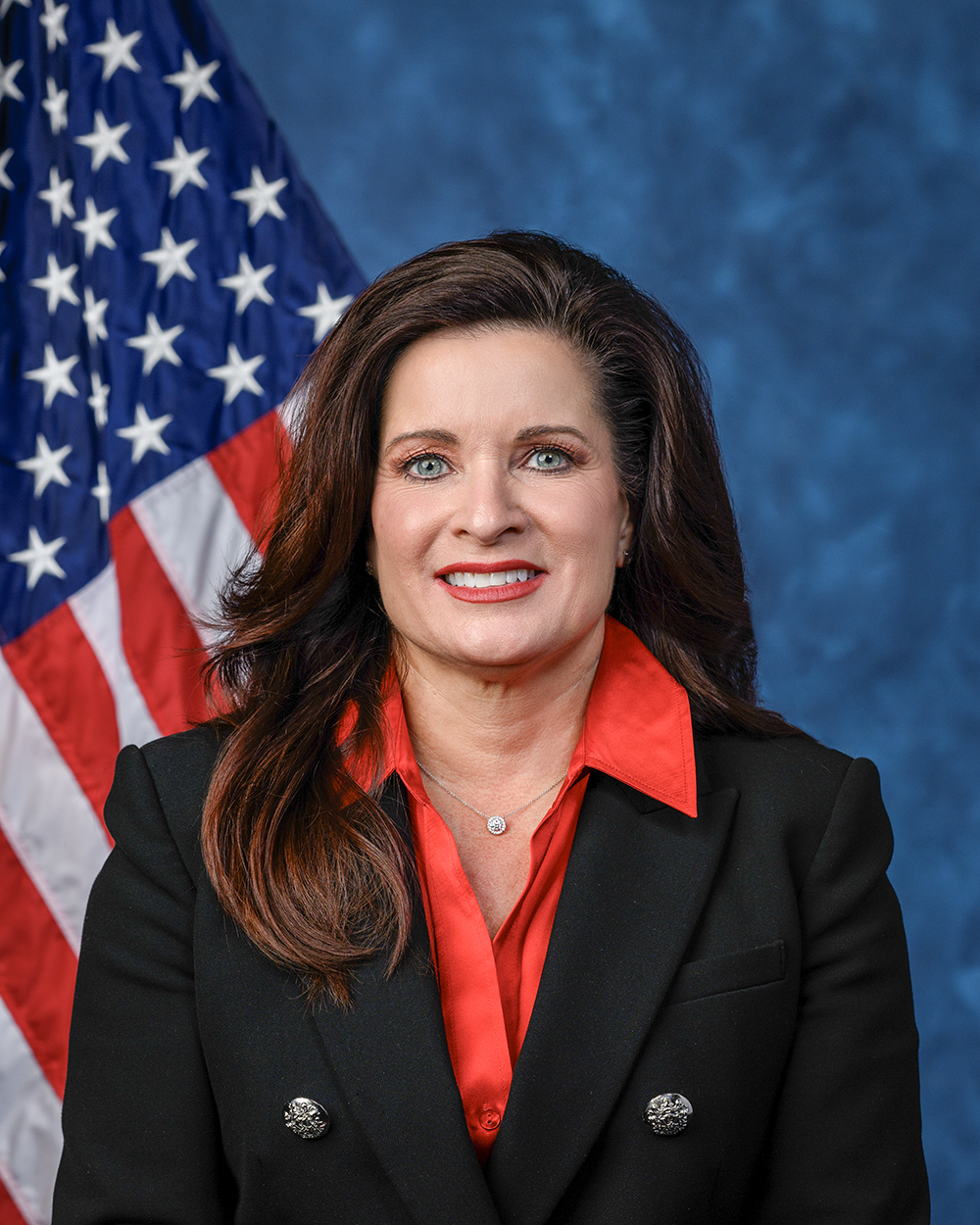
Sheri Biggs
Sheri Biggs House · District 3
R
Strong −
19% 150
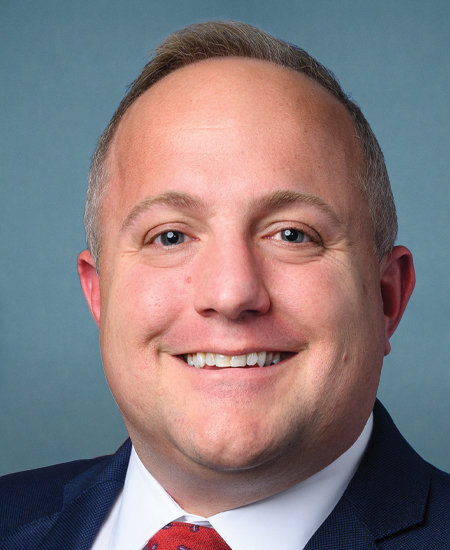
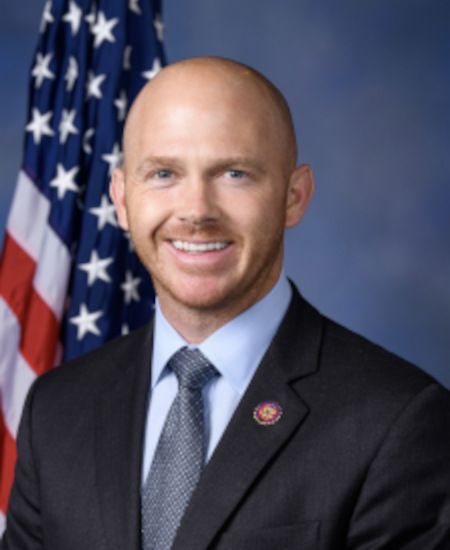
William R. Timmons IV
William R. Timmons IV House · District 4
R
Strong −
19% 148
Showing 1–10 of 11 bills

All immigration bills

in committee · United States · House Jul 23, 2026

HR 9899: Afghanistan TPS Act of 2026

This bill designates Afghanistan for Temporary Protected Status, allowing nationals who have lived continuously in the United States since the law's enactment to apply for a legal stay until July 1, 2029. To qualify, applicants must pass background checks and submit biometric data, while the Department of Homeland Security is required to process these applications within 90 days unless national security concerns justify a brief extension. The legislation also permits eligible individuals to request fee waivers for their applications and allows for special travel consent in emergency situations that require a short trip abroad.
Sub-Topics Refugees & Asylum
in committee · United States · House Jul 10, 2025

HR 4329: Building Civic Bridges Act

HR 4329, the Building Civic Bridges Act, creates an Office of Civic Bridgebuilding within the Corporation for National and Community Service to support projects reducing community divisions. It establishes a 3-year pilot grant program funding nonprofits, community groups, and schools to run projects that foster respect across diverse communities, address unmet needs like health or safety concerns, and improve social cohesion. Grants require projects to use research-based approaches, engage polarized communities, ensure participant safety, and track outcomes using standardized criteria. The program is funded exclusively through existing donations (not new federal funds) and mandates consultation with diverse community leaders and researchers. The Office will also compile research on civic bridgebuilding best practices for public access.
in committee · United States · House Feb 14, 2025

HR 1379: Trafficking Survivors Relief Act of 2025

This bill allows survivors of human trafficking to seek court orders to vacate convictions or expunge arrests related to non-violent crimes they committed while being trafficked. Survivors can file motions supported by affidavits from anti-trafficking service providers, and courts must determine if the crime was directly caused by trafficking. It applies to all past and future cases, including retroactive relief for convictions, and adds a new "human trafficking defense" in criminal trials. The law requires annual reports tracking how many survivors use this relief and the outcomes of their cases.
in committee · United States · House Jul 23, 2025

HR 4687: Partner with Korea Act

The Partner with Korea Act creates a new visa category for South Korean nationals to work in specialty occupations in the U.S., with an annual cap of 15,000 visas. Employers must file an attestation with the Department of Labor, which the Secretary of Labor must certify before the visa is approved. The visa limit applies only to the principal worker and excludes spouses or children. This bill directly affects South Korean workers seeking specialty jobs and U.S. employers hiring them under this new category.
Sub-Topics Work Authorization
in committee · United States · House Mar 18, 2026

HR 5688: Non-Domiciled CDL Integrity Act

HR 5688, the Non-Domiciled CDL Integrity Act, changes rules for issuing commercial driver's licenses (CDLs) to people who don't live in the state where the license is issued. It allows states to issue CDLs to foreign nationals with lawful U.S. immigration status and work-related visas (valid for up to one year or until their stay ends), requiring states to verify status before issuing and keep records for two years. For residents of U.S. territories like Puerto Rico, it requires proof of U.S. citizenship or permanent residency before issuing CDLs, with similar verification and record-keeping rules. The bill directly affects commercial drivers from foreign countries and U.S. territories seeking CDLs in states where they are not residents.
in committee · United States · House Sep 11, 2025

HR 5324: No More Missing Children Act

The No More Missing Children Act establishes a new federal program to prevent trafficking, disappearance, or loss of unaccompanied alien children (UAC) released into sponsors' care. It requires HHS to enroll all UAC (including those released before the law's enactment) and mandates strict monitoring: GPS tracking for children under 4, monthly telephonic check-ins, DNA collection from children and sponsors, and rigorous background checks for all sponsors (including FBI, sex offender registry, and criminal history checks). The program also requires unannounced home visits (6 in the first year, 4 annually after) and immediately takes custody if sponsors violate conditions like missing check-ins or failing to comply with court orders. This directly affects UAC under 18 and their sponsors, with enforcement focused on preventing exploitation through continuous oversight and strict eligibility standards.
Sub-Topics Enforcement
in committee · United States · House Feb 27, 2025

HR 1589: American Dream and Promise Act of 2025

The American Dream and Promise Act of 2025 would create pathways to permanent residency for certain immigrant youth who entered the U.S. as children (Dream Act component) and for individuals from countries with Temporary Protected Status or Deferred Enforced Departure (American Promise Act component). To qualify, applicants must meet continuous physical presence requirements (since January 1, 2021 for Dream Act applicants, and for 3+ years for American Promise applicants), pass background checks, and satisfy educational or employment criteria. Conditional permanent resident status would be granted initially, with the option to convert to full permanent residency after meeting additional requirements like earning a degree, serving in the military for two years, or demonstrating three years of earned income. The bill includes fee exemptions for low-income applicants, establishes a grant program to assist applicants with legal help, and creates specific procedures for background checks and appeals.
Sub-Topics DACA & Dreamers
in committee · United States · Senate Apr 3, 2025

S 1298: Religious Workforce Protection Act

This bill extends temporary work visas for religious workers (like pastors or missionaries) who face long delays in obtaining permanent residency due to annual visa caps. It allows them to keep their temporary status while waiting for a final decision on their permanent residency application, rather than having to leave the U.S. after five years. The bill also permits these workers to change employers under certain conditions and exempts them from a mandatory one-year foreign residence requirement if they were forced to leave due to the five-year visa limit. These changes directly affect religious workers with pending permanent residency applications stuck in visa backlogs.
in committee · United States · House Feb 6, 2025

HR 1061: Protecting Sensitive Locations Act

Protecting Sensitive Locations Act This bill prohibits immigration enforcement actions within 1,000 feet of a sensitive location except in exigent circumstances, such as the imminent risk of death, violence, or physical harm to any person. Sensitive locations include  health care facilities; schools and school bus stops; places that provide assistance for people such as children, pregnant women, and abuse victims; child care facilities; places that provide disaster or emergency services; places of worship; courthouses and lawyers’ offices; facilities used as polling places; certain labor union facilities; and public assistance offices. The prohibition shall apply to Department of Homeland Security officers and agents, as well as state employees pursuing immigration enforcement actions. If an enforcement action is carried out in violation of this prohibition (1) no information resulting from the action may be entered into the record in a resulting removal proceeding, and (2) the affected individual may move to immediately terminate such a proceeding. U.S. Immigration and Customs Enforcement and U.S. Customs and Border Protection shall annually report to Congress about enforcement actions taken at sensitive locations in the preceding year.
in committee · United States · House Jun 25, 2025

HRES 546: Encouraging Members of Congress to visit ICE detention facilities in their States.

HRES 546 is a resolution encouraging Members of Congress to visit U.S. Immigration and Customs Enforcement (ICE) detention facilities in their states to observe conditions firsthand and fulfill oversight responsibilities. It references the 2024 Appropriations Act, which permits unannounced visits and prohibits facilities from altering conditions for such visits, ensuring transparency. The resolution cites concerns about recent cuts to oversight staff (including closed offices for detainee rights) and reports of overcrowding and inadequate medical care in detention centers. It aims to inform congressional efforts to address systemic issues in immigration detention without mandating visits.
Showing 1 to 10 of 11 bills
1 2 Next