Issue · Healthcare

Healthcare

Every healthcare bill, vote, and legislator stance in South Carolina, automatically classified by Maddy, our AI policy reader.

Total bills
74
119th Congress
Top supporter
Darline Graham
100% support rate
Top opponent
Joe Wilson
38% support rate
Ranked legislators
7
2 support · 5 oppose
Key legislators

Who's moving healthcare in South Carolina

Legislators moving healthcare in South Carolina
Legislator Party Stance Support rate Decisive votes
Darline Graham
Darline Graham Senate
R
Strong +
100% 6
James E. Clyburn
James E. Clyburn House · District 6
D
Mixed
56% 18
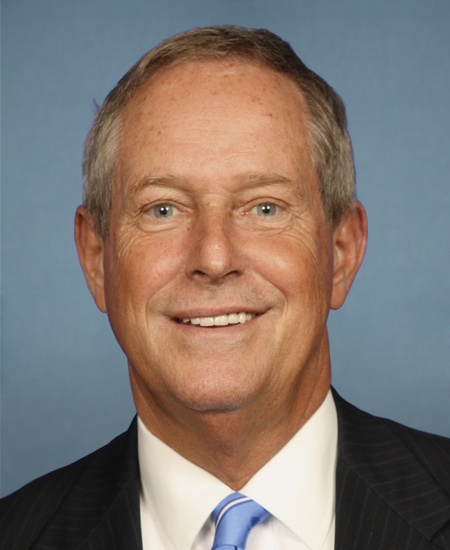
Joe Wilson
Joe Wilson House · District 2
R
Oppose
38% 16
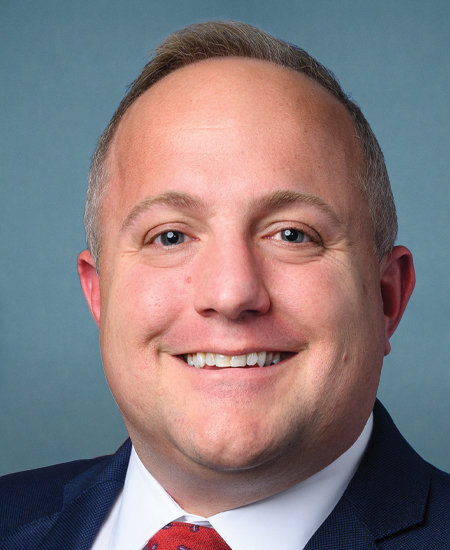
Russell Fry
Russell Fry House · District 7
R
Oppose
39% 18
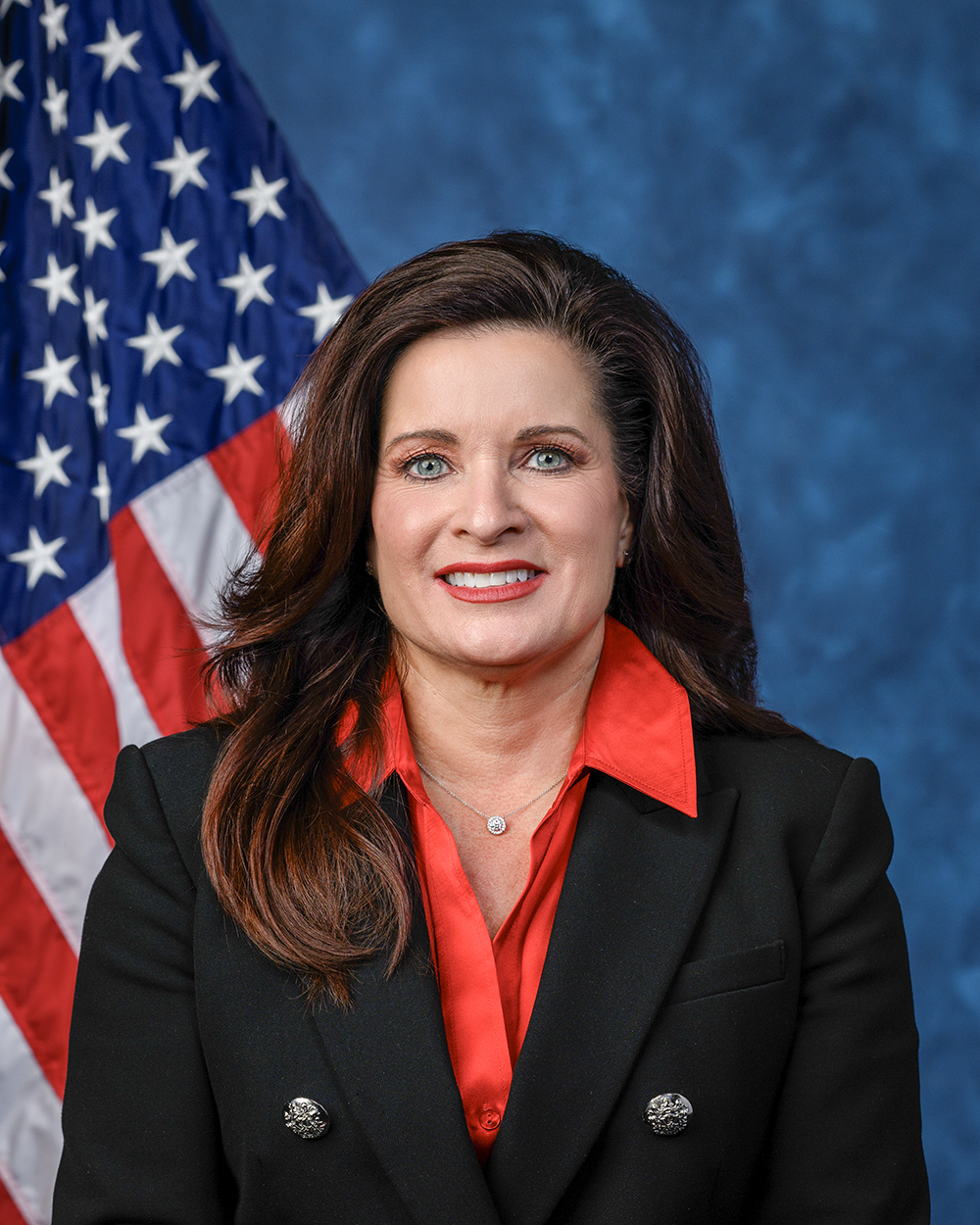
Sheri Biggs
Sheri Biggs House · District 3
R
Oppose
39% 18
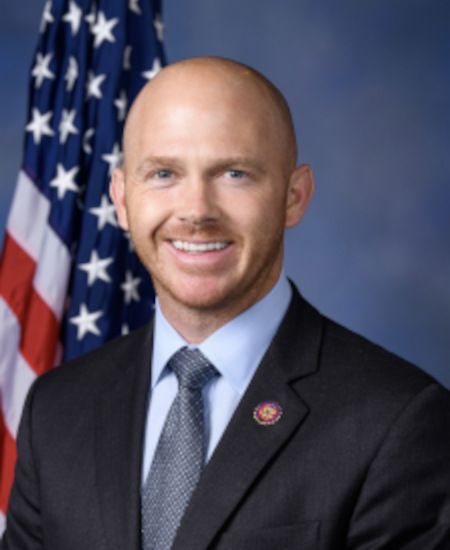
William R. Timmons IV
William R. Timmons IV House · District 4
R
Oppose
39% 18
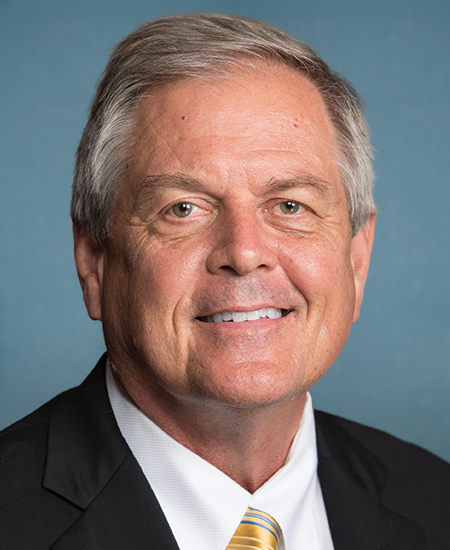
Ralph Norman
Ralph Norman House · District 5
R
Oppose
40% 15
Showing 1–10 of 74 bills

All healthcare bills

in committee · United States · House Sep 24, 2026

HRES 1584: Recognizing the 50th anniversary of the Hyde Amendment and its enduring legacy of saving the lives of more than 2,600,000 unborn children and respecting the conscience rights of the American people.

This House resolution marks the 50th anniversary of the Hyde Amendment and honors its original sponsor, Congressman Henry Hyde. It asserts that the amendment has prevented over 2.6 million abortions by restricting federal funding for elective procedures. The text emphasizes that this policy protects taxpayer conscience rights by ensuring public money is not used to finance abortions. Additionally, it encourages Americans to reflect on the history of the amendment and the total number of abortions performed since the Roe v. Wade decision.
in committee · United States · House Sep 8, 2026

HR 10319: Gender Delusion Disqualification Act

The Gender Delusion Disqualification Act would amend federal employment laws to prohibit individuals diagnosed with gender dysphoria from holding specific government jobs or credentials that require meeting mental health standards. The bill defines "covered positions" as executive agency roles where regulations already mandate mental health criteria for appointment or continued service, and extends this exclusion to any federal license or certificate issued under similar conditions. Agencies would be required to issue implementing regulations within 180 days of enactment to identify which specific positions and certifications fall under these new restrictions. The legislation explicitly states that it does not impose additional standards on employees in roles that do not currently have established mental health requirements.
Sub-Topics Mental Health
in committee · United States · House Aug 20, 2026

HR 10127: TRANS Government Research Act

The TRANS Government Research Act prohibits federal agencies from providing funds to conduct or support research on gender-related medical treatments and other methods used to alter a person's physical appearance so it no longer matches their biological sex. The bill defines these covered treatments broadly, including specific surgeries such as hysterectomies and phalloplasties, hormone therapies like testosterone and estrogen, and puberty blockers for both males and females. By restricting financial support for this area of study, the legislation directly affects medical institutions, universities, and researchers who rely on federal grants to investigate the health effects of these interventions.
in committee · United States · House Sep 3, 2026

HR 10268: Ending Restaurant Purchases with SNAP Act of 2026

The Ending Restaurant Purchases with SNAP Act of 2026 would prohibit the use of Supplemental Nutrition Assistance Program (SNAP) benefits to buy meals at restaurants and other private food service establishments. The bill achieves this by removing specific legal provisions from the Food and Nutrition Act of 2008 that currently allow states to run optional restaurant programs for eligible groups such as the elderly, disabled, and homeless individuals. If enacted, these changes would take effect 180 days after the date of enactment, directly affecting SNAP recipients who rely on these state-level options for dining out.
in committee · United States · House Aug 27, 2026

HR 10178: SHIELD Act

The SHIELD Act would prohibit local school districts that receive federal education funds from allowing organizations that provide abortions to distribute information about those services to students on school grounds or through the district's virtual platforms. This ban specifically covers sharing or reposting such materials on social media on behalf of outside abortion providers. The bill defines "abortion-related service" as any medical, surgical, or support care directly related to terminating a pregnancy.
in committee · United States · House Jul 14, 2026

HR 9667: Securing Healthcare and Income Entitlements for Lawfully Domiciled Citizens (SHIELD Citizens) Act

The SHIELD Citizens Act aims to restrict access to federal welfare programs, such as food assistance, Medicaid, and housing aid, exclusively to United States citizens. By amending existing laws, the bill removes eligibility for noncitizens, including lawfully domiciled residents, while preserving access to emergency medical care, disaster relief, and services like soup kitchens. The legislation includes a transition period allowing current recipients to keep their benefits for up to 180 days after the law takes effect, which is set to begin 180 days after enactment. This change directly impacts noncitizen families who currently rely on these safety net programs, narrowing the pool of eligible individuals to citizens only.
Sub-Topics Medicaid
in committee · United States · House Jun 24, 2026

HR 9421: Ban Abortion by Mail Act

This bill, titled the Ban Abortion by Mail Act, aims to restrict how abortion medications like mifepristone are prescribed by requiring an in-person visit between the patient and the doctor. It directly affects health care providers who are currently certified by the FDA to dispense these drugs, threatening their certification status if they prescribe them without a physical examination or to patients living in states where the provider lacks a medical license. The legislation mandates that the FDA report annually to Congress on any providers who lose this certification due to violations or unsafe prescribing practices. By enforcing these specific conditions, the bill seeks to ensure that all prescriptions for abortion drugs are administered under strict supervision and within the legal boundaries of the patient's state.
in committee · United States · House Jun 24, 2026

HRES 1382: Celebrating the historic anniversary of the June 24, 2022, decision of the Supreme Court of the United States in Dobbs v. Jackson Women's Health Organization.

This resolution commemorates the fourth anniversary of the 2022 Supreme Court decision in Dobbs v. Jackson Women's Health Organization, which removed the federal constitutional right to abortion. The text expresses support for state authority to regulate abortion and acknowledges the work of pregnancy centers that provide care to women and families. It also recognizes the belief that unborn life possesses inherent rights and calls for the protection of that life. As a symbolic measure, the bill does not change any laws or policies but serves to formally celebrate the anniversary and state the House's position on the issue.
Sub-Topics Women's Health
in committee · United States · Senate Jun 24, 2026

SRES 787: A resolution celebrating the historic anniversary of the June 24, 2022, decision of the Supreme Court of the United States in Dobbs v. Jackson Women's Health Organization.

This Senate resolution commemorates the fourth anniversary of the 2022 Supreme Court decision in Dobbs v. Jackson Women's Health Organization, which overturned the previous federal right to abortion. The document expresses the Senate's support for state authority to regulate abortion and acknowledges the work of pregnancy centers that assist expectant mothers. It formally declares the Senate's commitment to protecting unborn life and supporting families, while noting the ongoing policy challenges related to abortion access. As a symbolic measure, the bill does not create new laws or alter existing regulations but serves to record the Senate's stance on the issue.
Sub-Topics Women's Health
in committee · United States · House Jun 24, 2026

HR 9443: Saving FACE Act of 2026

The Saving FACE Act of 2026 amends federal criminal law to remove penalties for obstructing access to abortion services. It achieves this by changing the name of the relevant statute from "Freedom of Access to Clinics" to "Freedom of Access to Church" and removing the specific definition of abortion from the list of protected activities. Additionally, the bill updates the legal definition of abortion to exclude the intentional termination of a pregnancy, thereby narrowing the scope of the obstruction statute. These changes directly affect individuals who might otherwise face criminal charges for blocking entry to facilities providing abortion care.
Sub-Topics Women's Health
Showing 1 to 10 of 74 bills
1 2 3 … 8 Next