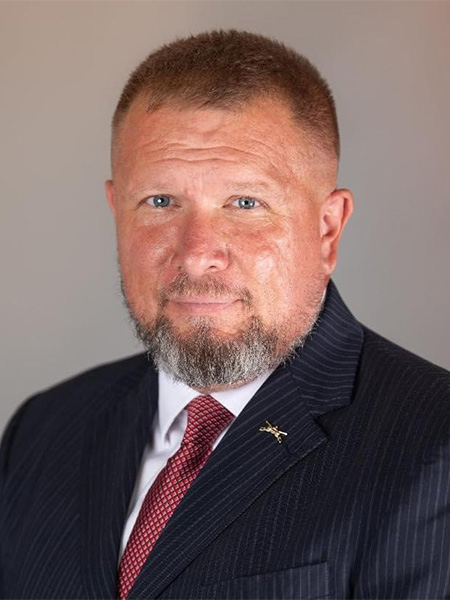
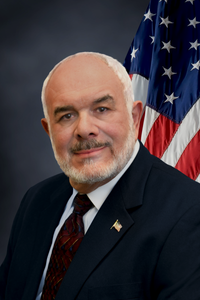
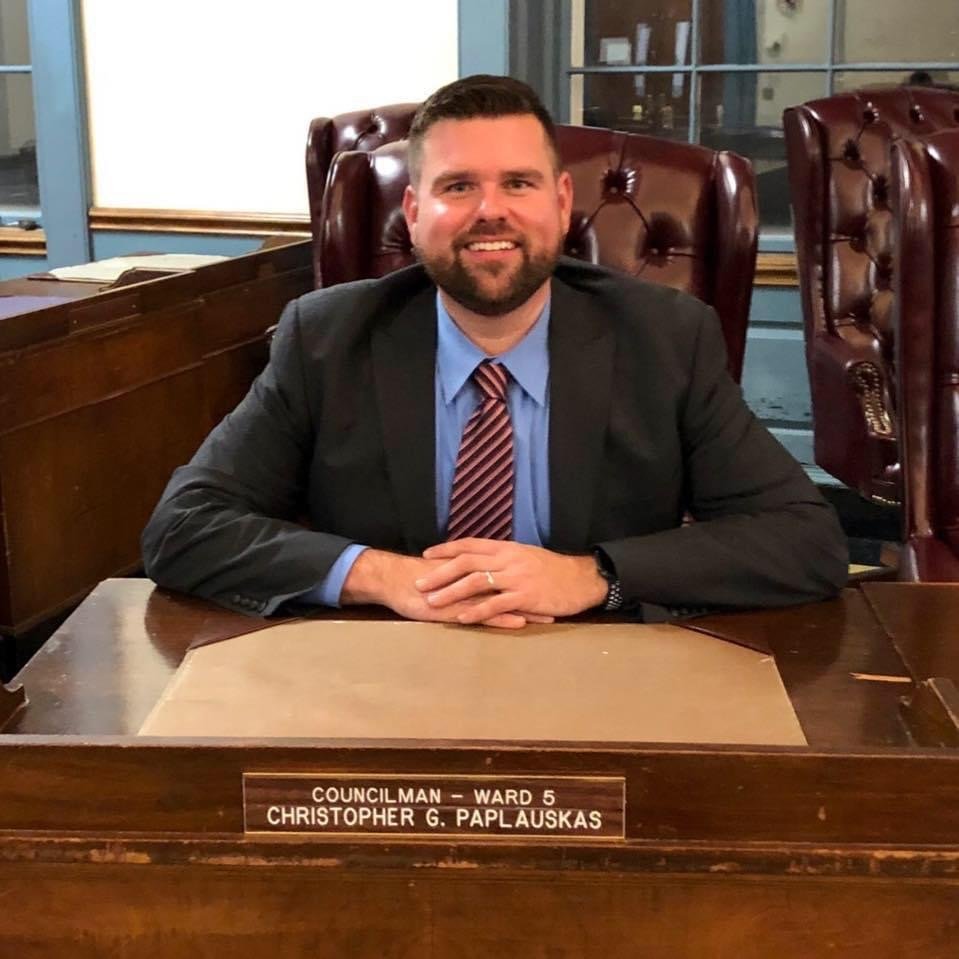
Key legislators
Who's moving technology in Rhode Island
Showing 4 of 4
bills
All technology bills
This bill extends the authorization for "Don't Block the Box" automated traffic cameras in New Jersey from January 2027 to January 2030. It allows state and local governments to continue using these sensors to detect vehicles that block intersections, provided the systems are approved for accuracy and can capture license plate images. The legislation maintains existing rules that prohibit using the collected data for tracking individuals or selling information to third parties, while also restricting private company payments to equipment fees rather than revenue sharing.
SB 2197 requires mental health professionals (such as licensed therapists, counselors, and social workers) to obtain specific written consent before using artificial intelligence for administrative tasks like scheduling or record-keeping. The bill bans AI tools designed to simulate emotional bonds or make therapeutic decisions during client sessions, including those used with recorded therapy. It prohibits AI from directly interacting with clients or replacing human judgment in treatment, while allowing limited AI use for non-therapeutic support under strict oversight. The law applies to all licensed mental health providers offering therapy or psychotherapy services in the state.
Creates a comprehensive statutory framework to address and regulate the use of artificial intelligence in the workplace, considering the interests of employers and employees.
SB 2341 allows eligible disabled voters and military members (covered by federal law) to receive and return mail ballots electronically. It updates election rules to let voters submit Federal Post Card Applications via email to the Secretary of State, with ballots transmitted through a secure system meeting federal cybersecurity standards (NIST guidelines and independent security reviews). This continues a 2022 program that lets qualifying voters avoid mailing physical ballots. The bill specifically applies to disabled voters who face undue hardship voting in person and military personnel serving outside their state.