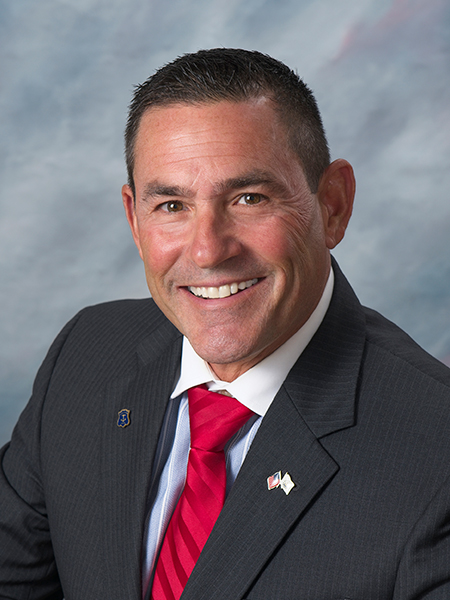
HB 8603 amends Rhode Island driver education laws to exempt individuals in foster or adoptive homes from paying tuition fees for driver's education classes at the Community College of Rhode Island. This financial relief is funded by the Department of Children, Youth and Families and applies specifically to eligible youth receiving foster caregiving as defined by state regulations. The bill does not alter the existing curriculum, which includes instruction on alcohol and drug effects, distracted driving, and marijuana impairment, but rather removes the cost barrier for this specific group of students. By waiving enrollment fees, the legislation aims to ensure that foster and adoptive youth have equal access to the required thirty-three hours of classroom instruction needed to obtain a driver's license.
Requires the department of elementary and secondary education and DOH to adopt policies, rules and regulations for the administration of seizure rescue medications for children who have been medically identified as having epilepsy/seizure disorder.
This bill requires Rhode Island's state education department and high school sports league to create a statewide anti-hazing policy for student athletics. It mandates clear definitions of hazing, zero-tolerance sanctions (including team suspensions or season cancellations), and education components to prevent hazing. All schools in the state participating in the Rhode Island Interscholastic League must follow this policy, which also requires student-athletes to sign an acknowledgment of the rules before joining teams. The policy explicitly states that consent is never a defense for hazing and ensures consistent discipline across all schools. The bill takes effect upon passage.
HB 7003 requires Rhode Island's Department of Elementary and Secondary Education and the Rhode Island Interscholastic League to create a statewide anti-hazing policy for student athletics. The policy must define hazing, prohibit "consent" as a defense, and include clear consequences like team suspensions or season cancellations for violations. All student-athletes in RIIL schools must sign an acknowledgment form confirming they understand these penalties before participating in any athletic activities. The policy aims to ensure consistent, transparent discipline and integrate with existing school climate and anti-bullying efforts across all participating schools.
SB 2182 removes the fee for drivers education classes at Rhode Island's community colleges for youth living in foster or adoptive homes. This directly affects young people in these care settings who would otherwise pay the standard fee to complete required driver's education. The bill's key provision exempts these individuals from the fee requirement, making the program more accessible. This change reduces a financial barrier to obtaining driver's education, which is a prerequisite for a driver's license in Rhode Island.
Requires the department of elementary and secondary education and DOH to adopt policies, rules and regulations for the administration of seizure rescue medications for children who have been medically identified as having epilepsy/seizure disorder.
Authorizes the City of Central Falls to issue bonds and notes in an amount not exceeding $25,000,000 to finance the construction, renovation, improvement, alteration, repair furnishing and equipping of schools and school facilities in the city.
Expands the requirement that all high schools and middle schools, whether they are publicly or privately run to maintain on site a functional AED while establishing and implementing a cardiac emergency response plan in these schools.
This bill creates a special legislative commission to study how Rhode Island school districts can share services to address funding and operational challenges. The commission will consist of thirteen members, including legislators, state officials, education leaders, business representatives, and a student, who will meet without pay to investigate potential shared service models. State agencies are required to provide necessary information to the commission, which must submit its findings and recommendations to the House of Representatives by April 30, 2027, before the group expires.
Provides that any schools days a public school is closed due to a declared state of emergency be deemed excused for purposes of compliance with minimum school days calendar requirements.