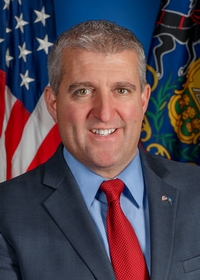
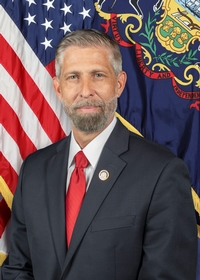
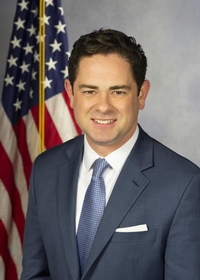
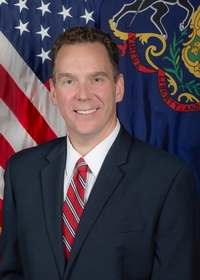
Key legislators
Who's moving transportation in Pennsylvania
Showing 21–24 of 24
bills
All transportation bills
HB 1338 allocates funding from the Philadelphia Taxicab and Limousine Regulatory Fund to the Philadelphia Parking Authority for the fiscal year July 1, 2025, to June 30, 2026. This provides dedicated financial support to the Parking Authority using revenue generated by the taxicab and limousine industry. The bill is a routine budget allocation, not a policy change, and was signed into law on June 27, 2025.
HB 240 amends Pennsylvania's vehicle laws to update the qualifications required for obtaining a school bus driver endorsement. It directly affects school bus drivers and school districts by changing the specific criteria for securing this endorsement, such as background checks or training requirements. The bill revises Title 75 of the Pennsylvania Consolidated Statutes to clarify and strengthen these qualification standards. As Act No. 4 of 2025, it became law after approval by the governor on June 27, 2025. The change focuses solely on the licensing process, not operational rules for school buses.
SB 205 creates two new funding streams for Pennsylvania highway maintenance: a $5 million annual appropriation from the Motor License Fund to counties starting in 2025, and a 55-mill tax on liquid fuels. Counties can use these funds specifically for constructing and maintaining bridges owned by municipalities within their counties. The bill directly affects local governments by providing dedicated resources for bridge infrastructure, a key need for many communities. It amends Pennsylvania’s vehicle code to redirect existing transportation revenue toward this purpose without changing overall tax rates.
SB 210 creates a new offense for interfering with public transit operators (like bus drivers or conductors) while they are performing their duties. It prohibits actions that cause serious injury or death to operators (felony first degree), lesser injury (felony third degree), or create fear of harm. The law applies to any public transit vehicle, including buses, trains, and streetcars, and covers both direct harm to operators and harm to passengers caused by the interference. Penalties range from serious felony charges for severe cases to lesser felonies for less severe violations.