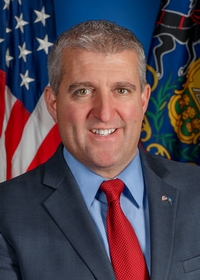
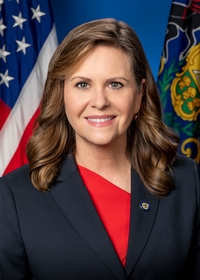
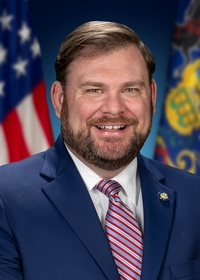
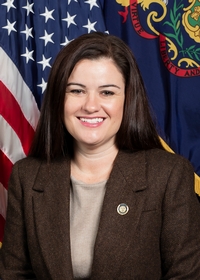
Key legislators
Who's moving labor & employment in Pennsylvania
Showing 3 of 3
bills
All labor & employment bills
SB 1260 establishes the State Board of Electrical Licensure to regulate and oversee electrical contractors, electricians, residential electricians, and apprentices in Pennsylvania. The bill requires individuals performing electrical work to obtain specific licenses based on their role and experience, while also mandating liability insurance and continuing education for license holders. To enforce these standards, the legislation creates a system of fees, fines, and penalties for violations, along with procedures for suspending or revoking licenses when necessary.
SB 406 creates workplace health and safety committees at Pennsylvania meat packing and food processing facilities employing 100+ workers, directly affecting large facilities covered by meat hygiene laws or food safety regulations. It requires employers to provide language-appropriate safety training on health risks, workers' compensation rights, and committee details to new hires, and mandates paid training time. The bill establishes a workers' rights coordinator in the Department of Labor to oversee compliance and imposes penalties for violations. Employers must also cover out-of-pocket emergency medical transportation costs for work-related injuries requiring immediate care. The law aims to improve workplace safety through joint worker-management committees, regular hazard inspections, and clearer worker protections.
SB 153 amends Pennsylvania's 1936 Unemployment Compensation Law to clarify when unemployed workers may lose benefits. It adds specific rules making workers ineligible if they unreasonably discourage their own hiring - such as skipping job interviews without good cause or refusing referrals before discussing job details. Employers can now report such behavior to the state, and the Department of Labor must create forms for this process within 90 days. The bill directly affects workers claiming unemployment benefits by tightening eligibility standards around job search efforts.