Issue · Healthcare

Healthcare

Every healthcare bill, vote, and legislator stance in Pennsylvania, automatically classified by Maddy, our AI policy reader.

Total bills
39
119th Congress
Top supporter
Summer L. Lee
67% support rate
Top opponent
David McCormick
24% support rate
Ranked legislators
10
5 support · 5 oppose
Key legislators

Who's moving healthcare in Pennsylvania

Legislators moving healthcare in Pennsylvania
Legislator Party Stance Support rate Votes
Summer L. Lee
Summer L. Lee House · District 12
D
Support
67% 211
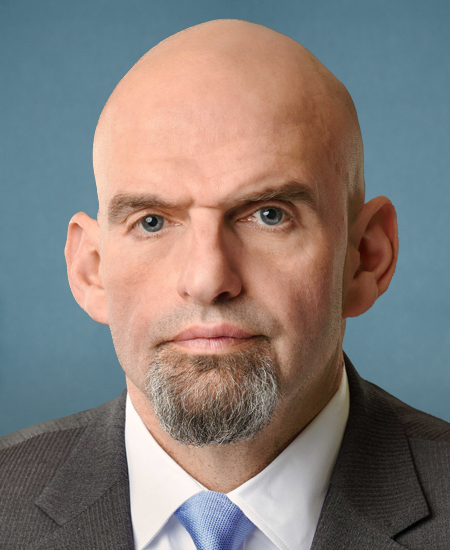
John Fetterman
John Fetterman Senate
D
Support
67% 217
Dwight Evans
Dwight Evans House · District 3
D
Support
61% 207
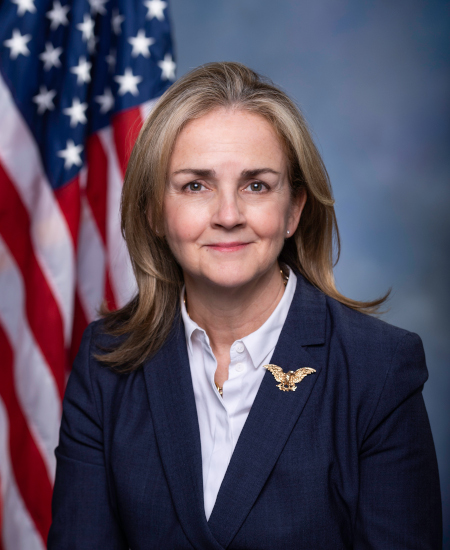
Madeleine Dean
Madeleine Dean House · District 4
D
Mixed
59% 209
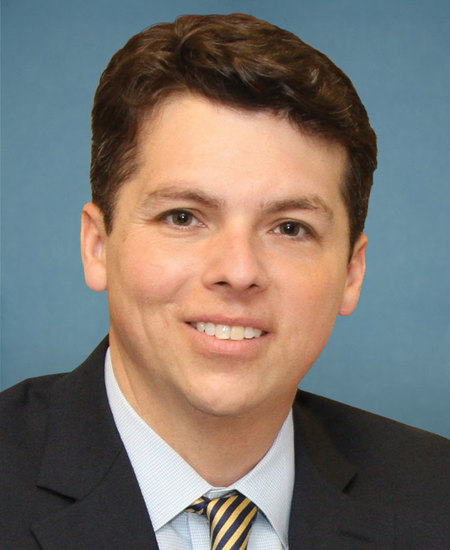
Brendan F. Boyle
Brendan F. Boyle House · District 2
D
Mixed
56% 207
David McCormick
David McCormick Senate
R
Oppose
24% 220
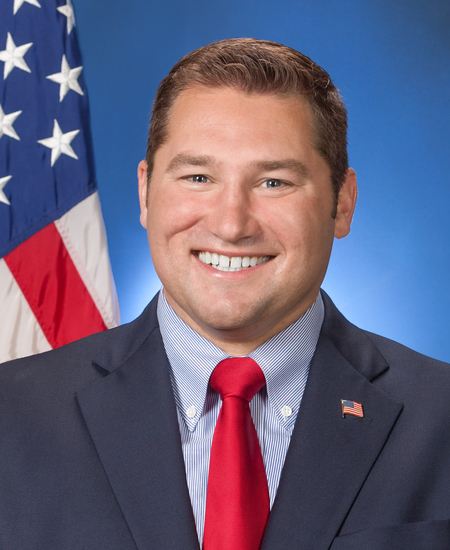
Guy Reschenthaler
Guy Reschenthaler House · District 14
R
Oppose
35% 205
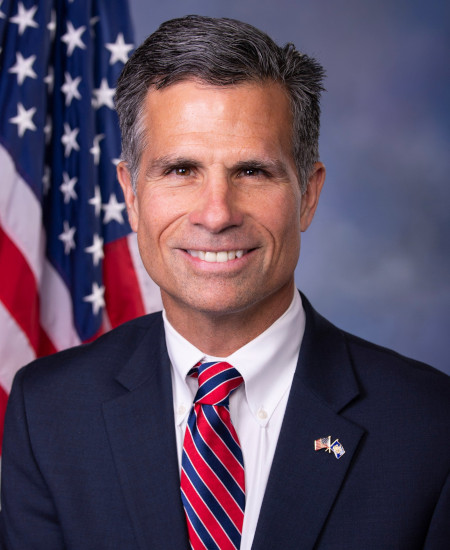
Daniel Meuser
Daniel Meuser House · District 9
R
Oppose
39% 203
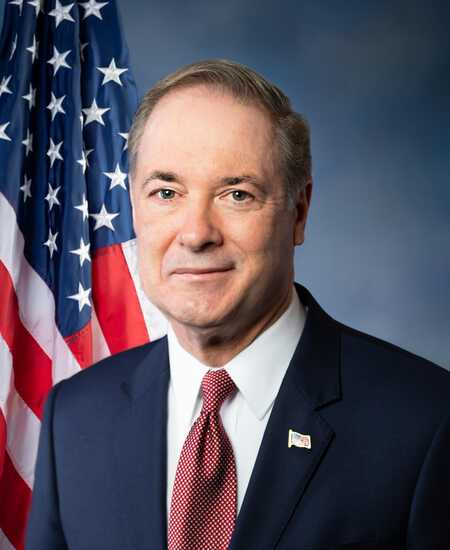
John Joyce
John Joyce House · District 13
R
Oppose
39% 211
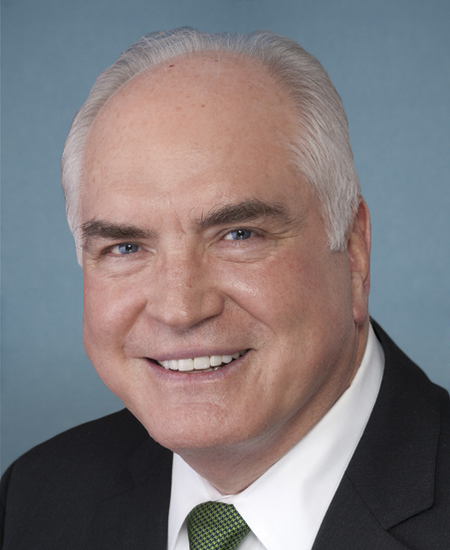
Mike Kelly
Mike Kelly House · District 16
R
Oppose
39% 208
Showing 1–10 of 39 bills

All healthcare bills

in committee · United States · House Sep 3, 2026

HR 10268: Ending Restaurant Purchases with SNAP Act of 2026

The Ending Restaurant Purchases with SNAP Act of 2026 would prohibit the use of Supplemental Nutrition Assistance Program (SNAP) benefits to buy meals at restaurants and other private food service establishments. The bill achieves this by removing specific legal provisions from the Food and Nutrition Act of 2008 that currently allow states to run optional restaurant programs for eligible groups such as the elderly, disabled, and homeless individuals. If enacted, these changes would take effect 180 days after the date of enactment, directly affecting SNAP recipients who rely on these state-level options for dining out.
in committee · United States · House Jul 22, 2026

HR 9829: ORTHO Act

The ORTHO Act directs the Federal Trade Commission to create new rules requiring dentists to perform an in-person examination before providing most dental services or medical devices through teledentistry. This requirement includes exceptions for emergency care, approved public health programs, and specific orthodontic diagnoses that must still be confirmed by an in-person visit and review of X-rays before a patient begins using an appliance. Violations of these rules would be treated as unfair or deceptive practices, allowing both the FTC and state attorneys general to enforce the law through civil penalties and potential damages. The bill also clarifies that states retain the ability to adopt additional regulations that are consistent with these federal standards.
Sub-Topics Public Health
in committee · United States · Senate Jun 23, 2026

S 4873: Promoting Human Flourishing in Foreign Assistance Act

This bill restricts how nonmilitary foreign assistance funds can be used by prohibiting organizations from supporting abortion, gender ideology, or discriminatory equity ideology outside the United States. It requires recipients of these funds to agree not to provide or promote these specific activities, mandates that U.S. organizations keep their foreign aid programs physically and financially separate from such work, and allows the Secretary of State to require foreign governments to place funds in segregated accounts to prevent misuse. The legislation defines prohibited concepts narrowly, such as defining sex strictly by biological classification and limiting exceptions for abortion to cases where a woman's life is in immediate danger. While the rules apply to foreign and international organizations receiving U.S. aid, U.S.-based nonprofits are exempt from the ban on providing these services domestically but must still ensure their foreign-funded projects do not engage in them.
Sub-Topics Women's Health
in committee · United States · House Apr 30, 2026

HR 8603: Dismemberment Abortion Ban Act of 2026

HR 8603, the Dismemberment Abortion Ban Act of 2026, prohibits physicians from performing abortions that involve dismembering an unborn child and extracting it piece by piece or crushed from the uterus. The law allows exceptions only when the procedure is necessary to save the mother's life, while explicitly permitting other abortion methods for reasons such as rape or incest. It imposes criminal penalties of up to two years in prison or fines on physicians who violate the ban and creates a civil lawsuit system where women or parents of minors can seek monetary damages and attorney fees against providers. The bill also defines an 'unborn child' as a human organism from fertilization until birth and clarifies that the woman undergoing the procedure cannot be prosecuted or held financially liable.
Sub-Topics Women's Health
in committee · United States · House Sep 1, 2026

HR 7945: Nitrous Oxide Safety Act of 2026

The Nitrous Oxide Safety Act of 2026 would classify consumer products containing nitrous oxide as banned hazardous items under federal law, except for specific exceptions. The bill prohibits the sale of nitrous oxide products for recreational use while allowing continued sales for medical and dental treatments, food production in commercial kitchens, research and development activities, and food propellant applications. This legislation directly affects manufacturers, retailers, and consumers by restricting access to nitrous oxide in consumer products after 180 days from enactment. The law defines nitrous oxide as the gas known as laughing gas or whippits and specifies which entities and activities are exempt from the ban.
in committee · United States · House Mar 12, 2026

HR 7920: Take Back Our Hospitals Act of 2026

This bill, titled the Take Back Our Hospitals Act of 2026, would prohibit Medicare from paying hospitals or skilled nursing facilities owned or controlled by private equity funds, real estate investment trusts, or corporations owned by those funds. The law defines control as owning 10 percent or more of voting securities or having the power to direct management and policies through contracts or other means. Facilities currently owned by these firms would have a three-year transition period before the prohibition takes full effect. The bill also establishes joint and several liability, meaning the owning firm would be responsible for any penalties if the facility violates the rule, and provides for notice, hearings, and judicial review for affected facilities.
in committee · United States · House Mar 5, 2026

HR 7817: No Federal Tax Dollars for Illegal Aliens Health Insurance Act of 2026

This bill, titled the No Federal Tax Dollars for Illegal Aliens Health Insurance Act of 2026, amends the Affordable Care Act to restrict the use of federal taxpayer funds for health insurance coverage. It directly affects states that receive funding under the ACA and individuals seeking health insurance coverage through federal programs. The key provision prohibits states from using pass-through funding to pay for health insurance or related benefits for individuals who are not U.S. citizens, nationals, or lawfully present aliens. Additionally, the bill requires the Secretary of Health and Human Services to rescind any existing waivers that would have allowed such funding for unauthorized individuals had the new restrictions been in place at the time of approval.
in committee · United States · Senate Jan 30, 2025

S 334: American Values Act

This bill permanently prohibits U.S. foreign assistance funds from being used for abortions, involuntary sterilizations, or related biomedical research. It amends the Foreign Assistance Act of 1961 and the Peace Corps Act to block funding for organizations supporting coercive abortion or sterilization programs. The law directly affects all U.S. government programs distributing foreign aid, including international health and development initiatives. It ensures funds cannot cover abortion services as family planning, lobbying on abortion, or programs involving coercion.
Sub-Topics Women's Health
in committee · United States · House Jul 17, 2025

HR 4512: TRANS MICE Act

HR 4512, the TRANS MICE Act, prohibits federal funding for research on non-human vertebrate animals (excluding certain species that naturally change sex or have both reproductive organs) that aims to alter their physical characteristics to no longer match their biological sex. This includes research disrupting development, inhibiting natural body functions, or modifying appearance. The bill directly affects federally funded researchers and institutions conducting such animal studies, banning all federal financial support for this specific type of research. It does not ban the research itself but restricts the use of taxpayer funds for it, applying to mammals, birds, fish, reptiles, and amphibians (excluding "excepted animals" like some hermaphroditic species). The law focuses on funding mechanisms, not on human transgender care.
in committee · United States · House Jun 5, 2025

HR 3708: No Place for LGBTQ+ Hate Act

HR 3708, the "No Place for LGBTQ+ Hate Act," repeals five specific executive orders targeting LGBTQ+ rights and blocks federal funding for their implementation. It directly affects transgender, nonbinary, intersex, and gender-nonconforming individuals by reversing policies that: mandated discrimination in employment/healthcare (EO 14168), reinstated a military ban (EO 14183), restricted transgender youth healthcare (EO 14187), barred transgender female students from sports (EO 14201), and required schools to deny transgender existence (EO 14190). The bill’s key mechanism prohibits federal funds from being used to enforce these orders, effectively nullifying them. This is a procedural repeal bill focused on reversing specific executive actions, not creating new laws.
Showing 1 to 10 of 39 bills
1 2 3 4 Next