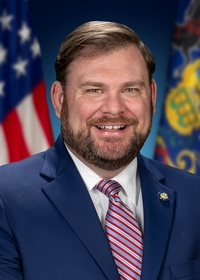
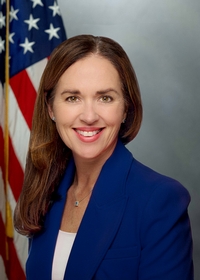
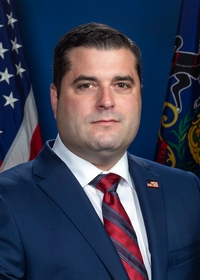
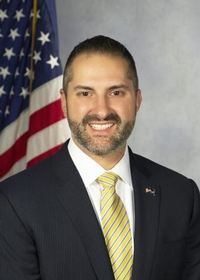
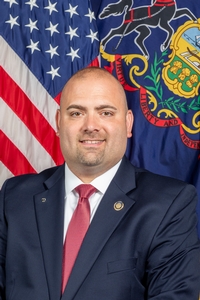
This bill designates May 15, 2026, as Prader Willi Syndrome Awareness Day in Pennsylvania to highlight the rare genetic disorder and support affected individuals and families. The resolution aims to increase public understanding of the condition's symptoms, such as hyperphagia and cognitive challenges, and to promote early diagnosis and access to care. By officially recognizing this day, the bill seeks to encourage community awareness and demonstrate support for those impacted by the syndrome.
HB 2175 requires businesses using AI chatbots to clearly disclose when consumers are interacting with artificial intelligence, especially for mental health support (e.g., chatbots claiming to treat anxiety or depression). It prohibits deceptive advertising, mandates protection of personal data shared with these tools, and gives Pennsylvania’s Attorney General’s Bureau of Consumer Protection authority to enforce these rules and impose penalties. The law directly affects companies offering AI chatbots that provide health-related advice to Pennsylvania residents. It does not cover scripted tools (like guided meditation) or AI that simply connects users with human professionals.
HB 80 would authorize Pennsylvania to join the Audiology and Speech-Language Pathology Interstate Compact. This compact allows licensed audiologists and speech-language pathologists to practice in other participating states without obtaining separate licenses for each state. The bill directly affects these healthcare professionals and their patients, streamlining cross-state practice for providers. It creates a standardized process for reciprocity among member states, eliminating redundant licensing requirements.
HB 348 amends Pennsylvania's Human Services Code to require the state human services department to notify medical assistance applicants about their right to legal representation during application or eligibility reviews. This change directly affects individuals applying for medical assistance programs (like Medicaid) and the department responsible for processing these applications. The key provision mandates that applicants receive written notice detailing their option to seek legal help, which the department must provide before finalizing eligibility decisions. The bill focuses on improving transparency in the application process without altering eligibility criteria or benefit amounts.
HB 1530, the Genetic Information Privacy Act, requires direct-to-consumer genetic testing companies operating in Pennsylvania to protect residents' genetic data. Companies must obtain clear, separate consent for data collection, use, sharing, and retention; implement security measures; and provide consumers with access to or deletion of their data. The bill specifically prohibits sharing genetic data with insurers, employers, or third parties without explicit written consent. Violations could result in $2,500 civil penalties per incident, enforced by the Attorney General’s office. The law applies to Pennsylvania residents and covers genetic data like DNA test results, but excludes research data collected under federal health privacy rules.
HB 923 amends the State Lottery Law to redirect lottery revenue toward providing pharmaceutical assistance for elderly residents. It directly affects seniors who qualify for prescription drug aid under state programs by modifying eligibility determination procedures. The key provision updates how income and asset thresholds are calculated to determine who qualifies for this assistance. The bill became law on November 24, 2025, after approval by both legislative chambers and the governor.
SB 731 amends the existing Pharmaceutical Assistance Contract for the Elderly (PACE) program to add a new "Needs Enhancement Tier" for determining eligibility. This tier would allow more elderly residents to qualify for prescription drug assistance based on specific financial or health needs. The bill changes how eligibility is assessed under the program, making it easier for seniors with higher needs to access medication support. The bill recently passed final passage on November 12, 2025, and is now referred to Rules & Executive Nominations.
HB 446 requires hospitals and ambulatory surgical facilities in Pennsylvania to offer patients unused, facility-provided medication at no additional cost upon discharge, if the prescriber determines it's clinically appropriate for continuing treatment. The bill specifies that this applies only to non-controlled, multi-dose medications like eye drops, creams, or inhalers (excluding IV drugs or controlled substances), and mandates clear discharge instructions with usage details and contact information. Providers acting in good faith are protected from liability for patient misuse, and such medication offers are exempt from standard outpatient dispensing rules. This directly affects patients discharged from hospitals or ambulatory facilities and the healthcare facilities providing their care.
HB 157 creates state grants to help healthcare entities in rural counties or designated medically underserved areas cover the student loan debt of their employed healthcare practitioners. The grants would be paid directly to the healthcare facilities (like clinics or hospitals), not to individual providers, to offset the cost of practitioners' education debt. This aims to support recruitment and retention of healthcare workers in areas with limited access to medical services. The program would be funded through state appropriations, targeting facilities serving communities with significant healthcare access challenges.
HB 564 updates Pennsylvania law to establish a new mental health crisis response system. It requires the Department of Human Services to create and operate this system, including training crisis responders and coordinating care. The bill directly affects individuals experiencing mental health crises and the state agencies responsible for emergency mental health services. Key provisions mandate specific duties for DHS to ensure timely, accessible crisis support statewide. The bill passed final passage on July 14, 2025, and is now under review by the Health & Human Services committee.