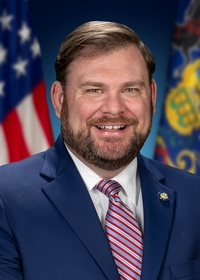
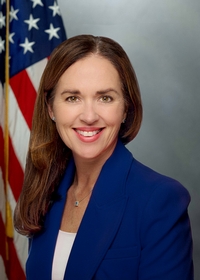
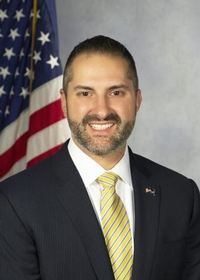
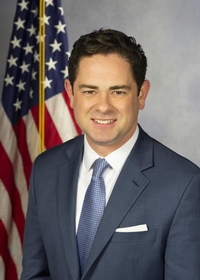
Key legislators
Who's moving healthcare in Pennsylvania
Showing 3 of 3
bills
All healthcare bills
HB 1460, the Health System Protection Act, requires health care entities (like hospitals and clinics) and certain investors (such as private equity firms) to obtain pre-approval from Pennsylvania's Department of Health and Attorney General before completing major transactions. This applies to sales of assets worth $10 million or more, ownership changes, or large financial distributions that could affect competition, costs, or access to care. The law prohibits transactions deemed "against the public interest," such as those reducing competition, raising prices, or limiting services in rural or low-income areas. Health care entities must either file a notification with a waiting period or get written approval before proceeding.
This bill repeals the Pennsylvania Medical Education Loan Assistance Program, which previously provided financial incentives to students pursuing medical, nursing, biomedical, and life sciences education. The program allowed eligible students to access loans with favorable terms, including low interest rates and fees, to encourage them to practice medicine or nursing in Pennsylvania, particularly in underserved areas. By removing this legislation, the state will no longer administer this specific loan assistance program for medical education.
HB 1697 amends Pennsylvania's Human Services Code to create a state-level False Claims Act, directly affecting healthcare providers, contractors, and organizations receiving state funds (like Medicaid or welfare programs). It makes individuals or entities liable for three times the damages plus penalties if they knowingly submit false claims, make false records, or conceal obligations to the state. The bill establishes "qui tam" lawsuits allowing whistleblowers to sue on behalf of the state and creates a Fraud Prevention and Recovery Account to hold recovered funds. These provisions align Pennsylvania's law with the federal False Claims Act to combat fraud in public spending.