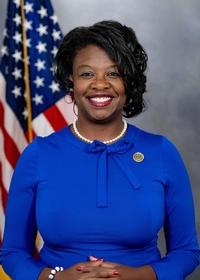
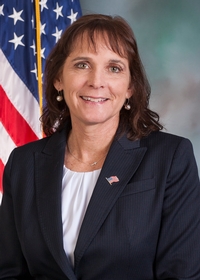
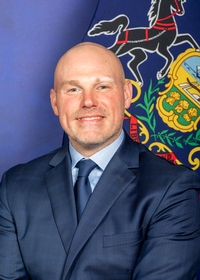
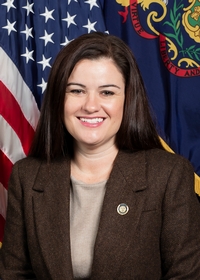
HB 1706 requires Pennsylvania schools to integrate student mental health awareness into existing health education standards and school operations. It mandates the State Board of Education to update health standards, the Department of Health and Education to develop public guidelines on mental health warning signs for students and families, and schools to notify students and parents twice yearly about local mental health services. The bill also requires school entities to report student absences or injuries in activities to student assistance programs and directs the Pennsylvania Interscholastic Athletic Association to add mental health training to coach certification by the 2025-2026 school year. This bill directly affects all public, private, and parochial schools in Pennsylvania, their students, families, and athletic staff.
This bill updates Pennsylvania's Public School Code to require that every school building attended by students be assigned at least one school nurse, reducing the maximum number of students per nurse from 1,500 to 750. It also adjusts state reimbursement rates for school health services, increasing the per-student funding amount for the 2026-2027 school year and beyond. Additionally, the bill mandates that the Department of Health use up to $3 million in grants to provide feminine hygiene products to students at no cost to school entities, with grant amounts proportional to student enrollment. These changes directly affect school districts, the Department of Health, and students across Pennsylvania's public school system.
HB 460 requires all teachers in Pennsylvania public schools to complete child abuse recognition and reporting training as part of their certification process. It amends the Public School Code of 1949 to integrate this training into both initial certification and ongoing educator requirements. The bill directly affects educators by mandating specific training to identify and report suspected abuse, ensuring schools meet updated child safety standards. This change applies to all public school teachers, including those seeking certification or renewing credentials.
HB 1648 amends Pennsylvania's Public School Code to establish "mental health days" as an excused absence for students, directly affecting public, nonpublic, and private school students. Schools must adopt policies by the 2026-2027 school year allowing up to two consecutive days off for mental or physical fatigue due to mental health-related stressors, whether certified (like anxiety) or uncertified (like bullying or family trauma). The bill prohibits more than three mental health days in a week or two consecutive weeks, except as permitted by school policies. The state Department of Education will develop model guidelines within 90 days to help schools implement these policies.
HB 1768 establishes four new grant programs to support Pennsylvania's local food system. It provides incentives for schools and institutions to purchase local food (Local Food Purchasing Incentive Grant), offers financial assistance to farmers for production improvements (Keystone Producer Grant), supports food distribution networks (Keystone Assistance Grant), and funds school meal programs sourcing from local farms (Keystone Fresh Farm to School Account). The Department of Agriculture and Department of Education would administer these programs and manage the grant allocations. The bill directly affects Pennsylvania farmers, schools, food distributors, and local food businesses by creating new funding mechanisms to strengthen regional food systems.
HB 1663 establishes Pennsylvania's Statewide Imagination Library Program under the Public School Code of 1949, creating a dedicated funding account managed by the Department of Education. The bill directly affects Pennsylvania children, particularly those from birth through age five, by providing free books through the program. Key provisions require the Department of Education to administer the program and manage the Imagination Library of Pennsylvania Restricted Account for funding. The bill is currently under review in the Children & Youth committee after being removed from the legislative table in November 2025.
HB 1676 establishes Pennsylvania's Nursing Shortage Assistance Program, which provides state grants to "qualified nursing servicers" to help nursing students repay loans after graduation. The program requires partner hospitals to match state funds 1:1 for loan repayment and commit to hiring graduates, with grants only covering tuition expenses (not administrative costs). Nursing students working at participating hospitals may receive up to $10,000 annually or $30,000 total in loan repayment assistance. The Department of Labor and Industry administers the program, sets application rules, and reports annually on its effectiveness to the legislature.
HB 1421 allocates state funding for certain state-aided universities during the 2025-2026 fiscal year. It specifies the amount of funding, requires payments to occur at set intervals, and mandates detailed recordkeeping by the universities. The bill also imposes new duties on the Auditor General to review these records and requires universities to submit financial statements. Additionally, it includes restrictions on the use of funds and addresses the Agricultural College Land Scrip Fund.
SB 315 amends Pennsylvania's 1949 education code to update school funding, safety, and instructional requirements. It establishes new school safety grants, updates teacher certification standards, and strengthens truancy prevention measures for all public and charter schools. The bill adds funding for career and technical education equipment, expands mental health support through school safety programs, and modifies higher education scholarship rules. As Act No. 47 of 2025, it became law on November 12, 2025, affecting students, teachers, school districts, and higher education institutions statewide.
HB 1701 amends Pennsylvania's Public School Code to change how school districts handle facility projects. It requires school entities to hold voter referendums or public hearings before constructing new buildings or leasing space, directly affecting school districts and communities. The bill establishes a Public School Facility Advisory Committee to advise on facility planning and repeals outdated requirements for schools to conduct building condition assessments. It also imposes new duties on the Department of Education to oversee school facility planning and funding. (HB 1701, passed October 2025)