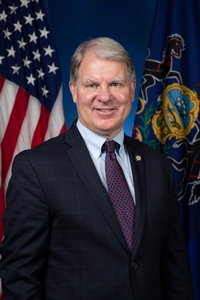
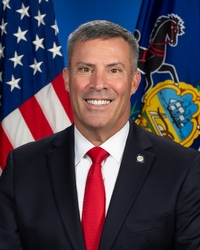
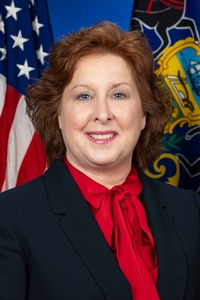
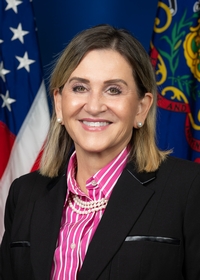
HB 681 amends Pennsylvania's Public School Code to update school health services and physical education requirements. It requires school districts to submit annual health reports, establishes an interagency council to coordinate child health, nutrition, and physical education services, and revises physical education curriculum standards. The bill directly affects Pennsylvania public schools and students by mandating new reporting, coordination, and updated physical education guidelines. It passed the legislature on June 11, 2025, and is now referred to the Education committee for further action.
HB 2084 establishes the Pennsylvania Promise Program, providing scholarships for tuition, fees, and room and board to eligible Pennsylvania residents attending college. It directly affects two groups: students under 24 (or active military) who must be Pennsylvania residents, have a high school diploma, and complete the FAFSA; and adult learners 24 or older seeking reeducation with similar requirements. The Pennsylvania Higher Education Assistance Agency administers the program and a dedicated fund, covering tuition up to the state's maximum in-state rate and room and board based on agency standards. The program applies to community colleges, state-owned institutions, state-related universities, and Thaddeus Stevens College.
This bill repeals the Pennsylvania Medical Education Loan Assistance Program, which previously provided financial incentives to students pursuing medical, nursing, biomedical, and life sciences education. The program allowed eligible students to access loans with favorable terms, including low interest rates and fees, to encourage them to practice medicine or nursing in Pennsylvania, particularly in underserved areas. By removing this legislation, the state will no longer administer this specific loan assistance program for medical education.
HB 2218 amends Pennsylvania's Public School Code to require all school entities (including districts, charter schools, cyber charters, and career schools) to develop and implement a written comprehensive school counseling plan. The bill mandates that each plan, created by certified school counselors, must include annual reviews, K-12 systemic alignment, grade-level and building-specific strategies, and integration with existing student services plans. Key provisions define "direct services" (like individual counseling and classroom instruction) and "indirect services" (such as parent consultations), requiring plans to guide students in academic, career, and social-emotional development. The law establishes specific components for the plan - foundation, management, delivery, and accountability - without specifying funding or new programs.
HB 2176 would require Pennsylvania public and nonpublic schools to integrate social media literacy into their curriculum. The bill mandates that state academic standards include specific lessons on social media's mental, psychological, and physical impacts on students, its effects on learning, safe online behavior (including identifying cyberbullying and predatory activity), and personal device security. The Department of Education must develop educational materials and provide professional development for teachers on these topics. This bill directly affects all Pennsylvania schools, including public school districts, charter schools, and nonpublic schools, by adding concrete requirements to student learning standards.
HB 1706 requires Pennsylvania schools to integrate student mental health awareness into existing health education standards and school operations. It mandates the State Board of Education to update health standards, the Department of Health and Education to develop public guidelines on mental health warning signs for students and families, and schools to notify students and parents twice yearly about local mental health services. The bill also requires school entities to report student absences or injuries in activities to student assistance programs and directs the Pennsylvania Interscholastic Athletic Association to add mental health training to coach certification by the 2025-2026 school year. This bill directly affects all public, private, and parochial schools in Pennsylvania, their students, families, and athletic staff.
This bill updates Pennsylvania's Public School Code to require that every school building attended by students be assigned at least one school nurse, reducing the maximum number of students per nurse from 1,500 to 750. It also adjusts state reimbursement rates for school health services, increasing the per-student funding amount for the 2026-2027 school year and beyond. Additionally, the bill mandates that the Department of Health use up to $3 million in grants to provide feminine hygiene products to students at no cost to school entities, with grant amounts proportional to student enrollment. These changes directly affect school districts, the Department of Health, and students across Pennsylvania's public school system.
HB 460 requires all teachers in Pennsylvania public schools to complete child abuse recognition and reporting training as part of their certification process. It amends the Public School Code of 1949 to integrate this training into both initial certification and ongoing educator requirements. The bill directly affects educators by mandating specific training to identify and report suspected abuse, ensuring schools meet updated child safety standards. This change applies to all public school teachers, including those seeking certification or renewing credentials.
HB 1648 amends Pennsylvania's Public School Code to establish "mental health days" as an excused absence for students, directly affecting public, nonpublic, and private school students. Schools must adopt policies by the 2026-2027 school year allowing up to two consecutive days off for mental or physical fatigue due to mental health-related stressors, whether certified (like anxiety) or uncertified (like bullying or family trauma). The bill prohibits more than three mental health days in a week or two consecutive weeks, except as permitted by school policies. The state Department of Education will develop model guidelines within 90 days to help schools implement these policies.
HB 1663 establishes Pennsylvania's Statewide Imagination Library Program under the Public School Code of 1949, creating a dedicated funding account managed by the Department of Education. The bill directly affects Pennsylvania children, particularly those from birth through age five, by providing free books through the program. Key provisions require the Department of Education to administer the program and manage the Imagination Library of Pennsylvania Restricted Account for funding. The bill is currently under review in the Children & Youth committee after being removed from the legislative table in November 2025.