Issue · Criminal Justice

Criminal Justice

Every criminal justice bill, vote, and legislator stance in Pennsylvania, automatically classified by Maddy, our AI policy reader.

Total bills
95
2025-2026 Regular Session
Top supporter
Lindsey Williams
85% support rate
Top opponent
Dawn Keefer
14% support rate
Ranked legislators
10
5 support · 5 oppose
Key legislators

Who's moving criminal justice in Pennsylvania

Legislators moving criminal justice in Pennsylvania
Legislator Party Stance Support rate Decisive votes
Lindsey Williams
Lindsey Williams Senate · District 38
D
Strong +
85% 13
Chris Pielli
Chris Pielli House · District 156
D
Strong +
84% 85
Tim Briggs
Tim Briggs House · District 149
D
Strong +
84% 85
Kyle Donahue
Kyle Donahue House · District 113
D
Strong +
84% 91
Melissa Shusterman
Melissa Shusterman House · District 157
D
Strong +
83% 89
Dawn Keefer
Dawn Keefer Senate · District 31
R
Strong −
14% 14
James Malone
James Malone Senate · District 36
D
Strong −
14% 7
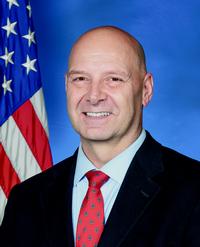
Doug Mastriano
Doug Mastriano Senate · District 33
R
Strong −
15% 26
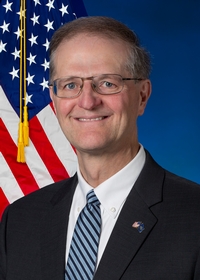
Scott Hutchinson
Scott Hutchinson Senate · District 21
R
Strong −
17% 12
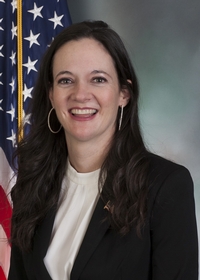
Stephanie Borowicz
Stephanie Borowicz House · District 76
R
Strong −
17% 87
Showing 81–90 of 95 bills

All criminal justice bills

in committee · Pennsylvania · Senate Mar 6, 2025

SB 387: An Act amending Titles 18 (Crimes and Offenses) and 61 (Prisons and Parole) of the Pennsylvania Consolidated Statutes, in authorized disposition of offenders, further providing for sentence for murder, murder of unborn child and murder of law enforcement officer and for sentence of persons under the age of 18 for murder, murder of an unborn child and murder of a law enforcement officer; and, in Pennsylvania Board of Probation and Parole, further providing for parole power.

SB 387 modifies Pennsylvania sentencing for murder offenses. It sets a minimum 25-year prison term for adults convicted of second-degree murder, murder of an unborn child, or murder of a law enforcement officer. For minors under 18 convicted of these crimes, it establishes minimum terms: 20 years for those aged 15+ at the time of offense, and 15 years for those under 15. The bill also restricts parole eligibility, requiring the Board of Probation and Parole to wait at least 20 years for offenders aged 15+ and 15 years for younger minors before considering parole, prioritizing public safety and victim safety.
passed · Pennsylvania · Senate Jun 25, 2025

SB 635: An Act amending Title 42 (Judiciary and Judicial Procedure) of the Pennsylvania Consolidated Statutes, in sentencing, providing for sentencing for offenses committed near drug and alcohol recovery houses.

SB 635 amends Pennsylvania sentencing law to impose stricter penalties for certain drug-related offenses committed within 1,000 feet of a drug and alcohol recovery house. Specifically, it requires the Pennsylvania Commission on Sentencing to create enhanced penalties for offenses under the Controlled Substance Act (sections 13(a)(12), (14), or (30)) when committed near these facilities. The bill defines "drug and alcohol recovery house" using existing law (Section 2311-A of the Administrative Code). This policy change directly affects individuals convicted of targeted drug offenses near recovery centers, increasing potential sentencing severity. The bill passed final passage on June 25, 2025.
Sub-Topics Drug Policy Sentencing
in committee · Pennsylvania · House Feb 20, 2025

HB 641: An Act amending Titles 42 (Judiciary and Judicial Procedure) and 61 (Prisons and Parole) of the Pennsylvania Consolidated Statutes, in sentencing, further providing for sentences for second and subsequent offenses; and, in Pennsylvania Board of Probation and Parole, further providing for parole power.

HB 641 requires individuals convicted of a "crime of violence" (as defined in the bill) and sentenced under Pennsylvania's second or subsequent offense provisions to serve 70% of their maximum sentence before becoming eligible for parole. This applies to serious offenses including murder, aggravated assault, sexual assault, robbery, and drug-related crimes resulting in death. The bill does not change the actual sentence length but modifies parole eligibility for repeat offenders in these categories. It affects only those convicted of specific violent crimes under the defined second or subsequent offense rules.
in committee · Pennsylvania · House Jul 3, 2025

HB 1698: An Act amending Title 18 (Crimes and Offenses) of the Pennsylvania Consolidated Statutes, in assault, further providing for the offense of terrorism.

HB 1698 amends Pennsylvania's terrorism statute (Title 18, Section 2717) to increase sentencing for terrorism-related assaults. Specifically, it raises the maximum prison term for individuals convicted of terrorism when the underlying violent offense is a first-degree felony from 40 years to life imprisonment, while maintaining a $100,000 maximum fine. This change directly affects defendants convicted under this terrorism provision who commit first-degree felony assaults. The bill modifies existing sentencing guidelines without creating new offenses or expanding the definition of terrorism. It will take effect 60 days after enactment.
in committee · Pennsylvania · Senate May 28, 2025

SB 798: An Act amending Title 18 (Crimes and Offenses) of the Pennsylvania Consolidated Statutes, in inchoate crimes, providing for the offense of possession of firearm or other dangerous weapon in municipal building.

SB 798 creates a new misdemeanor offense for knowingly possessing a firearm or dangerous weapon in a municipal building when a local ordinance bans such items. It directly affects individuals entering municipal buildings (like town halls or courthouses) and requires municipalities to post clear notices and provide free, no-cost firearm check facilities within 30 days of adopting a ban. The bill specifies penalties: third-degree misdemeanors for basic possession, first-degree for possession with criminal intent, and summary offenses for certain licensed carriers who fail to check firearms. Exceptions include law enforcement, municipal officials, veterans groups on ceremonial duty, and attorneys with authorized exhibits.
Sub-Topics Drug Policy Firearms
in committee · Pennsylvania · Senate Jul 31, 2025

SB 913: An Act amending Title 42 (Judiciary and Judicial Procedure) of the Pennsylvania Consolidated Statutes, in sentencing, providing for sentencing for offenses committed while engaged in riots.

This bill amends Pennsylvania's sentencing guidelines to increase penalties for specific offenses committed during riots. It requires the Pennsylvania Commission on Sentencing to create enhanced penalties for crimes like simple assault, aggravated assault, burglary, and criminal trespass when these occur while violating riot laws (18 Pa.C.S. § 5501). The key mechanism is adding a sentencing enhancement factor for such circumstances, modifying the standard penalty ranges for these offenses. The bill directly affects individuals convicted of these specific crimes during riot-related incidents.
in committee · Pennsylvania · Senate Jul 31, 2025

SB 918: An Act amending Title 42 (Judiciary and Judicial Procedure) of the Pennsylvania Consolidated Statutes, in sentencing, providing for sentences for persons not to possess, use, manufacture, control, sell or transfer firearms.

SB 918 sets mandatory minimum prison terms for Pennsylvania residents convicted of illegal firearm possession. First-time offenders face at least 11 months in prison, repeat offenders get a minimum of 5 years for a second conviction, and those with two prior violations face a 15-year minimum. The law requires courts to verify prior convictions before applying these sentences and bars parole until the minimum term is served. It directly affects individuals convicted under Pennsylvania's firearm possession law (18 Pa.C.S. § 6105), particularly those with prior offenses.
in committee · Pennsylvania · House May 29, 2025

HB 1508: An Act amending Title 42 (Judiciary and Judicial Procedure) of the Pennsylvania Consolidated Statutes, in sentencing, providing for sentences for persons not to possess, use, manufacture, control, sell or transfer firearms.

HB 1508 would change sentencing guidelines for individuals convicted of possessing firearms while prohibited under Pennsylvania law. It directly affects people with certain criminal convictions or protective orders who are legally barred from owning guns. The bill specifies mandatory minimum sentences for these offenses, modifying current provisions in Pennsylvania's judicial code to establish clearer penalties for firearm possession by prohibited persons.
in committee · Pennsylvania · House Sep 9, 2025

HB 1477: An Act amending Title 18 (Crimes and Offenses) of the Pennsylvania Consolidated Statutes, in assault, further providing for the offense of stalking.

HB 1477 increases penalties for repeat stalking offenses in Pennsylvania. It upgrades second or subsequent stalking convictions (or first offenses with prior violent crimes against the same victim, like assault or rape) to a second-degree felony, requiring a minimum 5-year prison sentence and a maximum of 10 years. The bill mandates that courts must consider prior convictions for specific violent crimes when sentencing, with strict procedures for verifying those records. This directly affects individuals convicted of stalking who have prior violent offenses against the same person, altering sentencing outcomes without changing the definition of stalking itself.
in committee · Pennsylvania · House Sep 17, 2025

HB 1867: An Act amending Title 18 (Crimes and Offenses) of the Pennsylvania Consolidated Statutes, in firearms and other dangerous articles, providing for prohibition of extreme risk protective orders.

HB 1867 would amend Pennsylvania's criminal code to prohibit courts from issuing extreme risk protective orders (ERPOs), which are court orders temporarily removing firearms from individuals deemed a risk to themselves or others. This bill directly affects individuals who might be subject to such orders, as well as law enforcement and courts that currently use ERPOs under existing state law. The key provision would eliminate the legal mechanism for ERPOs in Pennsylvania, preventing judges from issuing these orders even when requested by law enforcement or family members. The bill is currently in the Judiciary committee following its referral on September 17, 2025.
Sub-Topics Courts Firearms
Showing 81 to 90 of 95 bills