Issue · Criminal Justice

Criminal Justice (Courts)

Every criminal justice bill, vote, and legislator stance in Pennsylvania, automatically classified by Maddy, our AI policy reader.

Total bills
59
2025-2026 Regular Session
Top supporter
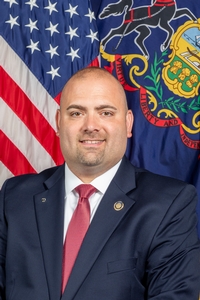
Ben Sanchez
94% support rate
Top opponent
John Lawrence
0% support rate
Ranked legislators
10
5 support · 5 oppose
Key legislators

Who's moving courts in Pennsylvania

Legislators moving courts in Pennsylvania
Legislator Party Stance Support rate Votes
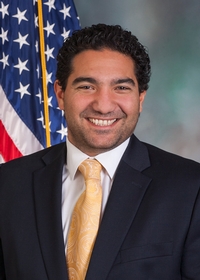
Ben Sanchez
Ben Sanchez House · District 153
D
Strong +
94% 17
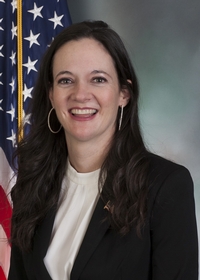
Emily Kinkead
Emily Kinkead House · District 20
D
Strong +
94% 17
Kristine Howard
Kristine Howard House · District 167
D
Strong +
94% 17
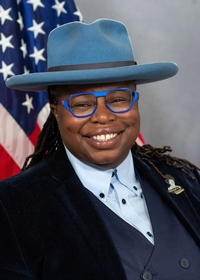
La'Tasha Mayes
La'Tasha Mayes House · District 24
D
Strong +
94% 17
Liz Hanbidge
Liz Hanbidge House · District 61
D
Strong +
94% 17
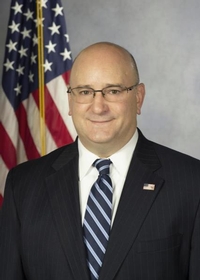
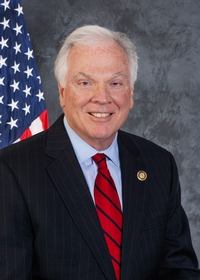
John Lawrence
John Lawrence House · District 13
R
Strong −
0% 6
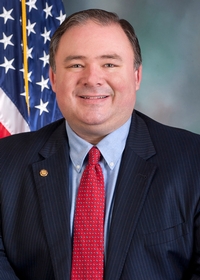
Josh Kail
Josh Kail House · District 15
R
Strong −
6% 17
Joe Hamm
Joe Hamm House · District 84
R
Strong −
7% 15
Stephanie Borowicz
Stephanie Borowicz House · District 76
R
Strong −
7% 15
Tim Bonner
Tim Bonner House · District 17
R
Strong −
7% 15
Showing 41–50 of 59 bills

All criminal justice bills

in committee · Pennsylvania · House May 21, 2025

HB 1493: An Act amending Title 42 (Judiciary and Judicial Procedure) of the Pennsylvania Consolidated Statutes, in Administrative Office of Pennsylvania Courts, providing for data collection on race and ethnicity in criminal cases.

HB 1493 requires Pennsylvania's Administrative Office of Pennsylvania Courts to collect and publicly publish data on the race and ethnicity of defendants in criminal cases. This data must be posted in an accessible online format and reported annually to the Pennsylvania Commission on Crime and Delinquency. The bill directly affects all individuals involved in criminal cases across Pennsylvania's court system by mandating standardized demographic data collection. It establishes a concrete mechanism for tracking racial and ethnic disparities in criminal proceedings without altering sentencing or legal procedures. The law takes effect 60 days after enactment.
in committee · Pennsylvania · Senate Apr 9, 2025

SB 575: An Act amending Titles 18 (Crimes and Offenses) and 42 (Judiciary and Judicial Procedure) of the Pennsylvania Consolidated Statutes, in assault, further providing for the offense of ethnic intimidation; and making an editorial change.

SB 575 amends Pennsylvania law to expand the definition of hate-based intimidation under Title 18, specifically adding "ethnic" to the list of protected characteristics (alongside race, color, religion, national origin, and disability) for offenses involving assault or property damage. It creates a new civil remedy under Title 42, allowing victims injured by such acts to sue for damages, injunctions, or other relief in court. The bill directly affects individuals who experience hate-motivated crimes and the legal system handling these cases. The changes take effect 60 days after enactment.
in committee · Pennsylvania · Senate Feb 25, 2025

SB 300: An Act amending Title 42 (Judiciary and Judicial Procedure) of the Pennsylvania Consolidated Statutes, in facilities and supplies, further providing for surcharge; and, in forfeiture of assets, providing for legal representation in forfeiture proceedings.

This bill adds a $2.25 surcharge to civil court filings in Pennsylvania and creates a new requirement for legal representation in asset forfeiture cases. It directly affects individuals facing property seizure (especially real estate) who cannot afford a lawyer and have not been criminally charged. Courts must provide attorneys for these individuals upon request, considering factors like the claim's good faith and the person's legal standing. The funds from the new filing fee will be used by counties to administer this legal representation program.
in committee · Pennsylvania · Senate Mar 6, 2025

SB 369: An Act amending Title 42 (Judiciary and Judicial Procedure) of the Pennsylvania Consolidated Statutes, in depositions and witnesses, providing for informant testimony.

SB 369 requires prosecutors to disclose detailed information about informants - such as their criminal history, cooperation agreements, and all statements made to them - 30 days before trial in criminal cases where informant testimony is used. It mandates a court hearing to verify the reliability of such testimony before it can be admitted, considering factors like corroboration and specificity. This directly affects criminal defendants by giving them more information to challenge informant credibility, and prosecutors who must now follow strict disclosure rules. The bill also requires prosecutors to notify victims if informants received benefits like plea deals in exchange for testimony.
Sub-Topics Courts
in committee · Pennsylvania · Senate Feb 26, 2025

SB 334: An Act amending Titles 42 (Judiciary and Judicial Procedure) and 75 (Vehicles) of the Pennsylvania Consolidated Statutes, in sentencing, further providing for payment of court costs, restitution and fines, for fine and for failure to pay fine; in licensing of drivers, further providing for suspension of operating privilege for failure to respond to citation; and, in penalties and disposition of fines, further providing for inability to pay fine and costs.

SB 334 modifies Pennsylvania's court cost and fine payment rules to prioritize financial ability over penalties for those unable to pay. It requires judges to hold hearings before imposing fines or jail time for nonpayment, then sets income-based installment plans (using 125%-200% of Federal poverty levels) or waivers for low-income defendants. The bill directly affects individuals facing court costs, fines, or driver's license suspensions due to unpaid citations. Key provisions include preventing jail time for nonpayment if a defendant proves financial hardship, capping monthly payments based on income, and waiving collection fees for those below poverty thresholds.
in committee · Pennsylvania · Senate May 12, 2025

SR 105: A Resolution recognizing the month of May 2025 as "National Treatment Court Month" in Pennsylvania.

Senate Resolution 105 recognizes May 2025 as "National Treatment Court Month" in Pennsylvania. This resolution aims to raise awareness about the effectiveness of various treatment courts, such as Drug Courts and Mental Health Courts, in addressing underlying issues contributing to criminal behavior and promoting recovery.
Sub-Topics Courts Substance Abuse
in committee · Pennsylvania · Senate Mar 21, 2025

SB 54: An Act amending Titles 42 (Judiciary and Judicial Procedure) and 61 (Prisons and Parole) of the Pennsylvania Consolidated Statutes, in limitation of time, further providing for six months limitation; in matters affecting government units, further providing for exceptions to sovereign immunity, for limitations on damages and for exceptions to governmental immunity and providing for claims for compensation for wrongful conviction; in general administration, providing for services after wrongful conviction; and, in Pennsylvania Board of Probation and Parole, further providing for powers and duties of department.

SB 54 establishes a new process for individuals wrongfully convicted in Pennsylvania to seek financial compensation. To qualify, claimants must prove actual innocence through overturned convictions, pardons, or acquittals after retrial, and have served time for the crime. The bill creates a petition process in Commonwealth Court (without requiring attorneys) and specifies eligibility criteria (e.g., excluding accomplices or those who committed perjury) and compensation amounts based on time served. It also modifies immunity laws to ensure wrongful conviction claims aren't blocked by government defenses.
in committee · Pennsylvania · House Apr 17, 2025

HB 1237: An Act amending Title 42 (Judiciary and Judicial Procedure) of the Pennsylvania Consolidated Statutes, in organization and jurisdiction of courts of common pleas, further providing for problem-solving courts; and, in sentencing, further providing for modification or revocation of order of probation.

HB 1237 amends Pennsylvania law to expand problem-solving courts, such as drug, mental health, and veterans courts, in courts of common pleas. It allows these courts to be established using available funds and creates a Statewide Coordinator to help with funding, coordination, and evaluation of such programs. The bill also changes sentencing rules: for technical probation violations (like missing a meeting), courts must consider a defendant’s employment status and may allow up to 30 days of confinement to enter a problem-solving court. This directly affects defendants on probation who might be referred to treatment programs instead of jail, as well as the courts administering these programs. The law takes effect in 60 days.
in committee · Pennsylvania · House Sep 17, 2025

HB 1867: An Act amending Title 18 (Crimes and Offenses) of the Pennsylvania Consolidated Statutes, in firearms and other dangerous articles, providing for prohibition of extreme risk protective orders.

HB 1867 would amend Pennsylvania's criminal code to prohibit courts from issuing extreme risk protective orders (ERPOs), which are court orders temporarily removing firearms from individuals deemed a risk to themselves or others. This bill directly affects individuals who might be subject to such orders, as well as law enforcement and courts that currently use ERPOs under existing state law. The key provision would eliminate the legal mechanism for ERPOs in Pennsylvania, preventing judges from issuing these orders even when requested by law enforcement or family members. The bill is currently in the Judiciary committee following its referral on September 17, 2025.
Sub-Topics Courts Firearms
in committee · Pennsylvania · House Jun 17, 2026

HB 1381: An Act amending Title 42 (Judiciary and Judicial Procedure) of the Pennsylvania Consolidated Statutes, in juvenile matters, further providing for definitions.

HB 1381 amends Pennsylvania's juvenile justice definitions by raising the minimum age for a "delinquent child" from 10 to 13 years old. This change directly affects children aged 10-12 who previously could be classified as delinquent under the law; they will no longer be considered "delinquent children" under this definition. The bill modifies Section 6302 of Title 42 (Judiciary and Judicial Procedure) to specify that a "delinquent child" must be 13 or older, with the court finding they committed a delinquent act requiring treatment or rehabilitation. The amendment applies to juvenile proceedings beginning on or after its effective date, 60 days after enactment.
Showing 41 to 50 of 59 bills
Previous 1 4 5 6 Next