Issue · Criminal Justice

Criminal Justice (Courts)

Every criminal justice bill, vote, and legislator stance in Pennsylvania, automatically classified by Maddy, our AI policy reader.

Total bills
52
2025-2026 Regular Session
Top supporter
Ben Sanchez
94% support rate
Top opponent
John Lawrence
0% support rate
Ranked legislators
10
5 support · 5 oppose
Key legislators

Who's moving courts in Pennsylvania

Legislators moving courts in Pennsylvania
Legislator Party Stance Support rate Votes
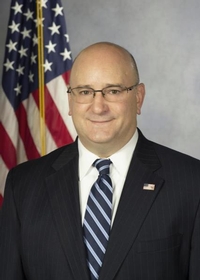
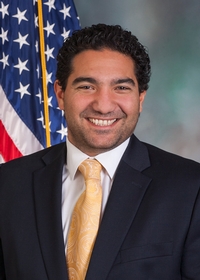
Ben Sanchez
Ben Sanchez House · District 153
D
Strong +
94% 17
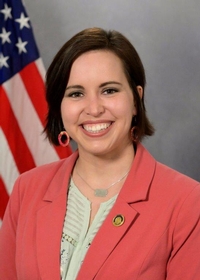
Emily Kinkead
Emily Kinkead House · District 20
D
Strong +
94% 17
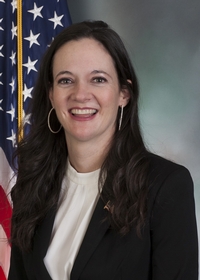
Kristine Howard
Kristine Howard House · District 167
D
Strong +
94% 17
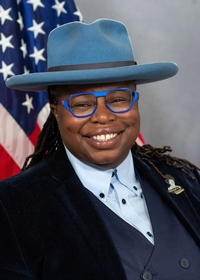
La'Tasha Mayes
La'Tasha Mayes House · District 24
D
Strong +
94% 17
Liz Hanbidge
Liz Hanbidge House · District 61
D
Strong +
94% 17
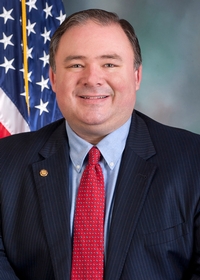
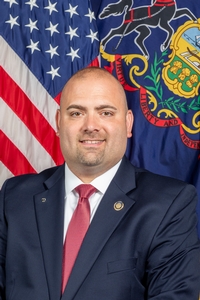
John Lawrence
John Lawrence House · District 13
R
Strong −
0% 6
Josh Kail
Josh Kail House · District 15
R
Strong −
6% 17
Joe Hamm
Joe Hamm House · District 84
R
Strong −
7% 15
Stephanie Borowicz
Stephanie Borowicz House · District 76
R
Strong −
7% 15
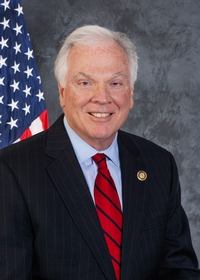
Tim Bonner
Tim Bonner House · District 17
R
Strong −
7% 15
Showing 31–40 of 52 bills

All criminal justice bills

in committee · Pennsylvania · House Apr 13, 2026

HB 1247: An Act amending Title 42 (Judiciary and Judicial Procedure) of the Pennsylvania Consolidated Statutes, in rules of evidence, providing for prohibition of deception during custodial interrogation of individual with intellectual disability or autism.

HB 1247 prohibits law enforcement officers from using deception - such as false promises of leniency or misleading information - during custodial interrogations of individuals with intellectual disabilities or autism. Any confession obtained through such deception would be presumed inadmissible in criminal or juvenile court cases for offenses that would be misdemeanors or felonies if committed by an adult. The state (Commonwealth) must prove the confession was voluntary by a preponderance of evidence to overcome this presumption, shifting the burden of proof from the defense to the prosecution. This applies to all custodial interrogations conducted at police stations or other detention facilities.
in committee · Pennsylvania · Senate Apr 28, 2025

SB 691: An Act amending Titles 35 (Health and Safety), 42 (Judiciary and Judicial Procedure) and 61 (Prisons and Parole) of the Pennsylvania Consolidated Statutes, establishing the Nonnarcotic Medication Substance Use Disorder Treatment Program; in organization and jurisdiction of courts of common pleas, providing for court assessments for substance use disorder treatment; in other criminal provisions, further providing for supervisory relationship to offenders; and, in Pennsylvania Board of Probation and Parole, further providing for supervisory relationship to offenders.

SB 691 establishes the Nonnarcotic Medication Substance Use Disorder Treatment Program within Pennsylvania's Department of Drug and Alcohol Programs. This program provides grants to local agencies, known as single county authorities, to offer comprehensive nonnarcotic medication-assisted treatment to offenders with substance use disorders. Eligible providers will assess offenders receiving various court-imposed sentences for drug-related offenses and offer individualized treatment plans, including FDA-approved nonnarcotic medication and counseling. The bill also allows courts to order substance use disorder assessments for these offenders and updates provisions related to their supervision by probation and parole.
in committee · Pennsylvania · House May 5, 2025

HB 1397: An Act amending Title 42 (Judiciary and Judicial Procedure) of the Pennsylvania Consolidated Statutes, in preliminary provisions relating to actions, proceedings and other matters generally, providing for use of media devices.

House Bill 1397 amends Pennsylvania law to allow individuals to use media devices to record, transmit, or broadcast images, video, or audio of judicial proceedings without needing court approval. This change directly affects attendees of court proceedings and the judiciary by altering rules for public access and recording. However, the bill specifies several exceptions where this permission does not apply, including proceedings related to sexual abuse, domestic violence, protection from abuse, sexual violence or intimidation, and testimony from child witnesses or confidential informants.
in committee · Pennsylvania · House Apr 15, 2025

HB 1192: An Act amending Title 42 (Judiciary and Judicial Procedure) of the Pennsylvania Consolidated Statutes, in courts of common pleas, further providing for problem-solving courts; and, in minor courts, providing for the Mothers Treatment Court Pilot Program.

HB 1192 establishes a "Mothers Treatment Court Pilot Program" within Pennsylvania's minor courts, targeting mothers involved in the criminal justice system who require substance abuse or mental health treatment. The bill requires the Administrative Office of Pennsylvania Courts to create guidelines within six months for identifying eligible mothers, addressing their specific needs, and collecting data on program outcomes. Counties implementing the program must track participant referrals, charges, outcomes, and report annually - without personally identifiable information - to a public website. This pilot program, initially limited to minor courts, aims to provide court-supervised treatment alternatives rather than standard criminal penalties for qualifying mothers.
Sub-Topics Courts Substance Abuse
in committee · Pennsylvania · House May 7, 2025

HB 1419: An Act amending Title 23 (Domestic Relations) of the Pennsylvania Consolidated Statutes, in protection from abuse, further providing for contempt for violation of order or agreement.

HB 1419 amends Pennsylvania's domestic relations law to strengthen penalties for repeatedly violating protection-from-abuse orders. It creates tiered misdemeanor fines based on prior contempt violations: $500 minimum for a second offense, $500 for a third, and $500 for three or more offenses. The bill also removes jury trial rights for first-time violators (while guaranteeing legal counsel) and requires fines to fund domestic violence programs without replacing existing funding. This directly affects individuals who repeatedly disregard court-ordered protection from abuse. The changes aim to increase accountability for violating protective orders.
in committee · Pennsylvania · House May 21, 2025

HB 1493: An Act amending Title 42 (Judiciary and Judicial Procedure) of the Pennsylvania Consolidated Statutes, in Administrative Office of Pennsylvania Courts, providing for data collection on race and ethnicity in criminal cases.

HB 1493 requires Pennsylvania's Administrative Office of Pennsylvania Courts to collect and publicly publish data on the race and ethnicity of defendants in criminal cases. This data must be posted in an accessible online format and reported annually to the Pennsylvania Commission on Crime and Delinquency. The bill directly affects all individuals involved in criminal cases across Pennsylvania's court system by mandating standardized demographic data collection. It establishes a concrete mechanism for tracking racial and ethnic disparities in criminal proceedings without altering sentencing or legal procedures. The law takes effect 60 days after enactment.
in committee · Pennsylvania · Senate Apr 9, 2025

SB 575: An Act amending Titles 18 (Crimes and Offenses) and 42 (Judiciary and Judicial Procedure) of the Pennsylvania Consolidated Statutes, in assault, further providing for the offense of ethnic intimidation; and making an editorial change.

SB 575 amends Pennsylvania law to expand the definition of hate-based intimidation under Title 18, specifically adding "ethnic" to the list of protected characteristics (alongside race, color, religion, national origin, and disability) for offenses involving assault or property damage. It creates a new civil remedy under Title 42, allowing victims injured by such acts to sue for damages, injunctions, or other relief in court. The bill directly affects individuals who experience hate-motivated crimes and the legal system handling these cases. The changes take effect 60 days after enactment.
in committee · Pennsylvania · Senate Feb 25, 2025

SB 300: An Act amending Title 42 (Judiciary and Judicial Procedure) of the Pennsylvania Consolidated Statutes, in facilities and supplies, further providing for surcharge; and, in forfeiture of assets, providing for legal representation in forfeiture proceedings.

This bill adds a $2.25 surcharge to civil court filings in Pennsylvania and creates a new requirement for legal representation in asset forfeiture cases. It directly affects individuals facing property seizure (especially real estate) who cannot afford a lawyer and have not been criminally charged. Courts must provide attorneys for these individuals upon request, considering factors like the claim's good faith and the person's legal standing. The funds from the new filing fee will be used by counties to administer this legal representation program.
in committee · Pennsylvania · Senate Mar 6, 2025

SB 369: An Act amending Title 42 (Judiciary and Judicial Procedure) of the Pennsylvania Consolidated Statutes, in depositions and witnesses, providing for informant testimony.

SB 369 requires prosecutors to disclose detailed information about informants - such as their criminal history, cooperation agreements, and all statements made to them - 30 days before trial in criminal cases where informant testimony is used. It mandates a court hearing to verify the reliability of such testimony before it can be admitted, considering factors like corroboration and specificity. This directly affects criminal defendants by giving them more information to challenge informant credibility, and prosecutors who must now follow strict disclosure rules. The bill also requires prosecutors to notify victims if informants received benefits like plea deals in exchange for testimony.
Sub-Topics Courts
in committee · Pennsylvania · Senate Feb 26, 2025

SB 334: An Act amending Titles 42 (Judiciary and Judicial Procedure) and 75 (Vehicles) of the Pennsylvania Consolidated Statutes, in sentencing, further providing for payment of court costs, restitution and fines, for fine and for failure to pay fine; in licensing of drivers, further providing for suspension of operating privilege for failure to respond to citation; and, in penalties and disposition of fines, further providing for inability to pay fine and costs.

SB 334 modifies Pennsylvania's court cost and fine payment rules to prioritize financial ability over penalties for those unable to pay. It requires judges to hold hearings before imposing fines or jail time for nonpayment, then sets income-based installment plans (using 125%-200% of Federal poverty levels) or waivers for low-income defendants. The bill directly affects individuals facing court costs, fines, or driver's license suspensions due to unpaid citations. Key provisions include preventing jail time for nonpayment if a defendant proves financial hardship, capping monthly payments based on income, and waiving collection fees for those below poverty thresholds.
Showing 31 to 40 of 52 bills
Previous 1 3 4 5 6 Next