Issue · Criminal Justice

Criminal Justice (Sentencing)

Every criminal justice bill, vote, and legislator stance in Pennsylvania, automatically classified by Maddy, our AI policy reader.

Total bills
33
2025-2026 Regular Session
Top supporter
Nikil Saval
100% support rate
Top opponent
Camera Bartolotta
0% support rate
Ranked legislators
10
5 support · 5 oppose
Key legislators

Who's moving sentencing in Pennsylvania

Legislators moving sentencing in Pennsylvania
Legislator Party Stance Support rate Votes
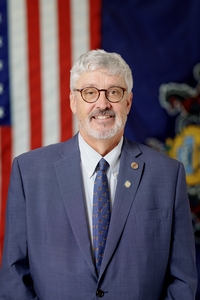
Nikil Saval
Nikil Saval Senate · District 1
D
Strong +
100% 10
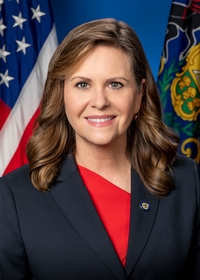
Amanda Cappelletti
Amanda Cappelletti Senate · District 17
D
Strong +
100% 9
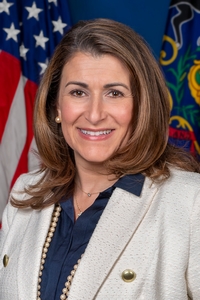
Maria Collett
Maria Collett Senate · District 12
D
Strong +
100% 9
Lindsey Williams
Lindsey Williams Senate · District 38
D
Strong +
100% 6
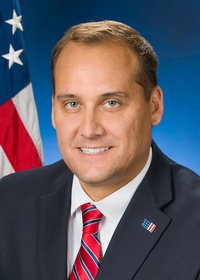
Tim Kearney
Tim Kearney Senate · District 26
D
Strong +
100% 6
Camera Bartolotta
Camera Bartolotta Senate · District 46
R
Strong −
0% 10
Kim Ward
Kim Ward Senate · District 39
R
Strong −
0% 10
Rosemary Brown
Rosemary Brown Senate · District 40
R
Strong −
0% 10
Wayne Langerholc
Wayne Langerholc Senate · District 35
R
Strong −
0% 10
Cris Dush
Cris Dush Senate · District 25
R
Strong −
0% 9
Showing 21–30 of 33 bills

All criminal justice bills

in committee · Pennsylvania · Senate Feb 3, 2025

SB 135: An Act amending Titles 18 (Crimes and Offenses), 42 (Judiciary and Judicial Procedure) and 61 (Prisons and Parole) of the Pennsylvania Consolidated Statutes, in authorized disposition of offenders, further providing for sentence of persons under the age of 18 for murder, murder of an unborn child and murder of a law enforcement officer; in sentencing, further providing for sentences for second and subsequent offenses; in miscellaneous provisions relating to inmate confinement, establishing the Life with Parole Reinvestment Fund; and, in Pennsylvania Board of Probation and Parole, further providing for parole power.

SB 135 changes sentencing for minors (under 18) convicted of certain murders. It mandates minimum 25- or 35-year prison terms (instead of life without parole) for those aged 15+ at the time of first-degree murder, murder of an unborn child, or murder of a law enforcement officer. The bill also establishes the Life with Parole Reinvestment Fund, which uses prison cost savings from parole decisions to fund victim services, offender reentry programs, and supervision. These changes affect minors convicted of specified violent crimes and modify parole procedures for life-sentence inmates. The fund transfers 25% to victim services, 25% to offender supervision, and 50% to reentry programs starting in 2026.
in committee · Pennsylvania · House Jan 28, 2026

HB 1671: An Act amending Title 42 (Judiciary and Judicial Procedure) of the Pennsylvania Consolidated Statutes, in commencement of proceedings, providing for restorative justice.

HB 1671 amends Pennsylvania's sentencing laws to require courts to consider restorative justice programs when sentencing individuals convicted of crimes. This directly affects people in Pennsylvania's criminal justice system who are facing sentencing decisions. The bill adds specific provisions requiring judges to evaluate whether restorative justice - where offenders repair harm to victims and communities - can be applied alongside traditional sentencing. It aims to expand judicial options beyond incarceration by formally integrating these community-focused approaches into sentencing considerations.
in committee · Pennsylvania · Senate Feb 26, 2025

SB 334: An Act amending Titles 42 (Judiciary and Judicial Procedure) and 75 (Vehicles) of the Pennsylvania Consolidated Statutes, in sentencing, further providing for payment of court costs, restitution and fines, for fine and for failure to pay fine; in licensing of drivers, further providing for suspension of operating privilege for failure to respond to citation; and, in penalties and disposition of fines, further providing for inability to pay fine and costs.

SB 334 modifies Pennsylvania's court cost and fine payment rules to prioritize financial ability over penalties for those unable to pay. It requires judges to hold hearings before imposing fines or jail time for nonpayment, then sets income-based installment plans (using 125%-200% of Federal poverty levels) or waivers for low-income defendants. The bill directly affects individuals facing court costs, fines, or driver's license suspensions due to unpaid citations. Key provisions include preventing jail time for nonpayment if a defendant proves financial hardship, capping monthly payments based on income, and waiving collection fees for those below poverty thresholds.
in committee · Pennsylvania · Senate Mar 21, 2025

SB 493: An Act amending Title 42 (Judiciary and Judicial Procedure) of the Pennsylvania Consolidated Statutes, in bonds and recognizances, providing for cash bail prohibited, for conditions of release and for collection and report of pretrial release data; in sentencing, further providing for modification or revocation of order of probation; and abrogating regulations.

SB 493 prohibits cash bail for pretrial release in Pennsylvania, meaning courts cannot require defendants to pay money to be released before trial. Instead, judges may only order detention if the prosecution proves a felony defendant poses an immediate danger to others and no non-monetary conditions (like electronic monitoring) can ensure public safety. The bill also requires counties to collect and publish annual data on pretrial detention by race, gender, and ethnicity, and prevents probation revocation solely due to unpaid electronic monitoring fees. These changes directly affect defendants facing pretrial detention decisions and county courts managing release conditions.
in committee · Pennsylvania · House Apr 17, 2025

HB 1237: An Act amending Title 42 (Judiciary and Judicial Procedure) of the Pennsylvania Consolidated Statutes, in organization and jurisdiction of courts of common pleas, further providing for problem-solving courts; and, in sentencing, further providing for modification or revocation of order of probation.

HB 1237 amends Pennsylvania law to expand problem-solving courts, such as drug, mental health, and veterans courts, in courts of common pleas. It allows these courts to be established using available funds and creates a Statewide Coordinator to help with funding, coordination, and evaluation of such programs. The bill also changes sentencing rules: for technical probation violations (like missing a meeting), courts must consider a defendant’s employment status and may allow up to 30 days of confinement to enter a problem-solving court. This directly affects defendants on probation who might be referred to treatment programs instead of jail, as well as the courts administering these programs. The law takes effect in 60 days.
in committee · Pennsylvania · House May 12, 2025

HB 1441: An Act amending Titles 18 (Crimes and Offenses), 42 (Judiciary and Judicial Procedure) and 61 (Prisons and Parole) of the Pennsylvania Consolidated Statutes, in authorized disposition of offenders, further providing for sentence of persons under the age of 18 for murder, murder of an unborn child and murder of a law enforcement officer; in sentencing, further providing for sentences for second and subsequent offenses; and, in Pennsylvania Board of Probation and Parole, further providing for parole power.

HB 1441 proposes significant changes to sentencing and parole eligibility for certain serious offenses in Pennsylvania, applying these changes retroactively. The bill modifies sentences for individuals under 18 convicted of first-degree murder, murder of an unborn child, or murder of a law enforcement officer, replacing "life without parole" with minimum terms of 25 or 35 years to life, making them eligible for parole. It also removes "without parole" from life sentences for repeat violent offenders, allowing them parole consideration. The Pennsylvania Board of Probation and Parole would gain the power to parole individuals serving life sentences, though it would be prohibited from granting parole to offenders who murdered a law enforcement officer. Additionally, for those serving life sentences, parole consideration would not begin until at least five years of incarceration.
in committee · Pennsylvania · Senate Oct 3, 2025

SB 1025: An Act amending Title 42 (Judiciary and Judicial Procedure) of the Pennsylvania Consolidated Statutes, in sentencing, providing for sentencing for hate-based intimidation and for community impact statements.

SB 1025 amends Pennsylvania's sentencing laws to specifically address hate-based intimidation crimes. It requires judges to consider hate motivation as an aggravating factor during sentencing for such offenses and mandates the inclusion of community impact statements. These statements allow community members affected by the crime to share how it impacted their neighborhood or group. The bill directly affects individuals convicted of hate crimes and the communities they harm, changing how courts weigh these factors during sentencing.
Sub-Topics Sentencing
in committee · Pennsylvania · House Sep 30, 2025

HB 1904: An Act amending Title 42 (Judiciary and Judicial Procedure) of the Pennsylvania Consolidated Statutes, in sentencing, providing for sentencing for hate-based intimidation and for community impact statements.

HB 1904 would amend Pennsylvania's sentencing laws to specifically address hate-based intimidation, which occurs when someone intimidates another person due to their race, religion, sexual orientation, or other personal characteristics. The bill requires courts to consider community impact statements during sentencing, which are written accounts from community members about how the crime affected the broader community. This change would directly affect judges, courts handling such cases, and the communities impacted by bias-motivated intimidation offenses.
in committee · Pennsylvania · House Apr 27, 2026

HB 99: An Act amending Titles 18 (Crimes and Offenses), 42 (Judiciary and Judicial Procedure) and 61 (Prisons and Parole) of the Pennsylvania Consolidated Statutes, in authorized disposition of offenders, further providing for sentence for murder, murder of unborn child and murder of law enforcement officer; in arson, criminal mischief and other property destruction, further providing for the offense of arson and related offenses; in jurisdiction of appellate courts, further providing for direct appeals from courts of common pleas; in post-trial matters, further providing for postconviction DNA testing and for disposition and appeal; in sentencing, further providing for sentencing procedure for murder of the first degree; and, in execution procedure and method, repealing provisions relating to issuance of warrant.

HB 99 amends Pennsylvania criminal law to change sentencing for murder (including murder of an unborn child or law enforcement officer), clarify arson and property destruction offenses, and update appellate procedures. It establishes direct appeals from common pleas courts for certain cases, adds requirements for postconviction DNA testing, and removes outdated procedures for execution warrants. The bill directly affects courts, prosecutors, defense attorneys, and individuals convicted of crimes covered under the amended statutes. These changes aim to standardize sentencing and legal processes without altering current penalties or introducing new criminal charges.
in committee · Pennsylvania · House Feb 3, 2025

HB 443: An Act amending Titles 18 (Crimes and Offenses) and 61 (Prisons and Parole) of the Pennsylvania Consolidated Statutes, in authorized disposition of offenders, further providing for sentence for murder, murder of unborn child and murder of law enforcement officer and for sentence of persons under the age of 18 for murder, murder of an unborn child and murder of a law enforcement officer; and, in Pennsylvania Board of Probation and Parole, further providing for parole power.

HB 443 modifies Pennsylvania's sentencing for second-degree murder convictions, including murder of an unborn child or a law enforcement officer. It reduces maximum sentences: for adults, from life imprisonment to 50 years; for offenders under 18, it sets a maximum of 40 years for those 15+ at the time of crime and 30 years for those under 15. The bill also establishes new parole timelines - 25 years for standard life sentences under this section, 20 years for those under 18 aged 15+, and 15 years for those under 15 - requiring the parole board to prioritize public safety, victim safety, and consider the offender's culpability before granting parole. Additionally, it mandates that victims be notified and given a chance to be heard before parole decisions for these cases.
Showing 21 to 30 of 33 bills
Previous 1 2 3 4 Next