Issue · Criminal Justice

Criminal Justice (Violent Crime)

Every criminal justice bill, vote, and legislator stance in Pennsylvania, automatically classified by Maddy, our AI policy reader.

Total bills
20
2025-2026 Regular Session
Top supporter
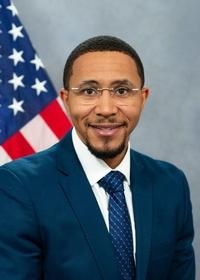
Ben Sanchez
85% support rate
Top opponent
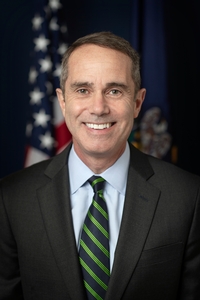
Steve Santarsiero
0% support rate
Ranked legislators
10
5 support · 5 oppose
Key legislators

Who's moving violent crime in Pennsylvania

Legislators moving violent crime in Pennsylvania
Legislator Party Stance Support rate Decisive votes
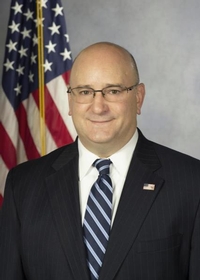
Ben Sanchez
Ben Sanchez House · District 153
D
Strong +
85% 13
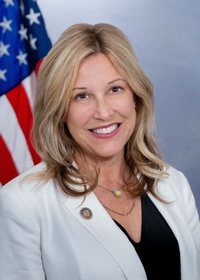
Melissa Shusterman
Melissa Shusterman House · District 157
D
Strong +
83% 12
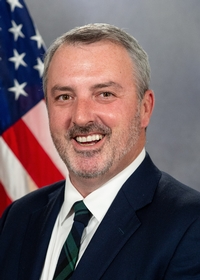
Kyle Donahue
Kyle Donahue House · District 113
D
Strong +
82% 11
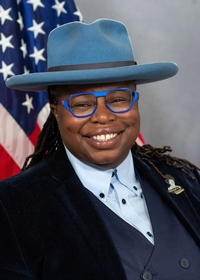
La'Tasha Mayes
La'Tasha Mayes House · District 24
D
Strong +
82% 11
Aerion Abney
Aerion Abney House · District 19
D
Strong +
80% 10
Steve Santarsiero
Steve Santarsiero Senate · District 10
D
Strong −
0% 11
Nick Pisciottano
Nick Pisciottano Senate · District 45
D
Strong −
0% 4
Clint Owlett
Clint Owlett House · District 68
R
Strong −
14% 7
Kate Klunk
Kate Klunk House · District 169
R
Strong −
17% 12
Rob Kauffman
Rob Kauffman House · District 89
R
Strong −
17% 12
Showing 11–20 of 20 bills

All criminal justice bills

in committee · Pennsylvania · House Jan 14, 2025

HB 56: An Act amending Title 18 (Crimes and Offenses) of the Pennsylvania Consolidated Statutes, in assault, further providing for the offense of terroristic threats.

HB 56 amends Pennsylvania's terroristic threats law (Title 18, §2706) to increase penalties for certain threats. It reclassifies specific terroristic threats as felonies of the third degree instead of misdemeanors if they cause diversion from normal operations (e.g., in buildings or public transit) or target protected locations like schools, churches, government buildings, or community centers. The bill directly affects individuals who make threats against these specific places or disrupt public activities. The key change is upgrading the offense severity for threats against vulnerable locations or causing operational disruptions, without altering the basic definition of terroristic threats.
Sub-Topics Violent Crime
in committee · Pennsylvania · House Feb 12, 2025

HB 599: An Act amending Title 18 (Crimes and Offenses) of the Pennsylvania Consolidated Statutes, in assault, providing for the offense of masked intimidation; and imposing penalties.

HB 599 would create a new crime called "masked intimidation" in Pennsylvania, making it illegal for someone to wear a facial covering while intentionally threatening or intimidating another person or group with the goal of causing them to fear for their physical safety. The offense would be punishable as a misdemeanor of the third degree, but the law includes specific exceptions for common uses of facial coverings, such as religious attire, safety gear during weather or sports, holiday costumes, or preventing illness spread. The bill also explicitly states it does not infringe on First Amendment rights and defines key terms like "facial covering" and "intimidate" to clarify the law's scope.
Sub-Topics Violent Crime
in committee · Pennsylvania · House Apr 17, 2025

HB 1236: An Act amending Titles 18 (Crimes and Offenses), 30 (Fish), 34 (Game) and 42 (Judiciary and Judicial Procedure) of the Pennsylvania Consolidated Statutes, in assault, further providing for the offense of assault of law enforcement officer; and making editorial changes.

HB 1236 strengthens penalties for assaulting law enforcement officers and hospital security officers in Pennsylvania. It creates three felony levels: a first-degree felony for discharging a firearm at such officers during duty, a third-degree felony for intentionally causing contact with bodily fluids (blood, seminal fluid, etc.), and a second-degree felony if the perpetrator knew the fluids came from someone with a reportable communicable disease that could be transmitted via the method used. These provisions apply when the perpetrator knows the victim is a law enforcement officer or hospital security officer on duty. The bill also updates sentencing guidelines to classify these assaults as "crimes of violence" under Pennsylvania law.
in committee · Pennsylvania · House Apr 28, 2025

HB 1324: An Act amending Title 18 (Crimes and Offenses) of the Pennsylvania Consolidated Statutes, in assault, providing for the offense of bullying.

HB 1324 creates a new criminal offense for bullying in Pennsylvania, defined as committing specific crimes (like assault or property damage) with the intent to harass, intimidate, or cause fear. It directly affects individuals who commit these acts with bullying intent, classifying the offense as a misdemeanor (typically third-degree for minor crimes, or one degree higher for more serious offenses). Sentencing enhancements for severe cases are directed to the Pennsylvania Commission on Sentencing. The bill excludes labor disputes and constitutionally protected activities from coverage. The law takes effect 60 days after enactment.
passed · Pennsylvania · Senate Apr 3, 2025

SB 92: An Act amending Title 18 (Crimes and Offenses) of the Pennsylvania Consolidated Statutes, in criminal homicide, further providing for the offense of drug delivery resulting in death; and imposing a penalty.

SB 92 amends Pennsylvania law to strengthen penalties for individuals whose drug distribution causes a death. It establishes a minimum 10-year prison sentence and a fine (equal to the value of illegal proceeds) for repeat drug distributors convicted under this law who had two prior drug-related convictions and received significant payment for distributing drugs. The bill does not apply if the victim was under 13 years old or if the distributor and victim used drugs together. This law directly affects drug distributors convicted of causing a death through their illegal activity, with stricter penalties for those with prior offenses.
in committee · Pennsylvania · House Feb 20, 2025

HB 641: An Act amending Titles 42 (Judiciary and Judicial Procedure) and 61 (Prisons and Parole) of the Pennsylvania Consolidated Statutes, in sentencing, further providing for sentences for second and subsequent offenses; and, in Pennsylvania Board of Probation and Parole, further providing for parole power.

HB 641 requires individuals convicted of a "crime of violence" (as defined in the bill) and sentenced under Pennsylvania's second or subsequent offense provisions to serve 70% of their maximum sentence before becoming eligible for parole. This applies to serious offenses including murder, aggravated assault, sexual assault, robbery, and drug-related crimes resulting in death. The bill does not change the actual sentence length but modifies parole eligibility for repeat offenders in these categories. It affects only those convicted of specific violent crimes under the defined second or subsequent offense rules.
in committee · Pennsylvania · House Jul 3, 2025

HB 1698: An Act amending Title 18 (Crimes and Offenses) of the Pennsylvania Consolidated Statutes, in assault, further providing for the offense of terrorism.

HB 1698 amends Pennsylvania's terrorism statute (Title 18, Section 2717) to increase sentencing for terrorism-related assaults. Specifically, it raises the maximum prison term for individuals convicted of terrorism when the underlying violent offense is a first-degree felony from 40 years to life imprisonment, while maintaining a $100,000 maximum fine. This change directly affects defendants convicted under this terrorism provision who commit first-degree felony assaults. The bill modifies existing sentencing guidelines without creating new offenses or expanding the definition of terrorism. It will take effect 60 days after enactment.
in committee · Pennsylvania · Senate Jul 31, 2025

SB 913: An Act amending Title 42 (Judiciary and Judicial Procedure) of the Pennsylvania Consolidated Statutes, in sentencing, providing for sentencing for offenses committed while engaged in riots.

This bill amends Pennsylvania's sentencing guidelines to increase penalties for specific offenses committed during riots. It requires the Pennsylvania Commission on Sentencing to create enhanced penalties for crimes like simple assault, aggravated assault, burglary, and criminal trespass when these occur while violating riot laws (18 Pa.C.S. § 5501). The key mechanism is adding a sentencing enhancement factor for such circumstances, modifying the standard penalty ranges for these offenses. The bill directly affects individuals convicted of these specific crimes during riot-related incidents.
in committee · Pennsylvania · House Feb 20, 2025

HB 648: An Act amending Title 18 (Crimes and Offenses) of the Pennsylvania Consolidated Statutes, in criminal homicide, further providing for the offense of drug delivery resulting in death.

HB 648 creates a new first-degree felony offense for intentionally delivering a controlled substance (in violation of Pennsylvania's drug laws) that results in another person's death. The bill explicitly removes defenses that the victim voluntarily used the drug or used it with other substances, such as alcohol or additional drugs. This law directly affects drug sellers, distributors, or those who illegally provide controlled substances leading to a fatal overdose. It changes the legal standard by making such deaths prosecutable without the previous defenses that could have been raised in court.
passed · Pennsylvania · Senate Apr 3, 2025

SB 96: An Act amending Title 18 (Crimes and Offenses) of the Pennsylvania Consolidated Statutes, in assault, further providing for the offense of terroristic threats.

SB 96 amends Pennsylvania's assault laws to clarify and strengthen penalties for "terroristic threats," specifically targeting threats that cause fear or disrupt public spaces. It directly affects schools, universities, and public facilities by requiring convicted offenders to pay restitution covering actual emergency response costs, including fire/police services, unused food, and staff wages during evacuations. The law specifies that threats causing school/university disruptions or targeting educational institutions carry felony penalties, while other threats are misdemeanors. This policy change shifts focus from solely punishing the threat to compensating communities for real costs incurred during responses.
Showing 11 to 20 of 20 bills