Issue · Budget & Taxes

Budget & Taxes

Every budget & taxes bill, vote, and legislator stance in Pennsylvania, automatically classified by Maddy, our AI policy reader.

Total bills
655
2025-2026 Regular Session
Top supporter
Camera Bartolotta
94% support rate
Top opponent
Katie Muth
23% support rate
Ranked legislators
10
5 support · 5 oppose
Key legislators

Who's moving budget & taxes in Pennsylvania

Legislators moving budget & taxes in Pennsylvania
Legislator Party Stance Support rate Votes
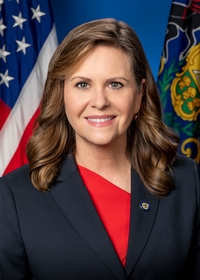
Camera Bartolotta
Camera Bartolotta Senate · District 46
R
Strong +
94% 74
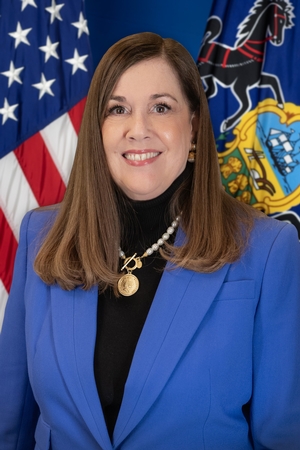
Lisa Baker
Lisa Baker Senate · District 20
R
Strong +
93% 61
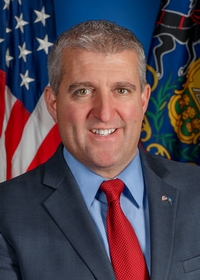
Joe Picozzi
Joe Picozzi Senate · District 5
R
Strong +
92% 83
Frank Farry
Frank Farry Senate · District 6
R
Strong +
92% 67
Dave Argall
Dave Argall Senate · District 29
R
Strong +
91% 80
Katie Muth
Katie Muth Senate · District 44
D
Oppose
23% 74
Art Haywood
Art Haywood Senate · District 4
D
Oppose
29% 83
Lindsey Williams
Lindsey Williams Senate · District 38
D
Oppose
30% 74
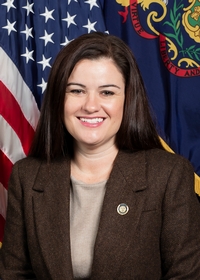
Charity Krupa
Charity Krupa House · District 51
R
Oppose
31% 292
Steve Santarsiero
Steve Santarsiero Senate · District 10
D
Oppose
32% 68
Showing 111–120 of 655 bills

All budget & taxes bills

in committee · Pennsylvania · House Apr 27, 2026

HB 2454: An Act amending the act of March 4, 1971 (P.L.6, No.2), known as the Tax Reform Code of 1971, in sales and use tax, further providing for exclusions from tax.

This Pennsylvania bill creates a temporary tax exemption for the sale and use of flags, flag poles, and related accessories. The exclusion applies only to individual buyers purchasing these items for personal, non-business purposes during a six-month window starting on July 1, 2026. The law defines a purchaser as someone who places an order and pays by cash or credit within that six-month period, even if the item is delivered later. The Department of Revenue will publish online guidance to help the public understand how to claim this exemption.
in committee · Pennsylvania · House Apr 27, 2026

HB 2439: An Act amending Title 51 (Military Affairs) of the Pennsylvania Consolidated Statutes, in veterans' organizations, further providing for grants to veterans' service officer programs.

This bill updates Pennsylvania laws to clarify how state grants are distributed to veterans' service officer programs. It requires designated organizations to submit detailed annual reports on their activities, budgets, and financial audits to state officials and legislative committees. The legislation also establishes rules for calculating grant amounts based on submitted spending plans and past performance, ensuring funds are prorated if the total budget is insufficient. These changes are designed to improve transparency and accountability for how veterans' service groups use public funding.
in committee · Pennsylvania · Senate Jun 3, 2026

SB 1232: An Act to provide appropriations from the General Fund for the expenses of certain agencies of the Executive Department for the fiscal year July 1, 2026, to June 30, 2027, and for the payment of bills incurred and remaining unpaid at the close of the fiscal year ending June 30, 2026.

SB 1232 allocates state funds from the General Budget to various executive agencies for the fiscal year running from July 1, 2026, to June 30, 2027. The bill specifically authorizes spending on employee salaries, travel, contracted services, supplies, equipment, and other operational costs necessary for government functions. It also includes provisions to pay off bills that were incurred but not yet paid by the end of the previous fiscal year. Additionally, the legislation states that any remaining unspent money from these allocations will automatically expire at the end of the fiscal year.
passed · Pennsylvania · House Jun 26, 2026

HB 2550: An Act amending the act of March 4, 1971 (P.L.6, No.2), known as the Tax Reform Code of 1971, providing for Small Business Health Care Premiums Contribution Tax Credit.

This bill creates a new tax credit for small businesses in Pennsylvania that help employees pay for health insurance purchased through the state exchange. To qualify, a business must have 50 or fewer employees and make contributions toward health reimbursement arrangements for their workers. The credit is calculated based on the first $1,000 of contributions per employee and can be applied to reduce the business's state tax liability. Companies claiming the credit must submit detailed forms to the Department of Revenue listing employee information and insurance provider details.
Sub-Topics Business Taxes Tax Credits Insurance Tags Small Business
in committee · Pennsylvania · House Jun 8, 2026

HB 2245: An Act amending the act of March 4, 1971 (P.L.6, No.2), known as the Tax Reform Code of 1971, in sales and use tax, further providing for exclusions from tax.

This bill amends Pennsylvania's Tax Reform Code to exclude gun safes and gun locks from sales and use taxes. It directly affects retailers selling these security devices and consumers purchasing them for firearm storage. The legislation defines a gun safe as a self-contained enclosure with locking mechanisms that prevent unauthorized access, while explicitly excluding gun cabinets from the tax exemption. The changes will take effect 60 days after the bill is enacted.
in committee · Pennsylvania · House May 27, 2026

HB 2536: An Act amending the act of March 4, 1971 (P.L.6, No.2), known as the Tax Reform Code of 1971, in tax credit and tax benefit administration, further providing for definitions; and providing for direct support professionals tax credit.

This bill creates a new tax credit for individuals employed as direct support professionals who assist people with developmental or intellectual disabilities. To qualify, workers must have an adjusted gross income of less than $100,000 and can claim a credit of up to $1,000 against their state taxes, with any unused portion refunded as cash. The program is limited to a total of $2 million per fiscal year and will be available from 2026 through 2030.
Sub-Topics Income Tax Tax Credits
in committee · Pennsylvania · House Apr 13, 2026

HB 2367: An Act amending the act of February 9, 1999 (P.L.1, No.1), known as the Capital Facilities Debt Enabling Act, in capital facilities, further providing for definitions and repealing provisions relating to appropriation for and limitation on redevelopment assistance capital projects.

This bill updates Pennsylvania's Capital Facilities Debt Enabling Act to clarify what counts as a redevelopment assistance capital project and removes a spending cap on housing construction. It defines these projects as those that generate economic activity, have regional impact, and include at least 50% non-state funding, while explicitly excluding highways, bridges, and waste or water facilities. Additionally, the legislation repeals a specific provision that previously limited the use of funds for building housing units to $50 million. These changes aim to provide clearer guidelines for borrowing money to fund large-scale community and economic development initiatives.
in committee · Pennsylvania · House Jun 8, 2026

HB 2468: An Act amending the act of April 9, 1929 (P.L.343, No.176), known as The Fiscal Code, in Agriculture Innovation Grant Program, further providing for funding.

This bill directs the Pennsylvania Department of Agriculture to receive a minimum of $19 million in state funding for the 2026-2027 fiscal year. The money is designated for the Agriculture Innovation Grant Program, which supports projects aimed at advancing agricultural practices and technologies. By amending the state's Fiscal Code, the legislation ensures this specific funding source is established and available to the department.
in committee · Pennsylvania · House May 27, 2026

HB 2538: An Act amending the act of March 4, 1971 (P.L.6, No.2), known as the Tax Reform Code of 1971, in sales and use tax, further providing for exclusions from tax.

This bill proposes a temporary sales tax exemption for individuals purchasing gardening supplies in Pennsylvania. It directly affects residents buying items such as tools, seeds, plants, and flowers for personal, non-business use. The exemption applies only during a six-month window starting from the bill's effective date, which is set for July 1, 2026. Purchasers must pay for these items by cash or credit within that six-month period, even if the delivery arrives later. The Department of Revenue will be required to publish online guidance to help consumers understand how to claim this temporary exclusion.
in committee · Pennsylvania · Senate Jun 3, 2026

SB 1220: An Act to provide appropriations from the General Fund for the expenses of the Executive, Legislative and Judicial Departments of the Commonwealth, the public debt and the public schools for the fiscal year July 1, 2026, to June 30, 2027, and for the payment of bills incurred and remaining unpaid at the close of the fiscal year ending June 30, 2026; to provide appropriations from special funds and accounts to the Executive and Judicial Departments for the fiscal year July 1, 2026, to June 30, 2027, and for the payment of bills remaining unpaid at the close of the fiscal year ending June 30, 2026; to provide for the appropriation of Federal funds to the Executive and Judicial Departments for the fiscal year July 1, 2026, to June 30, 2027, and for the payment of bills remaining unpaid at the close of the fiscal year ending June 30, 2026.

This Pennsylvania state bill authorizes funding for the fiscal year 2026-2027 for the executive, legislative, and judicial branches, public schools, and state debt. It allocates money from the General Fund, special funds, and federal sources to cover operational expenses and pay outstanding bills from the previous fiscal year. The legislation details specific budget amounts for various state departments, including education, health, transportation, and the courts.
Showing 111 to 120 of 655 bills
Previous 1 11 12 13 66 Next