Issue · Healthcare

Healthcare

Every healthcare bill, vote, and legislator stance in Oregon, automatically classified by Maddy, our AI policy reader.

Total bills
15
119th Congress
Top supporter
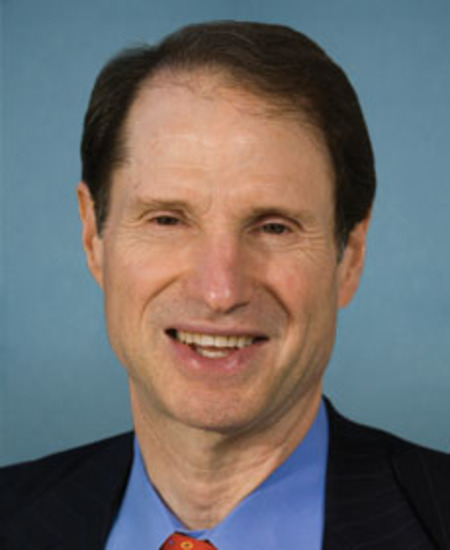
Ron Wyden
76% support rate
Top opponent
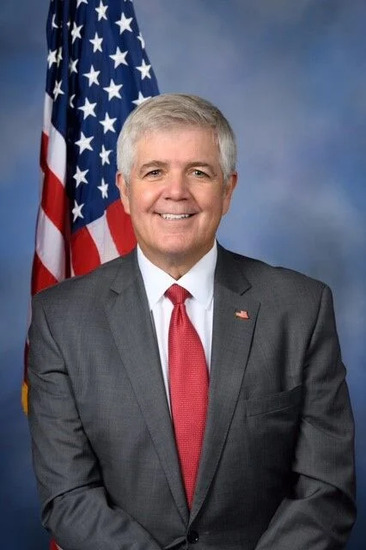
Cliff Bentz
39% support rate
Ranked legislators
6
5 support · 1 oppose
Key legislators

Who's moving healthcare in Oregon

Legislators moving healthcare in Oregon
Legislator Party Stance Support rate Votes
Ron Wyden
Ron Wyden Senate
D
Support
76% 223
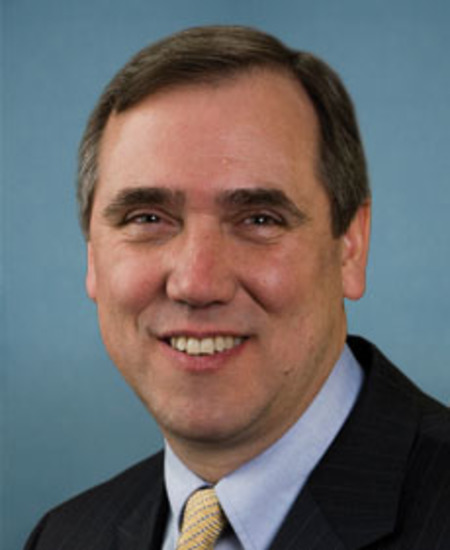
Jeff Merkley
Jeff Merkley Senate
D
Support
76% 223
Maxine Dexter
Maxine Dexter House · District 3
D
Support
67% 209
Suzanne Bonamici
Suzanne Bonamici House · District 1
D
Support
61% 210
Val T. Hoyle
Val T. Hoyle House · District 4
D
Support
61% 208
Cliff Bentz
Cliff Bentz House · District 2
R
Oppose
39% 211
Showing 1–10 of 15 bills

All healthcare bills

in committee · United States · Senate Jul 15, 2026

S 4997: Nitrous Oxide Inhalation Prevention Act

The Nitrous Oxide Inhalation Prevention Act establishes new federal regulations to curb the misuse of nitrous oxide while allowing its continued use for legitimate medical, industrial, and automotive purposes. Key provisions include banning flavored products and limiting food-use canisters to 8 grams, alongside strict rules that prohibit packaging with bright colors or cartoon characters and require prominent warning labels on every cartridge. The bill also imposes age restrictions by setting a minimum purchase age of 21, mandates that retailers verify identification and limit sales hours, and restricts wholesalers from selling directly to individual consumers. To support harm reduction efforts, the legislation authorizes funding for grants aimed at education, prevention programs, and training for law enforcement and medical professionals. Non-compliance with these new requirements can result in civil monetary penalties for manufacturers and distributors, or escalating fines and potential sales bans for retailers.
in committee · United States · Senate Jul 16, 2026

SJRES 198: A joint resolution providing for congressional disapproval under chapter 8 of title 5, United States Code, of the rule submitted by the Centers for Medicare & Medicaid Services of the Department of Health and Human Services relating to "Medicare Program; Implementation of Prior Authorization for Select Services for the Wasteful and Inappropriate Services Reduction (WISeR) Model".

This joint resolution seeks to officially disapprove a specific rule issued by the Centers for Medicare & Medicaid Services regarding the implementation of prior authorization for certain Medicare services. The proposed action would prevent the rule, known as the WISeR Model, from taking effect, thereby stopping the new requirements from being enforced. If passed, the resolution would nullify the regulation and maintain the status quo for the affected healthcare services.
Sub-Topics Medicaid Medicare
in committee · United States · Senate Jul 14, 2026

SJRES 197: A joint resolution providing for congressional disapproval under chapter 8 of title 5, United States Code, of the rule submitted by the Centers for Medicare & Medicaid Services of the Department of Health and Human Services relating to "Patient Protection and Affordable Care Act, HHS Notice of Benefit and Payment Parameters for 2027; and Basic Health Program".

This joint resolution seeks to formally disapprove a specific rule issued by the Centers for Medicare & Medicaid Services regarding the Affordable Care Act and the Basic Health Program for 2027. If passed, the measure would nullify the rule, preventing it from taking legal effect. The bill directly impacts the administration of healthcare benefits and payment parameters for the upcoming year. It is sponsored by a group of Democratic senators and is intended to halt the implementation of the agency's proposed changes.
Sub-Topics Medicaid Medicare
in committee · United States · Senate Jun 9, 2026

SJRES 192: A joint resolution providing for congressional disapproval under chapter 8 of title 5, United States Code, of the rule submitted by the Centers for Medicare & Medicaid Services of the Department of Health and Human Services relating to "Medicare Program; Implementation of Prior Authorization for Select Services for the Wasteful and Inappropriate Services Reduction (WISeR) Model".

This joint resolution seeks to reject a specific federal rule issued by the Centers for Medicare & Medicaid Services regarding the WISeR Model, which was designed to reduce wasteful spending by requiring prior authorization for select Medicare services. If passed, the measure would legally nullify the rule, preventing the Centers for Medicare & Medicaid Services from enforcing the new prior authorization requirements on healthcare providers. The bill directly affects Medicare beneficiaries and medical facilities that would otherwise have to comply with these administrative changes. By invoking the Congressional Review Act, the legislation aims to stop the implementation of the policy without altering the underlying statute governing Medicare.
Sub-Topics Medicaid Medicare
in committee · United States · Senate Mar 12, 2026

S 4085: Take Back Our Hospitals Act of 2026

This bill, titled the Take Back Our Hospitals Act of 2026, would prohibit Medicare from paying hospitals and skilled nursing facilities owned or controlled by private equity funds, real estate investment trusts, or corporations owned by private equity funds. The law defines ownership control as holding 10 percent or more of voting securities and includes provisions for a three-year transition period for existing facilities before the ban takes full effect. Facilities found in violation would face penalties, and the owning firms would be held jointly and severally liable for those penalties. The measure aims to restrict investment by specific financial entities in healthcare facilities that receive Medicare funding.
in committee · United States · House Jun 5, 2025

HR 3708: No Place for LGBTQ+ Hate Act

HR 3708, the "No Place for LGBTQ+ Hate Act," repeals five specific executive orders targeting LGBTQ+ rights and blocks federal funding for their implementation. It directly affects transgender, nonbinary, intersex, and gender-nonconforming individuals by reversing policies that: mandated discrimination in employment/healthcare (EO 14168), reinstated a military ban (EO 14183), restricted transgender youth healthcare (EO 14187), barred transgender female students from sports (EO 14201), and required schools to deny transgender existence (EO 14190). The bill’s key mechanism prohibits federal funds from being used to enforce these orders, effectively nullifying them. This is a procedural repeal bill focused on reversing specific executive actions, not creating new laws.
in committee · United States · Senate Mar 25, 2026

SJRES 103: A joint resolution providing for congressional disapproval under chapter 8 of title 5, United States Code, of the rule submitted by the Department of Veterans Affairs relating to "Reproductive Health Services".

SJRES 103 is a congressional disapproval resolution targeting a Department of Veterans Affairs (VA) rule on reproductive health services for veterans. The resolution, if passed, would block the VA rule from taking effect by invoking the Congressional Review Act (Chapter 8 of Title 5, U.S. Code), meaning the rule published in the Federal Register (December 31, 2025) would have no legal force. This directly affects the VA’s ability to implement new guidelines for reproductive health services at its facilities, preserving existing policies instead. The resolution does not create new policy but halts a specific administrative rule.
Sub-Topics Women's Health
in committee · United States · House Jan 27, 2026

HJRES 144: Providing for congressional disapproval under chapter 8 of title 5, United States Code, of the rule submitted by the Department of Veterans Affairs relating to "Reproductive Health Services".

HJRES 144 is a congressional disapproval resolution targeting a specific rule issued by the Department of Veterans Affairs (VA) on December 31, 2025, which addressed "Reproductive Health Services" (90 Fed. Reg. 61310). This resolution directs Congress to disapprove the VA rule under Chapter 8 of Title 5, U.S. Code, meaning the rule would have no legal effect if passed. The bill directly affects the VA's implementation of reproductive health services for veterans, as it seeks to nullify the agency's existing policy. This is a procedural measure, not a substantive policy change, aimed solely at blocking the VA's rule through congressional action.
in committee · United States · House Jan 22, 2025

HR 7: No Taxpayer Funding for Abortion and Abortion Insurance Full Disclosure Act of 2025

HR 7 prohibits federal funds from being used for abortions or health insurance plans covering abortion, with exceptions for pregnancies resulting from rape, incest, or when a woman's life is endangered. It blocks federal premium tax credits under the Affordable Care Act for health plans covering abortion (except in specified cases) and requires clear disclosure of abortion coverage and related surcharges in plan materials. The bill allows individuals or employers to purchase separate abortion coverage using non-federal funds, such as out-of-pocket payments, without affecting federal subsidies. It directly affects federal health programs, ACA marketplace plans, and health insurance issuers offering coverage that includes abortion services.
in committee · United States · House Jan 22, 2025

HR 632: Protecting Life on College Campus Act of 2025

HR 632 prohibits federal funding (directly or indirectly) for colleges and universities that host or are affiliated with campus health clinics providing abortion drugs or abortions to students or employees. Institutions must annually certify to federal education and health agencies that no such services are offered at their campus sites. The bill defines "abortion drugs" broadly as any medication intended to terminate pregnancy (excluding cases for live birth, miscarriage management, or ectopic pregnancy treatment). This policy directly affects institutions receiving federal funds, requiring them to ensure campus health services comply with the prohibition to maintain eligibility.
Showing 1 to 10 of 15 bills
1 2 Next